


Nigerian Banks Secure Over N4.61 Trillion in New Capital
The Central Bank of Nigeria (CBN) has announced a significant milestone, revealing that Nigerian banks have collectively raised N4.61 trillion in new capital. Notably, nearly 27% of this total was sourced from foreign investors, ahead of the March 31 recapitalization deadline.
Recent Developments in Banking Capitalization
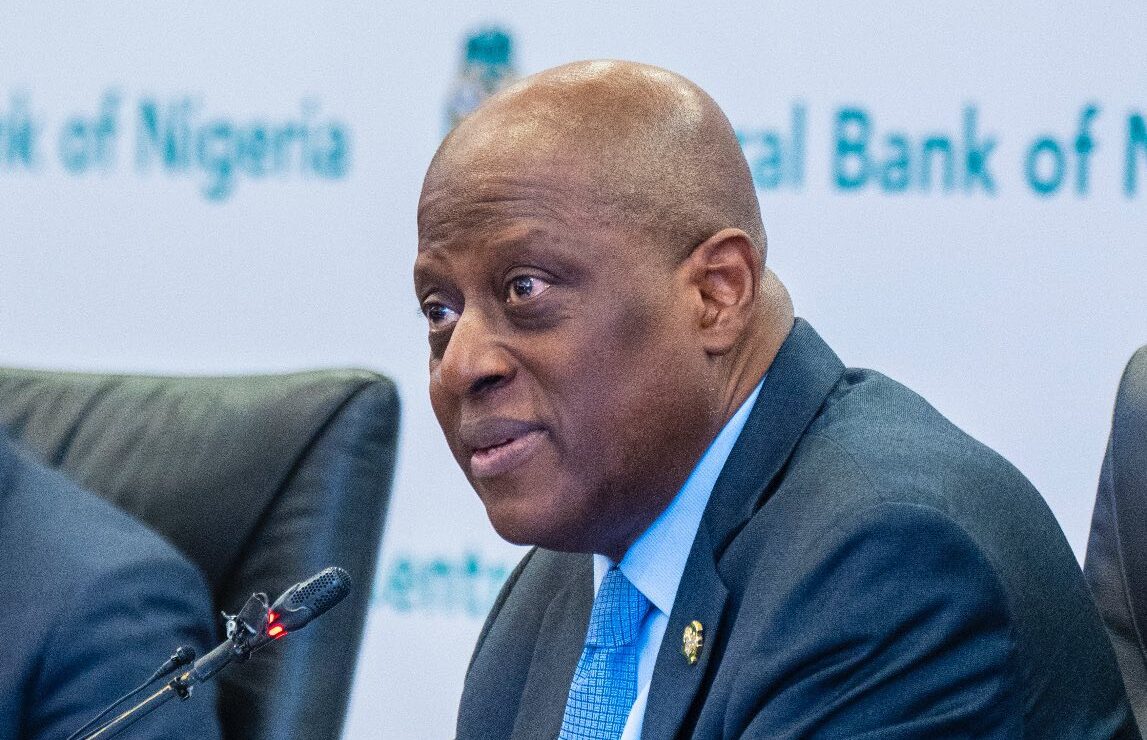
This update was shared by CBN Governor Olayemi Cardoso during the International Monetary Fund/Africa Regional Technical Assistance Center (IMF/AFRITAC) West 2 High-Level Forum on Financial Sector Regulation and Supervision held in Abuja. Earlier in the year, the CBN reported that by February, banks had raised N4.05 trillion for recapitalization efforts. By early March, 30 out of 33 banks confirmed compliance with minimum capital requirements through various mechanisms such as rights issues, initial public offerings (IPOs), and private placements.
Amendments to Recapitalization Policy
The ongoing recapitalization initiative aligns with recent amendments made to the CBN’s recapitalization policy introduced in March 2024. These amendments provide banks with a 24-month grace period, starting from April 1, 2024, until March 31, 2026, to bolster their capital bases.
Addressing Future Challenges
During the IMF/AFRITAC forum, Governor Cardoso highlighted the anticipated challenges the banking sector may face in 2024. He emphasized the necessity of a recapitalization exercise aimed at fortifying the resilience of Nigerian banks. The N4.61 trillion raised, with a substantial portion from foreign investors, is anticipated to catalyze similar reforms across the continent while facilitating market expansion in Africa.
International Cooperation Among Regulators
Mr. Cardoso also underscored the importance of a cohesive financial system and the need for cooperation among African banking regulators. He stressed that maintaining stability in the financial landscape and fostering shared prosperity should be a collective priority among regulators throughout Africa.
Adopting a Zero-Tolerance Approach to Governance Violations
The governor reiterated the CBN’s firm stance on corporate governance, asserting a zero-tolerance policy towards violations. He indicated that the CBN is committed to enhancing accountability, strengthening supervision, and elevating compliance standards across the banking sector, especially as the current regulatory forbearance period concludes.
Strengthening Credit Discipline
In addition, Governor Cardoso noted that the CBN is implementing restrictions on banking services for chronic defaulters as part of its strategy to enhance credit discipline, promote a robust repayment culture, and protect depositors. He reaffirmed the CBN’s commitment to implementing sound measures in monetary policy to restore price stability and reinforce the credibility of financial policies.
Regulating Financial Technology Innovations
Furthermore, the Governor addressed the challenges posed by emerging financial technology companies. He highlighted the CBN’s balanced approach to fostering innovation while ensuring the stability of the financial system. Cardoso urged African regulators to establish solid frameworks that can effectively address and manage emerging risks within the rapidly evolving financial landscape.
