


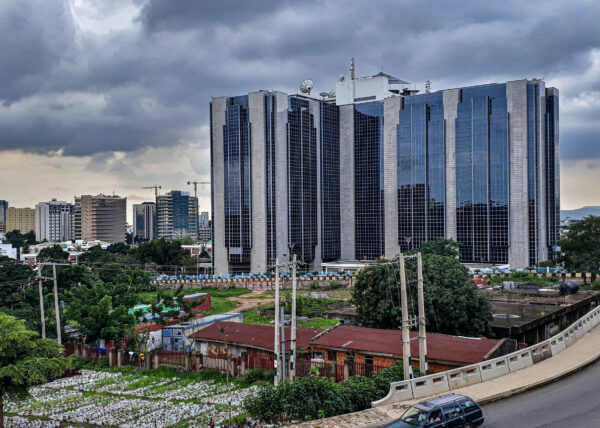
The Central Bank of Nigeria (CBN) has successfully finalized its banking sector recapitalization program, a strategic initiative designed to bolster the resilience of the financial system and enhance its capacity to support economic growth.
This significant milestone was announced on Wednesday through a joint statement by Mr. Olubukola Akinwunmi, CBN Director of Banking Supervision, and Mr. Hakama Sidi Ali, Acting Director of Corporate Communications.
In March 2024, the CBN introduced a revised recapitalization policy that offers banks a 24-month period—from April 1, 2024, to March 31, 2026—to augment their capital bases. The policy mandates that Nigerian banks achieve specified capital thresholds: NOK 500 billion for international banks, NOK 200 billion for domestic banks, and NOK 50 billion for regional banks.
According to the CBN’s announcement on Wednesday, the recapitalization program witnessed robust participation from both local and international investors, with 72.55% of the capital raised domestically and 27.45% sourced from international markets. This reflects a sustained confidence in the resilience and potential of Nigeria’s banking sector.
CBN Governor Olayemi Cardoso emphasized the positive outcomes of the recapitalization program, stating it has not only strengthened the capital bases of Nigerian banks but also enhanced the financial system’s resilience and supported economic growth. He noted that these efforts have positioned the country to better absorb both internal and external shocks.
Significant Capital Increases
The CBN confirmed that 33 banks have successfully met the revised minimum capital requirements outlined in the program, collectively raising N4.65 trillion in new capital.
The central bank also indicated that only a limited number of financial institutions are currently facing ongoing regulatory and judicial proceedings, which are being addressed through the established supervisory and legal frameworks. Additionally, all banks remain fully operational, ensuring that customers continue to have access to banking services.
Furthermore, the recapitalization has strengthened capital adequacy ratios (CARs), ensuring that the banking sector operates above the Basel international standards. The CBN clarified that the minimum CAR standard is set at 10% for regional and national banks and 15% for international banks. The efforts to recapitalize have been aligned with the phased exit from deregulation, leading to improved asset quality and enhanced transparency in balance sheets.
Strengthened Regulatory Framework
The CBN stated it has fortified its risk-based capital regulatory framework, requiring banks to engage in regular stress tests across various scenarios and maintain sufficient capital buffers. This proactive measure is intended to uphold the integrity of the financial system.
The central bank also highlighted that crucial regulatory measures, including prudential guidelines and supervision frameworks, are undergoing regular reviews to further enhance governance, risk management, and overall sector resilience. It clarified that the recapitalization program was executed without service interruptions, ensuring uninterrupted access for individuals and businesses throughout the process.
With the successful conclusion of this program, the CBN is setting the groundwork for a more robust and resilient banking system, capable of supporting increased lending, mobilizing savings, and withstanding both domestic and global economic shocks. The central bank remains dedicated to upholding a stable and transparent financial system that fosters trust among depositors, investors, and the public while enhancing the sustainability of Nigeria’s financial ecosystem.
