


European Energy Regulators Seek Alternative Gas Suppliers
European energy regulators are urgently searching for alternative gas suppliers in the wake of a strike at Qatar Energy’s Ras Laffan facility, which prompted the company to declare force majeure on liquefied natural gas contracts with Belgium, Italy, and Poland. This development places immense pressure on European nations as they scramble to secure energy supplies.
Nigeria Emerges as a Key Player in the Energy Landscape
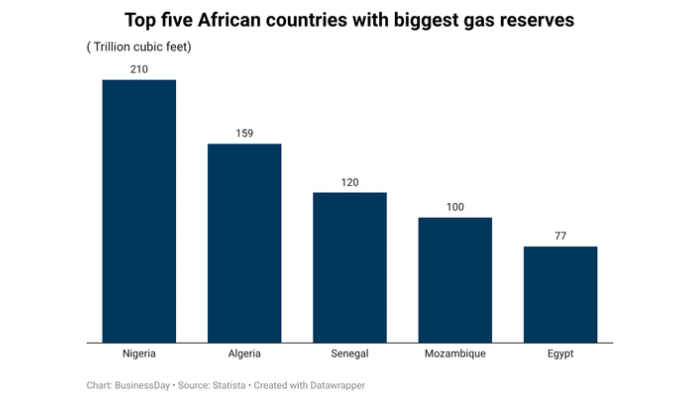
With Africa holding the largest confirmed gas reserves, Nigeria frequently tops the list of potential suppliers. The nation’s strategic geographic position offers a significant advantage, especially as the Atlantic shipping routes remain unaffected by the ongoing instability in the Strait of Hormuz. However, transforming these resources from potential into actual shipments poses challenges that extend beyond mere numbers on a spreadsheet.
Diplomatic Efforts to Leverage Nigeria’s Gas Resources
In recent weeks, ambassadors from various European nations have discreetly engaged with Nigerian officials to explore how the country’s substantial gas reserves—estimated at over 600 trillion cubic feet—can help address the looming supply deficit. The urgency of these discussions cannot be overstated, as Europe seeks to secure its energy future amid escalating geopolitical tensions.
Challenges in Nigerian LNG Infrastructure
While Nigeria is keen to capitalize on this opportunity, it faces significant hurdles in infrastructure development necessary for large-scale gas exports. Ayodele Oni, a partner at Bloomfield LP, highlights that although Nigeria possesses both the resources and political resolve to increase gas exports, immediate challenges such as inadequate infrastructure and regulatory inconsistencies remain. The Federal Government is actively working to attract investment and has proposed the ambitious Trans-Saharan Gas Pipeline project, which is projected to facilitate the transport of 30 billion cubic meters of gas per year to Europe.
The Urgency of European Supply Issues
The scale of Europe’s energy crisis is escalating rapidly. Approximately 20 percent of global LNG flows now face heightened geopolitical risks since Iranian authorities imposed movements through the Strait of Hormuz. As a result, Asian buyers have begun paying as much as $3 per British thermal unit above European prices, diverting flexible LNG cargoes from the Atlantic to the East, further complicating Europe’s supply situation.
Nigeria’s Geographical Edge as an Alternative Supplier
Nigeria’s geographical location enhances its appeal as a reliable energy supplier. LNG cargoes originating from Nigeria typically reach European ports in about ten days, avoiding the strategic choke points that plague Persian Gulf exporters. Olalekan Ogunleye, executive vice president of the Nigerian National Oil Company (NNPC), recently noted at CERAWeek in Houston that Nigeria’s proximity to both Europe and Asia, combined with its vast natural gas reserves, presents substantial commercial opportunities.
Addressing Historical Obstacles to LNG Expansion
Despite its potential, Nigeria has historically struggled to translate ambition into effective execution. Key LNG projects like Orokola and Brass LNG have faced significant setbacks, stalling the expansion of Nigeria’s gas infrastructure amid withdrawals from major industry players. Austin Awuru, chairman of AA Holdings, emphasizes the need for coherent policies that drive investment in domestic gas production. Although the Nigerian government declared a 10-year gas supply plan in 2021, the necessary investments to activate this potential have not progressed sufficiently.
Challenges Ahead for Nigeria’s Gas Sector
While steps have been made to enhance the investment climate through meaningful reforms like the Petroleum Industry Act 2021, achieving a sustainable alternative supply for Europe will require more than policy changes. It demands rapid infrastructure financing, effective resolution of security issues, and alignment of gas development with broader energy goals. Industry experts like Oni caution that without coordinated efforts and commitment from both the Nigerian government and international partners, Nigeria’s role as a decisive swing supplier will remain a complex and long-term challenge.
