


New Bond Fund Launched to Boost Nigeria’s Off-Grid Renewable Energy Sector
A coalition of key players in development finance recently gathered in Lagos to announce a new bond fund aimed at channeling long-term capital into Nigeria’s off-grid renewable energy sector. This initiative seeks to overcome the challenges of attracting patient investment from traditional financial institutions, which have historically been hesitant to engage in this space.
Introducing the Renewable Energy Blending Facility
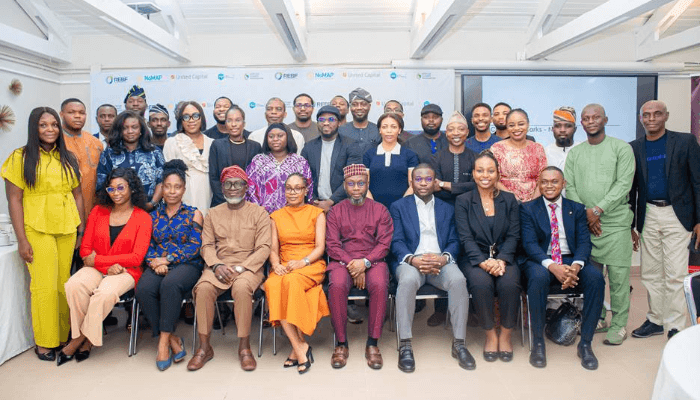
The Renewable Energy Blending Facility (REBF) is a $20 million impact fund spearheaded by Nigeria’s Off-Grid Market Acceleration Program (NoMAP), in conjunction with SNV Netherlands Development Agency and United Capital. This initiative was formally unveiled during a three-day dialogue hosted at the Nordic Hotel on Victoria Island, where project developers, mini-grid operators, and potential funders convened to outline the fund’s workings and identify the types of projects it will prioritize.
Structure and Financing Options of the Fund
Designed as a development impact debt instrument, the fund aggregates concessional and commercial capital to provide financing that traditional banks typically would not offer. Loans will range from $500,000 to $1.5 million per project, with repayment terms extending up to ten years—terms that greatly surpass those usually available from commercial lenders operating in rural and peri-urban Nigeria.
Addressing Nigeria’s Energy Access Gap
The REBF team emphasized the necessity of mobilizing both concessional and commercial capital to close Nigeria’s energy access gap. They aim to create a robust pipeline of projects that can independently attract private investment in the future.
Capital Flow Mechanisms and Sector Coverage
Funds will flow through two primary channels: direct financing to project sponsors and other value chain actors, and on-lending arrangements through mini-grid developers. These developers will provide financing solutions to their customers. The facility will support a variety of sectors, including agriculture, light industry, climate-smart infrastructure, e-mobility, and consumer electronics—essentially any business utilizing distributed renewable energy and operating in rural or semi-urban areas.
Learning from Pilot Programs
The launch of the REBF builds on insights gained from two small-scale pilot programs conducted by NoMAP between 2022 and 2024. The Productive Use of Energy Pilot and the Agricultural Integration Facility Pilot disbursed $150,000 to four solar mini-grid developers, facilitating the deployment of 202 energy devices in 22 communities across three states and directing 40 percent of their assets towards women-led businesses. While modest in scale, these pilots provided valuable data, demonstrating the model’s potential effectiveness to program sponsors.
Future Goals and Funding Strategy
When fully operational, the REBF aims to reach over 202,000 beneficiaries of energy access, support more than 1,650 smallholder farmers, and serve upwards of 53,000 small business owners. Additionally, the facility is expected to leverage an additional $30 million in local currency funding through partnerships, targeting a reduction in energy costs for participating companies by 40 percent, decreasing post-harvest losses by 30 to 50 percent, and preventing approximately 30,000 tons of carbon dioxide emissions each year.
Strict Criteria for Participation
While ambitious, these projections have faced skepticism, as similar impact forecasts in the development finance sector have often fallen short of reality—particularly in contexts marked by currency volatility and inadequate infrastructure. To maintain integrity, the fund has established strict screening criteria: potential borrowers must demonstrate a reliable track record, possess a secure offtake agreement or signed power purchase agreement, complete a feasibility study and financial model, and secure necessary regulatory approvals. This fund is not intended for early-stage ventures seeking initial funding.
Support and Timeline for Implementation
SNV’s Nigeria Solar Marketplace, funded by the Embassy of the Netherlands and the Netherlands Enterprise Agency, will assist the fund by aggregating deal flows and offering market intelligence to potential investors. The REBF plans to formally launch and issue its first call for proposals in the third quarter of 2026, with review and transaction evaluation expected to continue into the fourth quarter. The first disbursements are anticipated in early 2027.
