


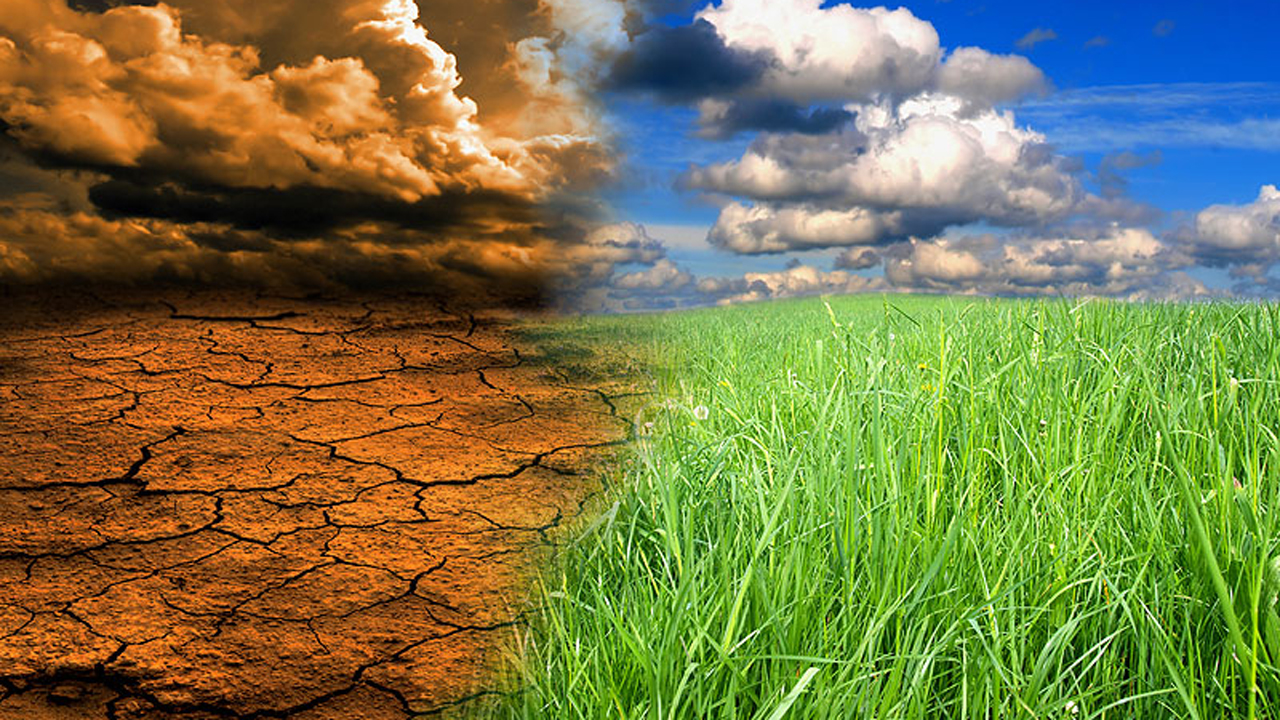
Addressing the Escalating Impact of Climate Change on Nigeria
The urgency surrounding the detrimental effects of climate change on global social, economic, and environmental systems is increasingly warranted. Countries across the globe are grappling with severe weather events, including hurricanes, sandstorms, and earthquakes, which jeopardize both lives and resources. Scientific research has established a strong correlation between elevated carbon dioxide emissions and the intensification of global warming. Given current trends in energy consumption, growing developmental demands, and an expanding global population, the anticipated effects of climate change are dire. Rising temperatures, intensified climate fluctuations, increased precipitation, and extreme weather occurrences will negatively impact public health significantly.
Future Heatwaves Threaten Urban Populations
A recent study published in the Proceedings of the National Academy of Sciences forecasts an alarming increase in life-threatening heatwaves attributable to climate change. The researchers warn that by 2050, over 350 million individuals residing in megacities will face deadly heat waves annually. Previous studies have confirmed that environmental degradation is linked to escalating health risks worldwide. The evidence suggests that high heat coupled with humidity poses severe dangers for vulnerable demographics, including infants, children, the elderly, and residents of impoverished urban or coastal regions.
Nigeria’s Vulnerability: Oil, Agriculture, and Urban Pollution
Nigeria’s economic reliance on oil and agriculture renders it particularly susceptible to the impacts of climate change. The country’s status as a major market for imported used cars, which generate significant carbon emissions, compounds its air quality issues in urban areas. Additionally, local motorcycle operators often mix engine oil into their fuel, exacerbating carbon output. Gas flaring and inefficient electricity supply further hinder environmental stability, compelling many to rely on diesel or gasoline generators. Meanwhile, rural activities such as burning forests for firewood and illegal logging intensify climate change effects.
Soil Degradation and Health Risks Increase
These practices expose soil to harsh sun conditions, depleting vital micronutrients and hindering plant growth. Mismanaged waste disposal also contributes to land degradation. Consequently, Nigeria must brace for escalating health challenges associated with climate change, even if concerted efforts worldwide succeed in limiting global warming. Alarmingly, there have already been 438 recorded deaths from heat-related meningitis.
Political Challenges in Climate Agreement Compliance
The situation is further complicated by the uncertainty surrounding global climate policies, particularly following U.S. President Donald Trump’s threats to retract commitments made in the past decade. Trump’s intention to withdraw from the Paris climate accord and eliminate funding for the United Nations Climate Fund poses additional challenges for developing nations striving to combat climate change. While President Muhammadu Buhari’s signing of the Paris Agreement is a positive step, the ratification by Nigeria’s Parliament remains critical to solidifying this commitment. Expedited congressional action on this bill is essential.
Promoting Awareness and Sustainable Practices
In light of severe climate challenges, Nigeria must prioritize public awareness regarding the realities of climate change and the significance of both mitigation and adaptation strategies. Adaptation strategies aim to minimize the adverse effects of climate challenges on both human and natural systems, while mitigation focuses on reducing greenhouse gas emissions. Essential actions include safeguarding the remaining rainforest in Cross River State and promoting sustainable energy consumption. Encouraging practices such as tree planting and the cultivation of cash crops like kola nuts and cocoa will also be beneficial.
Pathway to a Sustainable Future
To foster green growth and create a resource-efficient society, Nigeria must establish a robust legal and regulatory framework to support green job creation for young people. Accelerating optimization of the industrial structure is vital, alongside advancements in energy consumption and investment in alternative energy solutions. Promoting technological improvements in energy efficiency and recycling is essential. Additionally, revising existing incentive policies, such as the Petroleum Industry Bill (PIB), can attract necessary investments. Novel tools like energy efficiency labeling and product certification should also be developed to help guide sustainable consumption. A coordinated effort from the Federal Ministry of Environment and relevant agencies is crucial to drive these initiatives and ultimately protect the environment.
