


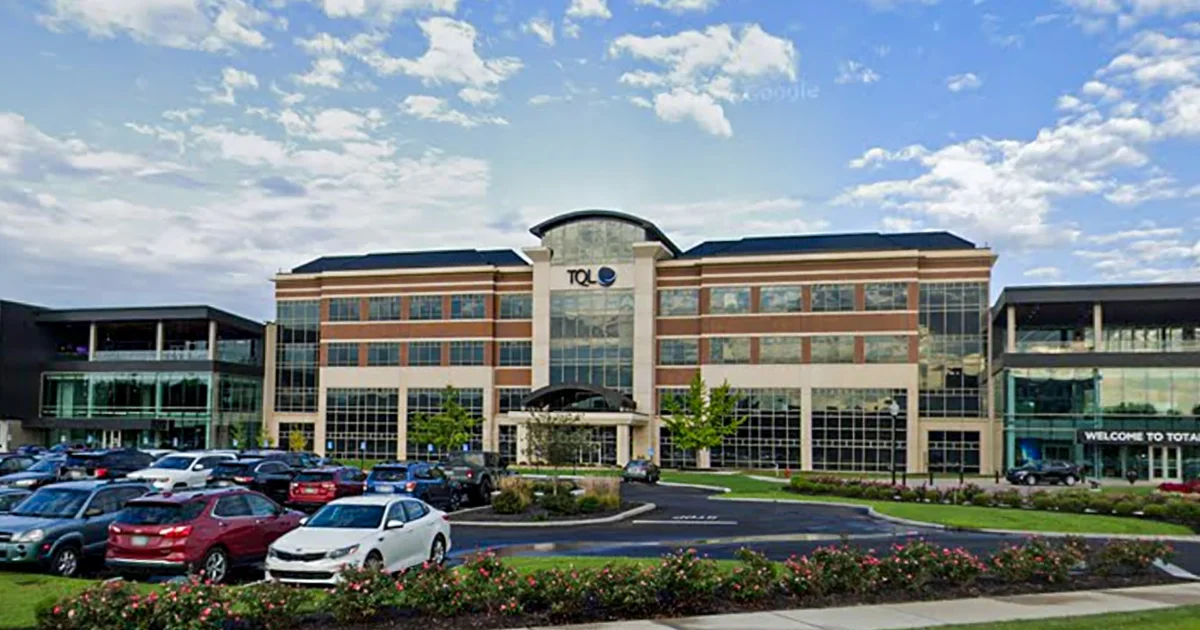
Ohio Company Found Liable for Newborn’s Death
An Ohio-based company has been ordered to pay $22.5 million in damages after a jury found it liable for the death of a newborn. The verdict underscores the legal ramifications of workplace policies that may disregard employee health needs, particularly during high-risk pregnancies.
Request for Remote Work Followed by Tragedy
The case centers on Chelsea Walsh, who requested to work from home on February 15, 2021, just four days after undergoing cervical surgery aimed at preventing a premature birth. Total Quality Logistics (TQL), the company she worked for, initially resisted this request, placing Ms. Walsh in a distressing situation.
Choice Between Income and Health
As outlined in the complaint, TQL presented her with an impossible choice: either continue working under potentially harmful conditions or take unpaid leave, jeopardizing her income and health insurance. This dilemma reflects broader concerns regarding workplace accommodations for expectant mothers, particularly during critical health situations.
Turn of Events Just Before Birth
After returning to the office on February 22, 2021, Walsh gave birth to her daughter, Magnolia, on February 24—the same day TQL managers communicated that the company had reconsidered her accommodation request, allowing her to work from home.
Heartbreaking Loss and Legal Outcome
The lawsuit revealed that Magnolia was born breathing, with a heartbeat, and was able to spend precious moments in her mother’s arms before tragically passing away about an hour and a half later. Despite the brief life of the newborn, the jury ruled in Walsh’s favor, finding TQL’s refusal to grant her a reasonable accommodation contributed to this heartbreaking outcome.
Reactions to the Verdict
Matthew C. Metzger, one of Walsh’s attorneys, expressed deep sympathy for the family, emphasizing that Walsh had been following medical advice during her high-risk pregnancy. He noted that the jury’s findings highlighted the consequences of TQL’s decision to deny her request for remote work.
Company’s Response and Future Steps
Julia Dougherty, a spokeswoman for TQL, extended her condolences to the Walsh family but stated that the company disagrees with the verdict and the manner in which the case was handled in court. She indicated that TQL is exploring legal options while reaffirming their commitment to supporting the health and well-being of their employees.
Internal Concerns Raised at TQL
The complaint further reveals that Joel Walsh, Chelsea’s husband, communicated his wife’s situation to the company’s human resources director, who had connections with TQL executives. According to the allegations, these executives acknowledged the risk of litigation due to the company’s actions, showcasing a troubling attitude towards employee welfare that could have broader implications for workplace policies.
