


Oil Prices Surge Amid U.S. Naval Blockade Announcement
Oil prices surged late Sunday following President Donald Trump’s declaration that the United States would close the Strait of Hormuz after unsuccessful peace negotiations with Iran. The U.S. benchmark crude saw an increase of 8%, climbing to over $104 per barrel, while international Brent crude rose more than 7%, reaching $103 per barrel. Additionally, wholesale gasoline prices jumped by 6%, and heating oil, often used as a proxy for jet fuel prices, increased by 10% during early trading.
Market Reactions and Stock Futures Decline
In reaction to the announcement, stock futures experienced a significant drop. S&P 500 futures fell by 1%, Nasdaq 100 futures declined 1.3%, and Dow futures plummeted over 500 points. This volatility underscores the precarious state of the market as investors grapple with geopolitical tensions and potential supply disruptions.
Details of the U.S. Naval Strategy
On Truth Social, President Trump stated, “Effective immediately, the United States Navy, the best in the world, will begin the process of blockading any ships attempting to enter or exit the Strait of Hormuz.” He further directed the Navy to search and interdict any vessels in international waters that jeopardize U.S. interests.
The Strategic Importance of the Strait of Hormuz
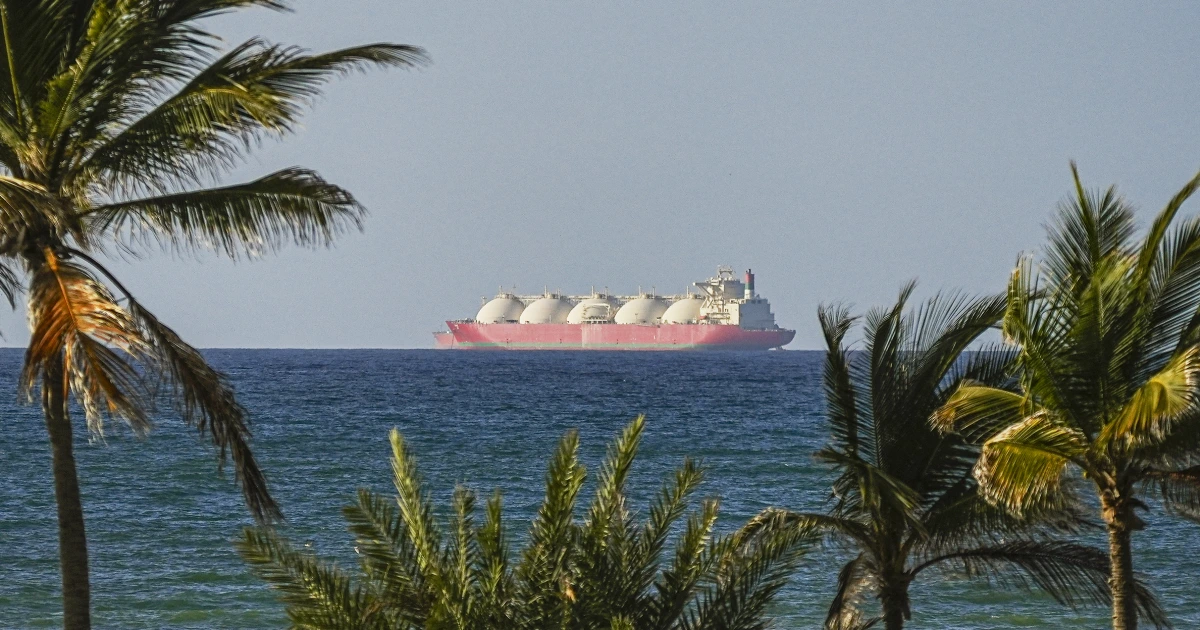
The Strait of Hormuz serves as a critical conduit for energy products, including oil and liquefied natural gas. Before the outbreak of hostilities on February 28, an average of hundreds of ships navigated this vital waterway each day, transporting energy resources to global markets. However, since the conflict commenced, fewer than ten ships have managed to traverse the strait daily.
Market Analysts Express Concerns
According to commodity analysts from JPMorgan Chase & Co., the reopening of this waterway is now a pressing priority for the markets. They predict that the last tanker to pass through Hormuz on February 28 is anticipated to reach its destination around April 20, marking a potential depletion of pre-supply shutdown barrels from the global supply chain.
Impact of Ongoing Tensions
Last week, only 24 ships managed to navigate through the strait into open waters, with just two vessels making the journey on Friday, as indicated by S&P Global Market Intelligence. There were no oil or gas tankers among them. The lack of a conclusive agreement to end hostilities, coupled with the looming threat of a blockade, has dampened market optimism for a swift resolution to the conflict.
Forecasts for Consumer Gas Prices
The rise in oil prices is likely to lead to increased costs for consumers. AAA reports that gasoline prices have soared by over $1.20 per gallon since the inception of the conflict, elevating the national average to $4.12. Iran’s parliamentary speaker remarked on X that the temporary “lockdown” would soon evoke nostalgia for the current gas prices.
Clarification from U.S. Central Command
In a follow-up to Trump’s announcement, U.S. Central Command clarified that the blockade would primarily affect “maritime traffic to and from Iranian ports.” They stated that the military would not hinder the freedom of navigation for vessels heading to and from non-Iranian ports. The blockade is set to commence at 10 a.m. ET on Monday, contrary to Trump’s earlier comments suggesting an immediate implementation.
Analysts Weigh In on Future Implications
Market strategist Elias Haddad from Brown Brothers Harriman indicated that President Trump’s decision to announce a naval blockade would likely heighten risk aversion in financial markets this week. He characterized the blockade more as a negotiating strategy aimed at resetting the terms for negotiations concerning access to the Strait of Hormuz rather than a permanent solution.
