


Federal Arrests in Oregon Raise Sanctuary Law Concerns
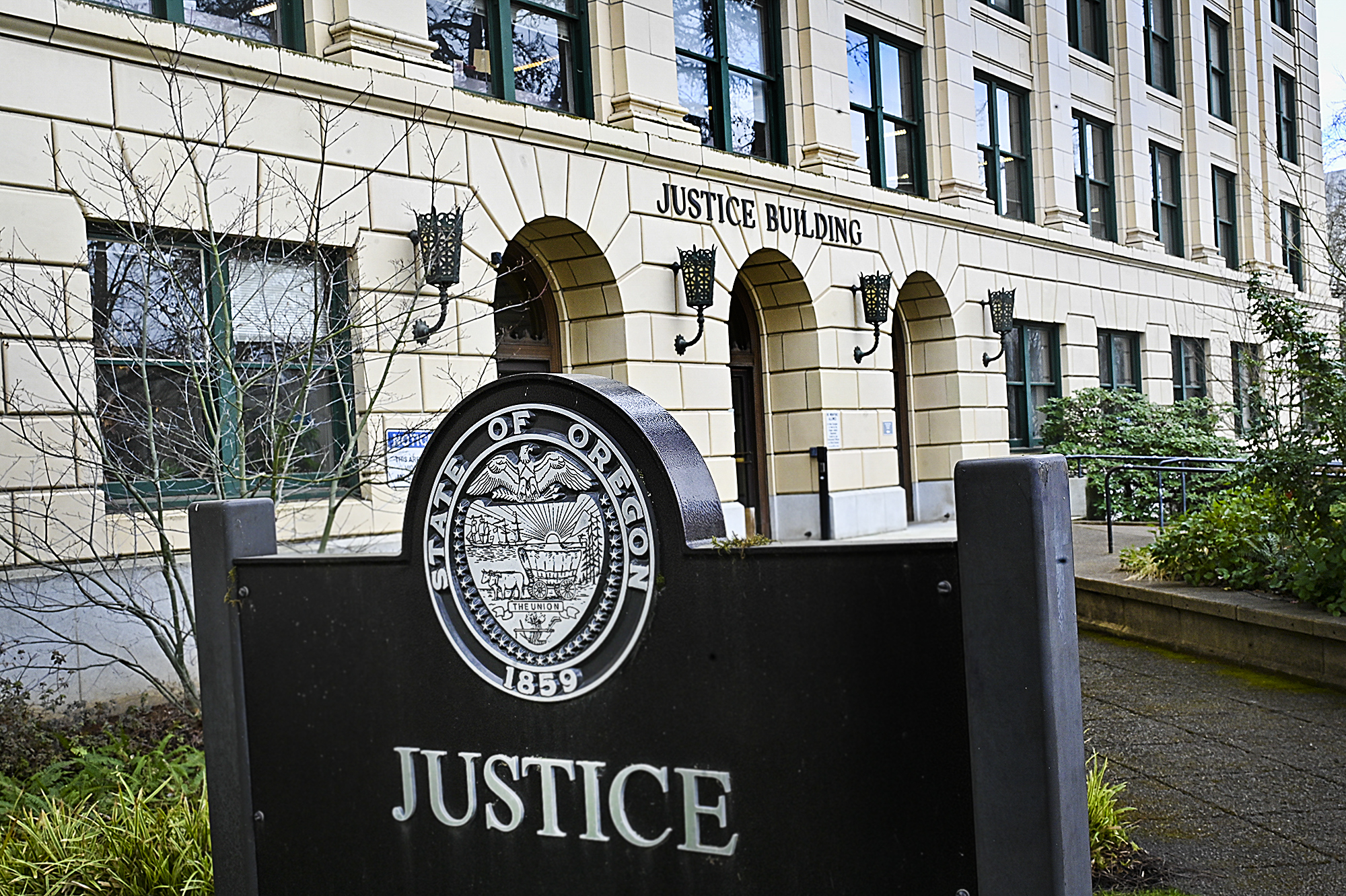
A recent high-profile arrest by federal immigration agents at a Marion County courthouse has sparked discussions regarding a potential violation of Oregon’s sanctuary law. The implications of this case remain uncertain as the Oregon Department of Justice launches an investigation.
The scrutiny began after federal immigration agents made two arrests on March 26 within the Marion County Circuit Court in Salem, with local authorities reportedly providing assistance. Videos from the incident show Sheriff’s Office personnel moving past federal agents during one arrest, where a man was forcibly subdued on the courthouse floor.
Jenny Hanson, a spokeswoman for the Oregon Department of Justice, confirmed that the Civil Rights Division had received reports regarding federal agents entering the Marion County Courthouse. She noted that the Sheriff’s Office indicated ICE agents had secured a judicial warrant for some individuals involved.
However, the situation is complicated by the fact that federal authorities utilized an administrative warrant for one of the men featured in the videos, despite another individual being arrested under a judicial warrant. This distinction holds significant weight in the context of Oregon’s established sanctuary law, which has been reinforced by guidelines from Oregon Chief Justice Megan Flynn. These guidelines explicitly prohibit civil arrests within court facilities without a judicial warrant.
Sanctuary laws, originating in the 1980s and expanded in 2021, limit the involvement of state and local law enforcement in federal immigration enforcement actions unless accompanied by a judicial warrant. Oregon’s laws specifically disallow local agencies from aiding in immigrant arrests based solely on administrative warrants.
While the Marion County Sheriff’s Office asserts that their actions were compliant with both state and federal laws, the case has drawn attention to the broader implications of immigration enforcement in judicial settings. Critics argue that such actions deter witnesses and victims from engaging with the legal system, undermining public safety.
Community Response and Legislative Implications
The state’s investigation following the March arrests raises questions about the enforcement of sanctuary laws. Although the Department of Justice is evaluating whether legal action is appropriate, past interpretations suggest that enforcement may often rely on the efforts of individual community members.
Legal experts have questioned the effectiveness of sanctuary laws, particularly concerning individuals who may be arrested and subsequently face deportation. Law professor Tun Yin from Lewis & Clark Law School expressed doubts about the ability of affected individuals to seek recourse through state law.
Support from state lawmakers has emerged in favor of a comprehensive investigation into the Marion County incident. Representative Willie Chotzen, a Democrat from Portland and vice chair of the House Judiciary Committee, called for an in-depth examination, highlighting the disturbing nature of the arrests depicted in the video. He emphasized the urgent need for sanctuary laws to ensure that individuals facing deportation can access legal representation and the courts.
The Department of Homeland Security, while remaining silent on the details of the administrative arrests, criticized local officials who do not cooperate with federal immigration efforts. The spokesperson stated that non-compliance endangers communities, asserting that federal immigration enforcement is essential for public safety.
As Oregon navigates these complex legal waters, the outcomes of both the investigation and potential policy changes could significantly shape the landscape of immigration enforcement in the state.
