


Reviving Owambe Traditions in Modern Diplomacy
The term ‘Owambe’ encapsulates a rich cultural tradition marked by lavish hospitality, vibrant music, and exquisite attire. This festive spirit, especially prevalent among the Yoruba, has made its way into various parts of southern Nigeria and beyond. The late General Adeyinka Adebayo, a notable figure in the country’s history, was affectionately known as “Governor Owambe.” His nickname popularized the term further, suggesting that even leaders recognized the importance of grand celebrations. Historical anecdotes even suggest that political figures like Obafemi Awolowo utilized livestock from their ranches to enhance the festivities of Owambe events.
As someone who grew up immersed in the Owambe culture, I appreciate its significance. The British Colonialists understood this cultural importance, especially when engaging with Nigerian leaders. For them, Owambe became a tool to facilitate Nigerian alignment with British interests in a competitive global market, wherein nations vie for attention and economic partnerships.
During the Trump administration, the British quickly recognized the need to differentiate themselves from other European nations, especially in the face of proposed tariffs. In a calculated move, Prime Minister Keir Starmer, learning from previous diplomatic lessons, enlisted King Charles III to extend a royal invitation for a state visit. This type of diplomacy illustrates how the British monarchy plays a vital role in enhancing the nation’s global influence, particularly after Brexit.
State visits aren’t merely ceremonial; they are pivotal for forging new economic and political ties, especially with Commonwealth countries like Nigeria. Under King Charles III, the monarchy has been used as a tool of soft power to drive meaningful diplomatic relations. The importance of such visits is not just in enhancing public relations, but in delivering tangible economic benefits.
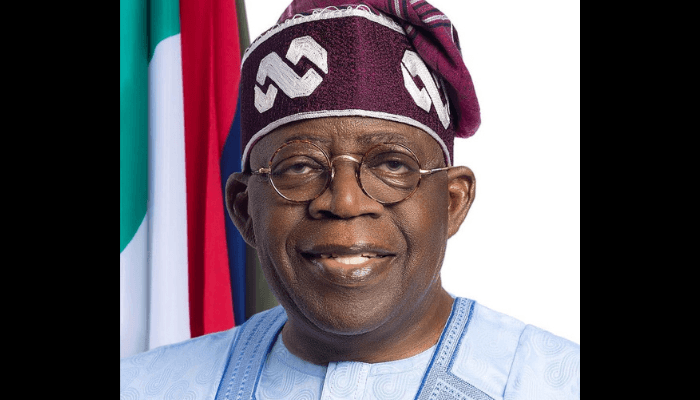
Witnessing the Nigerian President and First Lady participate in the grand displays of British hospitality in March 2026 was significant, marking their first state visit in nearly four decades. The attention lavished on them underscored the importance of cultural representation. However, it was also noted that the First Lady excelled in style compared to the President’s traditional wear, suggesting a need for better fashion coordination to elevate Nigeria’s image on the global stage.
The dialogues held between the Nigerian delegation and the UK government focused on critical issues such as trade, defense cooperation, and immigration. Notably, the discussions led to the approval of a £746 million loan for the refurbishment of the Lagos Port Complex, linking UK Export Finance with Nigerian infrastructure development. However, concerns linger about the effectiveness of such agreements and whether they adequately address Nigeria’s ongoing security challenges.
While the visit showcased potential diplomatic wins, Nigerians must critically assess the long-term implications of such “Owambe diplomacy.” Why was there a need for a prominent UK university campus in Lagos, especially one that doesn’t rank at the top? Such decisions should align with national priorities rather than enrich specific foreign interests.
In navigating global partnerships, Nigeria must ensure these engagements are grounded in its strategic interests. A genuine commitment to domestic capacity building is essential, and as Nigerians continue to celebrate their cultural identity within these diplomatic narratives, it is crucial they remain vigilant about the real costs associated with these high-profile events.
Babafemi A. Badejo is an accomplished author and former United Nations representative, currently leading Nigeria’s National NBA Anti-Corruption Commission. He was recently honored with the Nelson Mandela Outstanding Africanist Award, underscoring his contributions to political discourse and international relations.
