


Nigeria’s Minister Urges Investment to Realize Fisheries Potential in West and Central Africa
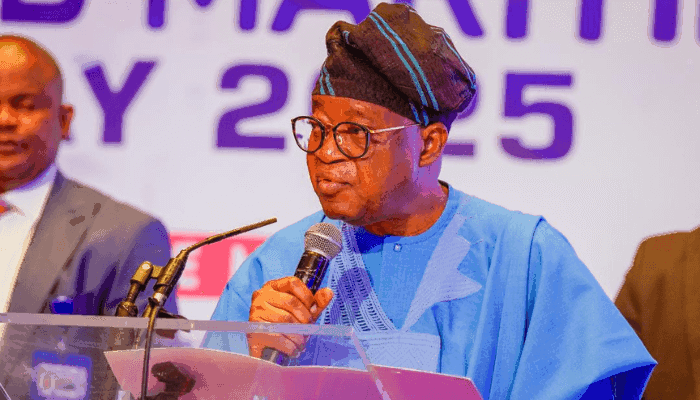
Dr. Adegboyega Oyetola, Nigeria’s Minister of Oceans and Blue Economy, underscored the need for unified action and enhanced investment to tap into the fisheries sector’s full potential across West and Central Africa.
Oyetola made these remarks on Monday during the National Fisheries Investment Conference, which took place from March 30 to 31, 2026, in Monrovia, Liberia. The conference, inaugurated by Liberian President Joseph Numa Boakai, attracted fisheries and aquaculture ministers from the region.
In a statement issued on Tuesday, the Minister emphasized that the conference was both timely and critical, serving as an essential platform to tackle persistent structural issues within the sector while exploring broader opportunities linked to the blue economy.
Recognizing the paramount role of fisheries and aquaculture in ensuring food security, job creation, and economic growth, Oyetola expressed that the timing of the conference is particularly relevant for the region. He pointed out that despite the wealth of marine and inland water resources, the sector faces significant challenges, including declining fish stocks, inadequate infrastructure, and restricted access to financing and modern technologies.
He remarked on the pressing need for a deliberate focus on sustainability, increased investments, and strengthened regional collaboration to overcome these hurdles. According to Oyetola, effective resource management is essential to achieving long-term benefits for the ecosystem.
Highlighting the shared nature of fisheries resources, he asserted that addressing illegal, unreported, and unregulated fishing requires collaborative efforts among nations. “No country can tackle illegal, unreported and unregulated fishing in isolation,” he stated, advocating for enhanced cooperation through regional institutions.
As the Chairman of the Guinea Central and Western Gulf Fisheries Commission (FCWC), Oyetola reaffirmed the organization’s dedication to strengthening collective fisheries governance. He outlined ongoing initiatives such as regional vessel registration, coordinated patrols, and enhanced information-sharing systems aimed at boosting regulation and sustainability.
Oyetola called for stakeholders to direct investments across the entire fisheries value chain, encompassing aquaculture, processing, cold chain logistics, and export development. He noted that targeted investments could significantly enhance employment opportunities, especially for youth, while bolstering regional trade.
This renewed focus on regional cooperation and investment emerges against a backdrop of growing concerns surrounding the sustainability and productivity of the fisheries sector in West and Central Africa. The region faces mounting pressures from overfishing, illegal fishing, and inadequate infrastructure, despite its abundant seafood resources.
In Nigeria, successive administrations have pursued reforms to reposition the fisheries and aquaculture subsectors as vital components of the broader blue economy. The current government’s Federal Ministry for Marine and Blue Economy has emphasized policies aimed at boosting local fish production, decreasing import reliance, and strengthening regulatory frameworks.
Oyetola shared that these initiatives are already bearing fruit, as evidenced by sustained access to international markets for Nigeria’s shrimp exports. He also pointed to broader maritime sector reforms, which include reducing marine pollution, improving port infrastructure, and enhancing maritime safety measures. The Minister noted that Nigeria’s recent track record of zero piracy incidents in the Gulf of Guinea has positively influenced investor confidence in the region.
Lastly, Oyetola revealed that the FCWC is actively working to harmonize fisheries policies among member countries to promote intra-regional trade, thereby aiming to fortify value chains and attract long-term investment in the sector.
