


Pasadena City Council Moves to Establish Ordinance on ICE Property Use
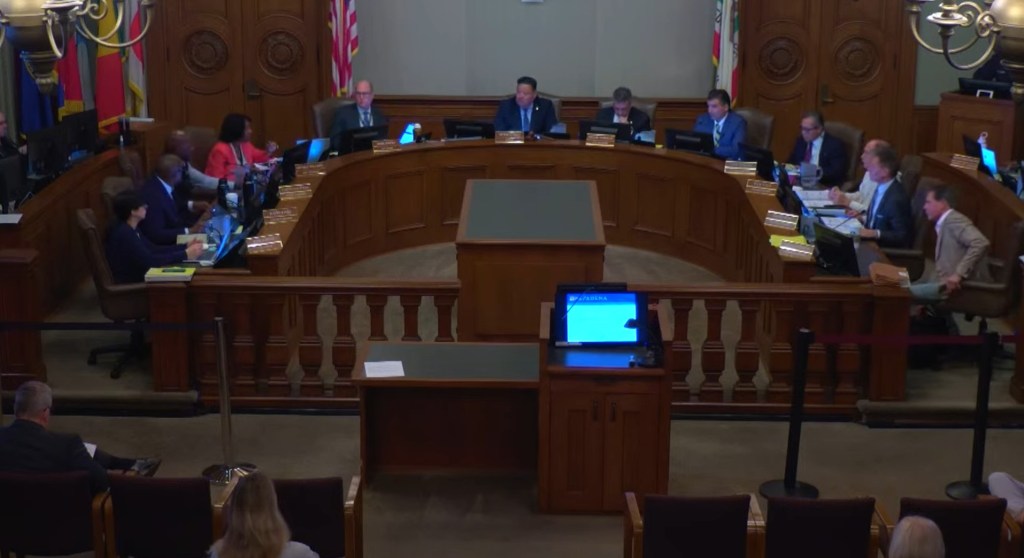
On April 6, the Pasadena City Council instructed the drafting of an ordinance aimed at formalizing zoning restrictions regarding the use of city-owned property by Immigration and Customs Enforcement (ICE) agents. This initiative reflects broader discussions on enhancing local measures to limit federal immigration enforcement within city limits.
Recommendations for Limiting ICE Operations
City officials have outlined a series of recommendations designed to restrict ICE operations within Pasadena. These proposals include limiting the use of city-owned spaces—such as parking lots, vacant lots, garages, and restricted areas of city facilities—as sites for ICE preparation, processing, or operational activities.
Unanimous Support for Ordinance Motion
The City Council unanimously voted 7-0 in favor of a motion proposed by Councilman Rick Cole, which elevates these recommendations from policy suggestions to an actionable ordinance. The motion will be revisited by the City Council for further consideration in the near future.
Previous Resolutions and Proposed Transparency Measures
In February, the council passed a resolution limiting federal immigration enforcement operations and tasked city officials with reporting on effective implementation methods. The focus of this measure includes regulating both city and privately owned land used by ICE and enhancing transparency in documentation and reporting of ICE activities in the city.
Innovative Policy Initiatives Under Review
In addition to the proposed ordinance, city officials are exploring other policy options, such as creating a dedicated website for immigration resources and mandating that city contractors disclose their agreements with the Department of Homeland Security. These initiatives aim to ensure that residents are aware of their rights and the city’s stance on immigration enforcement.
Balancing Local Concerns with Federal Law Compliance
During the council meeting, officials discussed the delicate challenge of countering federal overreach while considering the potential implications for city employees. Signs will be posted at city facilities to clearly indicate that immigration enforcement operations are prohibited. However, questions arose regarding the enforceability of these signs and the actions the Pasadena Police Department would take if ICE vehicles were found in violation.
Public Input and Ongoing Legal Actions
Public commentary reinforced the need for the council to adopt an ordinance that is not merely symbolic but offers real protection against ICE activities. Councilman Cole’s motion also proposes auditing the city’s land use code to eliminate possible loopholes allowing for ICE detention facilities, improving the accessibility of immigration resources, and encouraging transparent discussions with the community about immigration-related policies.
Support for Local Immigrant Communities
The city recently announced the launch of the Pasadena Emergency Relief Fund, developed in partnership with the California Community Foundation. This fund aims to support local families impacted by heightened ICE activities, with an initial goal of raising $250,000. As of the latest meeting, over $101,000 has already been raised to assist residents in need.
Ongoing Legal Challenges Against Federal Authority
City Attorney Michele Biel Bagneris pointed out that Pasadena is currently involved in several lawsuits against the federal government, stemming from incidents related to ICE. She emphasized the importance of documenting any federal violations of local laws, which could be instrumental in future legal actions. Mayor Gordo noted that Pasadena is actively making its voice heard in these matters, participating in unique legal challenges that distinguish it from other municipalities.
Transparency and Community Engagement Efforts
As the city moves forward with these initiatives, council members and community leaders continue to express their commitment to standing up for residents’ rights while navigating the complexities of federal law. The council’s meeting was streamed live, providing transparency in their discussions and encouraging community engagement in these critical issues.
