


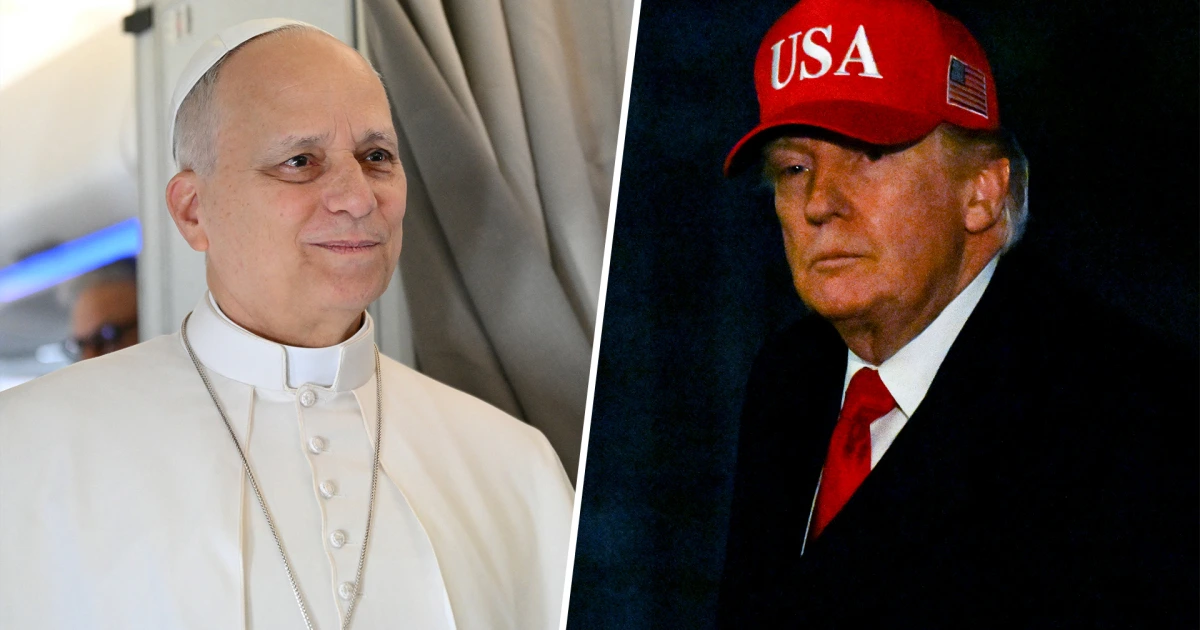
Conflict Escalates as Trump and Pope Clash over Iran War
The ongoing fallout from the Iran war has intensified a public clash between President Donald Trump and Pope Leo XIV. This dispute gained traction when the Pope expressed his concerns regarding the U.S.-led military operations. In response, Trump harshly criticized the Pope on social media, labeling him “a very liberal person” and claiming he is “terrible when it comes to foreign policy.”
Pope Responds to Trump’s Criticism with Assertive Remarks
The Pope, undeterred by Trump’s remarks, made it clear that he is not intimidated by the Trump administration. He stated, “I am not afraid of speaking out about the message of the Gospel,” indicating his commitment to address humanitarian issues without fear of political repercussions. This exchange has caught the attention of global leaders and media alike, as it underscores rising tensions in international relations.
Public and Political Reactions to the Dispute
The confrontation has sparked widespread reactions from both political analysts and the general public. Pundits are divided over the implications of this clash. Some view it as a necessary dialogue about moral and ethical leadership in a time of global unrest, while others see it as an unnecessary politicization of religious authority.
Impact on U.S. Relations with Religious Institutions
This incident may have broader implications for U.S. relations with religious institutions around the world. As religious leaders voice their concerns about political actions, the potential for increased diplomatic tension arises. Observers speculate that the exchange could influence the stance of various religious groups towards U.S. foreign policy moving forward.
Analysts Weigh in on the Broader Context
Political analysts highlight that this clash is not just about Trump and the Pope; it reflects deeper divisions within the U.S. and global political landscapes. The juxtaposition of military action and humanitarian concern evokes ongoing debates about the role of ethics in governance. As the world watches, the repercussions of this public quarrel remain to be seen.
The Role of Media in Covering International Conflicts
Media coverage plays a critical role in framing the narrative surrounding this confrontation. As journalists unpack the layers of political, ethical, and religious motivations, the public gains a more nuanced understanding of the complexities involved. This issue raises questions about how leaders’ communications influence public opinion and international relations.
Future Endurance of Political-Religious Dialogues
Moving forward, the discourse between political figures and religious leaders will likely continue to evolve. Whether this clash will prompt meaningful conversations about policy and ethics, or whether it devolves into more heated exchanges, remains uncertain. What is clear is that the dialogue surrounding the intersection of faith and political power is increasingly relevant in today’s global environment.
