


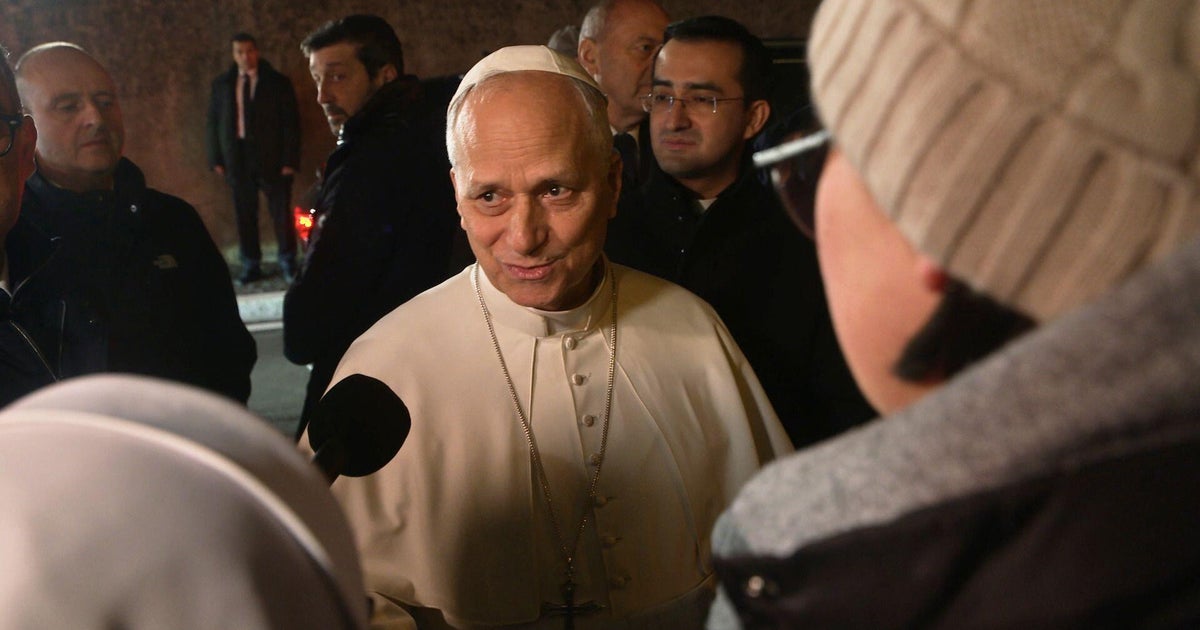
In recent weeks, Pope Leo has become a prominent voice amidst rising tensions surrounding Iran. Just before a ceasefire was negotiated on April 8, former President Donald Trump issued threats to destroy Iranian civilization. The pope publicly condemned these remarks as “truly unacceptable,” urging political leaders and parliamentarians to prioritize peace over war.
“Please contact the authorities and ask them to work for peace and always reject war,” he urged during a press conference at his villa in Castel Gandolfo. Cardinal Robert McElroy, Archbishop of Washington, echoed this sentiment, emphasizing that the ongoing conflict in Iran does not meet the criteria of a just war, as defined by Catholic teachings.
A Call for Ceasefire in Iran
Trump’s justification for military action against Iran stems primarily from the nation’s alleged nuclear ambitions and its long history of supporting terrorist groups. McElroy acknowledged the regime’s abhorrent nature, stating, “This is the war we chose, and I think it’s embedded in a broader alarming moment in America—facing the possibility of war after war.” The urgency for a ceasefire has been central to Leo’s message since the conflict escalated in late February.
In a recent interview on “60 Minutes,” the pope articulated his hope for peace through a ceasefire that would honor all parties involved. This renewed call for tranquility coincided with the announcement of a ceasefire last week. Although Leo typically refrains from naming political figures directly, his Palm Sunday sermon seemed to address the militaristic rhetoric of individuals within the Trump administration.
Attending to the spiritual implications, the pope remarked that Jesus “does not listen to the prayers of those who make war,” highlighting the moral complexities surrounding the conflict. Additionally, Cardinal Blase Cupich of Chicago criticized the White House’s portrayal of the war on social media, describing it as “gamification” that reduces human suffering to entertainment.
The Catholic Church’s Stance on Immigration
Citing the importance of supporting marginalized communities, Leo’s actions reflect a broader stance against mass deportation policies implemented by the Trump administration. As the United States approaches its 250th anniversary, Leo plans to spend July 4th at a key European immigration point, underlining his commitment to aiding those in need.
In a stark critique, Cardinal Tobin of Newark referred to U.S. Immigration and Customs Enforcement as a “lawless organization,” calling for accountability in how immigration policies are enforced. “When people hide their true identity to scare others, it raises serious constitutional concerns,” he said, reinforcing the need for a fair treatment of immigrants.
While many U.S. bishops have united against “indiscriminate mass expulsions,” McElroy has voiced concern that the Biden administration’s immigration policies remain out of control. However, he strongly disagrees with the extreme measures from the previous administration, advocating for compassion toward families who have contributed positively to society.
Transforming Visions into Reality
Amidst this complex political landscape, the legacy of Pope Francis also looms large. During his papacy, Francis criticized Trump’s mass deportation plans and sought to create inclusive initiatives, such as vocational training centers for immigrants. Rev. Manuel Dorantes from Chicago believes Pope Leo is continuing this vision. “I think Pope Leo wants to make Pope Francis’s dream a reality,” he stated, revealing the pope’s encouragement to move forward with humanitarian projects aimed at uplifting those in vulnerable circumstances.
In collaboration with community partners, Leo’s initiatives aim to train approximately 1,000 individuals annually in sustainable agricultural practices. “If every church and diocese engaged in similar efforts, we could impact thousands,” Dorantes added, illustrating the potential for meaningful change through collective action.
