


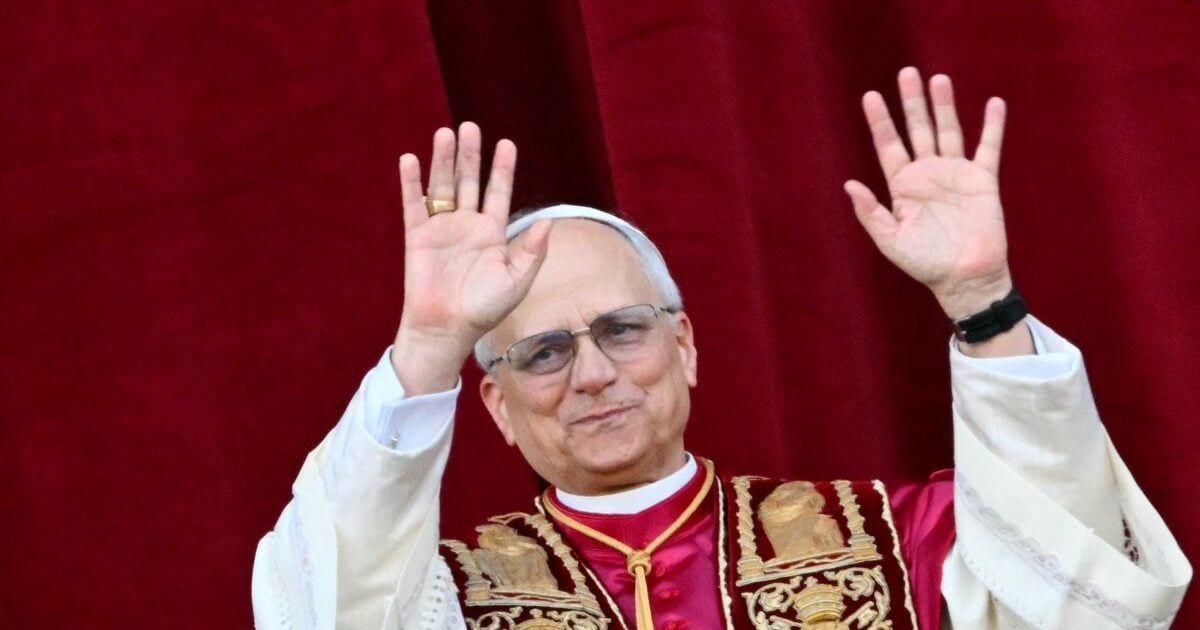
Pope Leo’s Upcoming Journey Across Africa
Pope Leo is set to embark on an extensive tour across Africa, covering over 18,000 kilometers (11,000 miles) as he addresses pressing issues such as interfaith dialogue, peace initiatives, inequality, and human rights. The American-born pontiff, who assumed leadership of the global Catholic Church in May, will deliver 11 speeches, lead seven Masses, and visit 12 locations throughout the trip, which will run until April 23.
At 70 years old, Leo’s words and actions will be particularly significant amidst the backdrop of global uncertainties exacerbated by ongoing conflicts in the Middle East and the resulting energy crisis. This visit marks Leo’s third journey outside Italy, following trips to Türkiye and Lebanon last year, and Monaco in March.
Pioneering Visit to Algeria (April 13-15)
Pope Leo will make history as the first pope to visit Algeria, a North African nation where Islam is recognized as the state religion. During his stay, he is expected to tour the Great Mosque in Algiers and meet with President Abdelmadjid Tebboune. Additionally, he will engage with members of the Pope’s Augustinian Order in Annaba, the historical home of St. Augustine.
Cardinal Jean-Paul Vesco, the archbishop of Algiers, emphasized the significance of the pope’s visit, describing him as “a brother who comes to visit brothers.” The pontiff will also take a moment for private prayer in a chapel dedicated to the memory of 19 priests and nuns who lost their lives during Algeria’s civil conflict from 1992 to 2002. Ahead of the visit, three international NGOs urged Pope Leo to voice concerns regarding the treatment of religious minorities in Algeria.
Promoting Peace in Cameroon (April 15-18)
The theme of peace and reconciliation will take center stage during Leo’s visit to Cameroon, a country predominantly populated by Christians. The northwestern region, where English speakers reside, has experienced nearly a decade of conflict. The Catholic Church acts as a mediator in these ongoing struggles, and a highlight of the trip will be a speech and Mass conducted under heavy security in Bamenda, the focal point of the unrest.
Alongside this, the pope plans to visit various institutions operated by the church, including hospitals and schools, as he addresses the needs of the local Catholic community, which constitutes about 37% of Cameroon’s 30 million residents. A meeting with 93-year-old President Paul Biya, one of the world’s longest-serving leaders, is also on the agenda, as Biya has faced criticism from senior clerics regarding governance issues.
Addressing Inequality in Angola (April 18-21)
Pope Leo’s trip to Angola, a former Portuguese colony in southern Africa, presents an opportunity to discuss crucial social issues. While the country is rich in oil and minerals, many citizens still grapple with pervasive poverty, a residual effect of its protracted civil war that ended in 2002. The pope is expected to emphasize the need for equitable distribution of wealth derived from natural resources and advocate against corruption.
Angola’s Catholic population, which makes up roughly 44% of its people, eagerly anticipates his visit. However, some dissenting voices are concerned about the expense of the trip. Rosa Kanga, a local teacher, remarked that the societal costs do not justify the benefits, as significant funds will be drawn from the national treasury for preparations. Leo’s itinerary includes stops in Luanda, where stark contrasts between affluent neighborhoods and sprawling slums are evident, as well as a visit to a historic church along a former slave trade route in the village of Mshima.
Delicate Balance in Equatorial Guinea (April 21-23)
Pope Leo’s visit to Equatorial Guinea comes as the nation has been ruled autocratically by President Teodoro Obiang Nguema Mbasogo since 1979. With approximately 80% of its 2 million citizens identifying as Catholic, this marks a significant moment, as Jean-Paul II made the only previous papal visit nearly 50 years ago. The pontiff will need to navigate a complex landscape, balancing support for the local Catholic church while avoiding an endorsement of the authoritarian regime.
Many observers expect Leo to convey powerful messages related to human rights and social justice during his trip. Ahead of his arrival, the city of Malabo has displayed large portraits of the pope, accompanied by national television advertisements promoting the visit, creating an atmosphere of anticipation and scrutiny.
