


Iran’s Military Provocation Raises Domestic and International Concerns
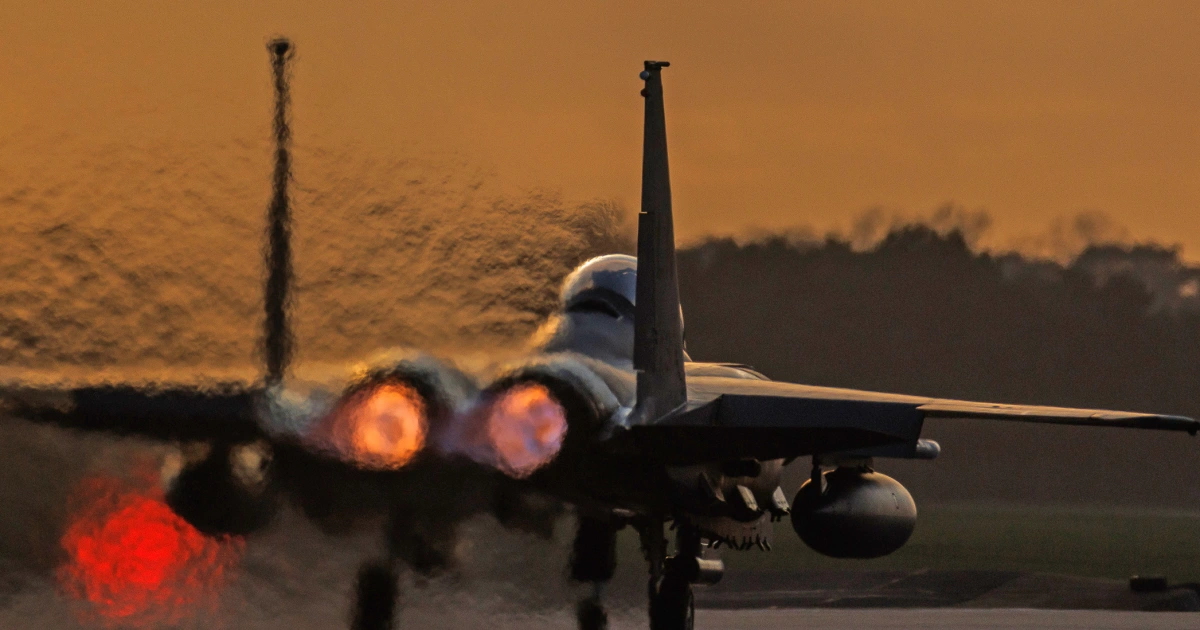
WASHINGTON – In a dramatic escalation just two days after President Donald Trump asserted that the U.S. military had “defeated and completely annihilated Iran,” the Iranian military downed an F-15E fighter jet, prompting a perilous rescue operation by U.S. forces to locate two service members within Iranian territory. The situation intensified as Iran also targeted two Black Hawk helicopters and an A-10 Thunderbolt attack aircraft involved in the search and rescue efforts.
The Challenges of Military Engagement
This tragic incident highlights the mounting challenges facing President Trump as the conflict enters its second month. Despite ongoing bombing campaigns and proclamations of success from the White House, Iran maintains sufficient military capability to inflict serious harm on U.S. forces and allies within the region.
Underestimating Iran’s Military Strength
In a recent speech, President Trump claimed that Iran lacked anti-aircraft equipment and that their radar systems had been completely obliterated. However, analysts suggest that approximately half of Iran’s ballistic missile launchers are still operational, alongside an arsenal of thousands of drones ready for deployment. Experts noted that Iran’s underground missile stockpiles also remain intact, allowing it to threaten vessels navigating through vital waterways.
Iran’s Resilience in Warfare
Kelly Grieco, a senior fellow at the Stimson Center, commented on Iran’s military capabilities, stating that at their current operational tempo, the Iranian forces could sustain prolonged engagements. Grieco also emphasized improvements in Iran’s ability to conceal its weapon capabilities.
A Pivotal Moment in U.S. Military Strategy
The downing of the F-15E marks a significant development in U.S. military history, being the first incident in decades where a U.S. fighter jet was taken down by enemy fire. While one servicemember was rescued, others are still unaccounted for. A soldier aboard a Black Hawk helicopter sustained minor injuries, while the pilot of the A-10 successfully ejected over Kuwait.
Contradictions in War Strategy Messaging
This incident may serve as a crucial turning point, contrasting sharply with the White House’s narrative, which emphasizes military triumphs while downplaying the persistent threats from Iran. Following the attack, a senior White House official reported that President Trump convened a national security meeting to assess the unfolding situation.
Diplomatic Relations Amidst Military Escalation
Earlier assertions by the White House suggested Iranian control over airspace had ceased. Press Secretary Caroline Levitt emphasized that a joint U.S.-Israeli force had claimed air superiority over Iran. Yet, despite Trump’s optimistic claims of a significant military victory, reports indicate that Iran has launched a barrage of missiles and drones targeting U.S. installations, raising concerns about the real conditions on the ground and complicating future diplomatic negotiations.
International Isolation and Regional Implications
President Trump faces increasing isolation as allies remain hesitant to engage militarily without prior consultation. His frustration with European partners reflects a growing disconnect, as they remain cautious about deeper involvement in a conflict characterized by unclear objectives. Reports suggest that the NATO Secretary-General is scheduled to visit the White House next week to discuss this ongoing crisis.
