


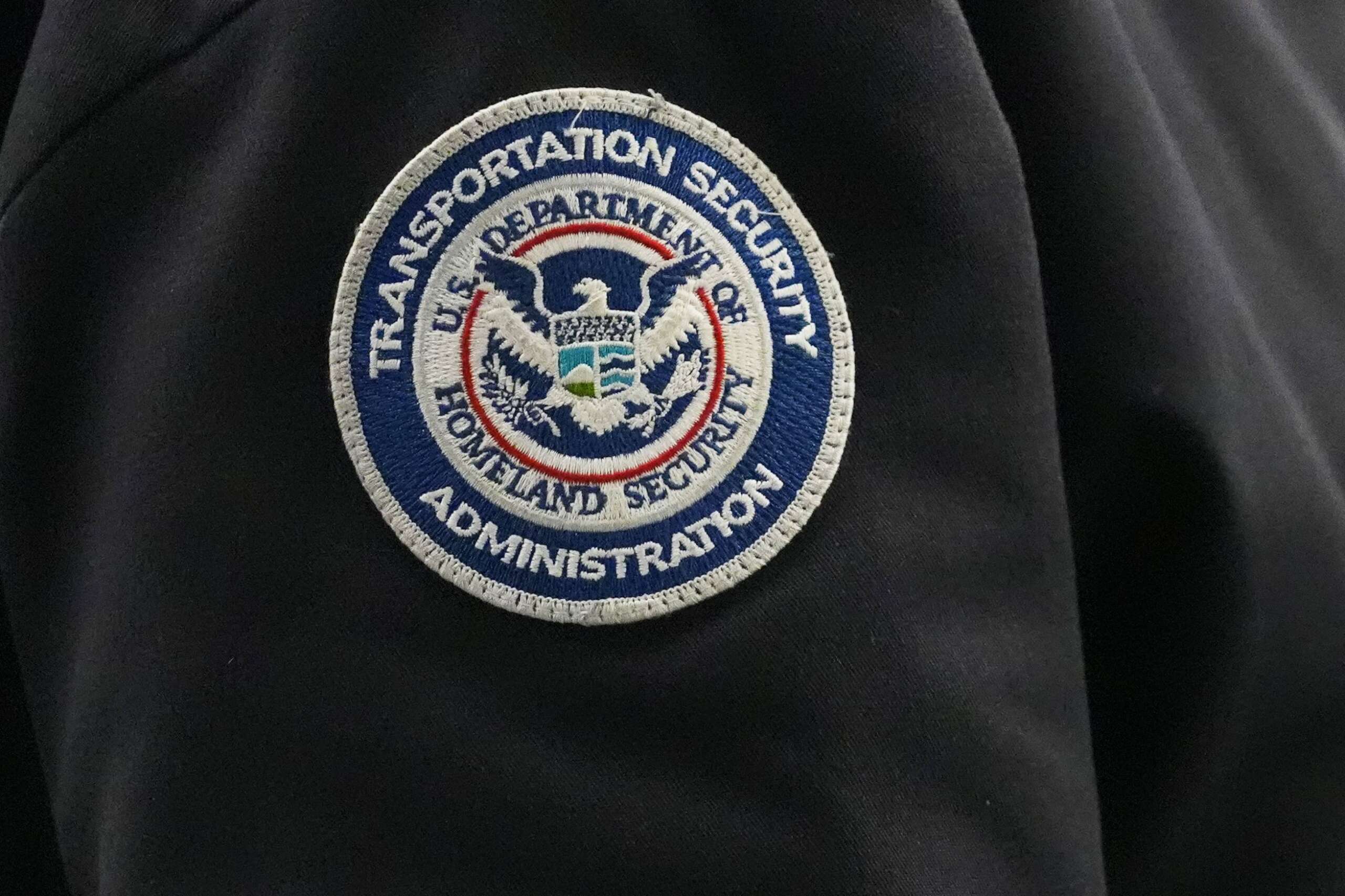
President Donald Trump signed an executive order on Friday to ensure Transportation Security Administration (TSA) employees receive pay, following the collapse of efforts to resolve the Department of Homeland Security (DHS) shutdown in Congress. The signing aims to address escalating security lines at major airports across the nation.
In a statement accompanying the memo, President Trump highlighted the urgency of the situation, stating, “The United States’ air travel system is at breaking point.” He characterized the ongoing issues as a national security emergency. The administration plans to utilize “funds that have a reasonable and logical connection to TSA operations” for these payments. Homeland Security Secretary Mark Wayne Mullin indicated that TSA employees could start receiving paychecks as early as Monday.
While these actions may ease some concerns for travelers, they fail to resolve the broader DHS shutdown, which has been a source of significant strain on airports and has imposed financial burdens on thousands of federal employees. This partial shutdown has now lasted 44 days, surpassing the previous record of 43 days set last fall when the entire federal government was affected.
House Republicans Dismiss Senate Funding Deal
Immediately following the Senate’s approval of a funding bill early Friday, House Republicans voiced their opposition. House Speaker Mike Johnson opened the debate by accusing Democrats of engaging in “a dangerous game,” urging the need for dialogue with Republicans on how to proceed.
After a lengthy conference call, Johnson condemned the Senate’s actions, criticizing what he described as a “joke.” He announced that House Republicans would pursue an alternative bill aimed at funding all departments until May 22 and confirmed that President Trump is on board with this approach.
Frustration among House Republicans stemmed from the Senate’s bill lacking provisions for Immigration and Customs Enforcement (ICE) and border security funding. Democrats, in turn, are hesitant to allocate resources to these agencies without first altering immigration enforcement practices.
With the Senate adjourned after passing funding for most of DHS, it may take time for them to reconvene if the House pushes through a different bill. Senate Democratic Leader Chuck Schumer has indicated that any House proposal would “die on arrival” in the Senate.
Details of the Senate Compromise Bill
Senators worked late into the night to pass a funding bill for much of the DHS, which includes financial support for the Federal Emergency Management Agency, the Coast Guard, and the TSA. While Senate Republicans expressed disappointment over the absence of funding for ICE and Border Patrol, they noted that immigration enforcement has largely continued without interruption. The substantial Republican tax cut passed last year allocated billions of dollars to DHS, including $75 billion for ICE operations.
However, conservative Republicans strongly resisted setting a precedent where Congress could selectively fund specific agencies within DHS during the annual appropriations process. Senator Eric Schmidt from Missouri emphasized the importance of fully funding ICE, asserting, “That’s what this fight is about.” Meanwhile, recent protests against immigration crackdowns have raised tensions, leading Democrats to push for reforms around how federal officers engage with the community.
Division Among Republican Leaders
The Senate’s rejection of the deal has created a noticeable divide between House Speaker Johnson and Senate Majority Leader John Thune, who have historically collaborated to advance President Trump’s policies. With all Senate Democrats opposed, Thune needed to secure 60 votes to overcome the filibuster in a narrowly divided Senate.
After intensive negotiations that included input from the White House, the compromise funded all DHS departments with the exception of certain parts of ICE and Customs and Border Protection (CBP). The agreement was passed by voice vote with no objections noted from either side. When questioned about his discussions with Johnson, Thune stated only that they had exchanged text messages but was uncertain about the House’s future actions.
As the discussions unfolded, the White House maintained a low profile, and President Trump refrained from public commentary during the negotiations. Thune did not address Johnson’s claim of being uninformed about the deal’s collapse in the House.
Challenges at Airports Due to TSA Workforce Shortages
The ongoing DHS closure has resulted in significant travel delays and raised alarms about potential airport closures as unpaid TSA employees are beginning to refrain from reporting to work. This comes after federal workers already endured the longest government shutdown in history last fall. At multiple airports, TSA staff availability has plummeted below 40%, with nearly 500 out of approximately 50,000 TSA security personnel retiring during this shutdown. Data from DHS indicates that over 11.8% of TSA employees were absent from work on a recent Thursday, equating to more than 3,450 call-outs.
Contributors to this report include Associated Press writers from various locations, highlighting the widespread impact of the ongoing situation.
Copyright © 2026 Associated Press. Unauthorized reproduction is prohibited. This website is not directed to users within the European Economic Area.
