


Viral Moment at Mecca Sparks Reflections on Faith
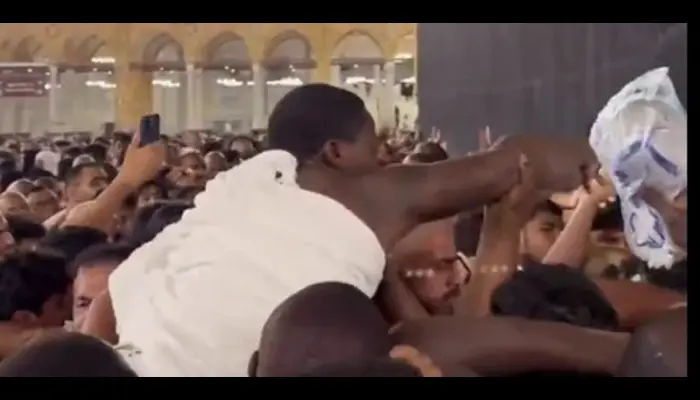
A recent video featuring musician Asake attempting to touch the Black Stone of Mecca has ignited interest and curiosity about its significance among millions of believers worldwide. This scene prompted me to delve deeper into the historical and cultural importance of the stone, sending my thoughts racing through the annals of history.
In my exploration, I came across numerous YouTube videos and historical accounts showcasing the determination of pilgrims from around the globe as they strive to reach this sacred stone. Each clip revealed a similar narrative: throngs of devotees encircling the Kaaba in Mecca, skillfully maneuvering through the crowd in hopes of briefly connecting with the stone positioned in the eastern corner of the mosque.
The imagery spoke volumes, intertwining dedication, awe, and a profound expression of faith among those gathered. Asake’s attempt was more than just a moment captured on film; it epitomized a universal experience shared by the millions of Muslims who embark on pilgrimages to the Holy Land each year during Hajj and Umrah.
Within the expansive courtyard of Masjid al-Haram, pilgrims engage in a ritual known as tawaf, circling the Kaaba seven times. The Black Stone marks the starting point of this sacred journey. For many, the desire to touch or kiss this stone is deeply emotional, echoing the actions of the Prophet Muhammad, who is believed to have kissed it during his pilgrimage.
However, the reality of reaching the stone is far from straightforward. The density of pilgrims surrounding the Kaaba means that making even a slight advance demands patience, strength, and strategic navigation through the moving crowd. Reflecting on this challenge, I spoke with Wasiu Sonekan, a devout Muslim and seasoned pilgrim. His humor and realism captured the essence of this shared experience.
“It’s akin to a tug of war,” he remarked, illustrating the intensity associated with the pursuit of the stone. While he humorously suggested it could be a life-threatening endeavor to get that close, his words resonated with those who understand that the stone itself is not revered, but rather represents the heartfelt beliefs of everyone present.
As I viewed the videos, I recollected a story from a colleague who once visited the same hallowed site with a quiet hope to touch the Black Stone. During his pilgrimage, he managed to approach the corner of the Kaaba where the stone rests. For a fleeting moment, the crowd parted, giving him a glimpse of his goal, only to have the human sea surge back, obscuring his chance once more.
Despite not achieving his goal, he concluded his pilgrimage with gratitude, understanding that his longing to touch the stone would have to wait for a future visit. His experience reflects that of countless pilgrims; many depart from Mecca with a modest hope of one day touching this revered stone, symbolizing their spirituality and connection to tradition.
Why does this desire to touch the Black Stone prevail? The answer lies in its profound symbolism. Islamic tradition dates the stone back to when Abraham and his son Ishmael rebuilt the Kaaba, establishing it as a sacred landmark central to the pilgrimage rituals. Touching or kissing the stone is not a worshipful act directed toward the object itself, but rather a way for believers to emulate the Prophet and connect with over 14 centuries of continuous tradition.
One of the compelling aspects of the viral video is how it bridged the gap between celebrity and everyday life. In the sacred space around the Kaaba, fame holds little value. Whether a renowned artist like Asake or a nameless pilgrim, everyone participates in the cyclical rhythm of tawaf, clad in simple garments devoid of status or wealth insignia. In that moment, Asake transcended his identity as a musician, joining the ranks of countless others united in their spiritual journey.
Ultimately, the significance of the Black Stone extends beyond the physical act of touching it; it embodies a deeper connection to faith. The struggle to reach the stone parallels the overarching human quest for belief, marked by hope, humility, and resolve. While some pilgrims achieve the coveted touch, others do not, yet the spiritual essence of the pilgrimage endures.
This viral moment serves as a poignant reminder that the essence of pilgrimage lies not in fleeting physical contact but in the unwavering dedication that draws believers across continents to stand before the Kaaba. Within this sacred circle, every pilgrim, celebrated or anonymous, contributes to an enduring narrative of faith.
James, a corporate communications and public relations specialist, contributes this piece from Lagos.
