


Rising Global Oil Prices Threaten Nigeria’s Disinflationary Progress
The Center for the Promotion of Private Enterprise (CPPE) has issued a warning regarding the impact of escalating global oil prices, driven by conflicts between the US-Israel and Iran, on Nigeria’s disinflationary trend. This uptick in oil prices poses a potential risk to the country’s efforts in stabilizing its economy.
Inflation Trends in Nigeria
According to the National Bureau of Statistics (NBS), Nigeria’s headline inflation rate has declined slightly to 15.06% in February, down from 15.10% in January and a significant drop from 26.27% in the same month last year. However, this improvement does not necessarily translate to a reduced cost of living or enhanced corporate profitability, as food inflation has surged to 12.12%, rising sharply from January’s rate of 8.89%.
Fragile Gains in Headline Inflation
In response to the NBS report, CPPE emphasized that the recent gains in headline inflation are precarious. The think tank highlighted that rising transport and energy costs continue to erode consumer purchasing power, leaving real incomes under significant pressure—particularly for vulnerable urban households.
Challenging Environment for Small and Medium Enterprises
The operational landscape for small and medium enterprises (SMEs) in Nigeria remains particularly tough. High costs associated with energy, logistics, and raw materials, coupled with sluggish consumer demand, restrict price flexibility and amplify business vulnerabilities.
Middle East Conflicts Fuel Inflationary Pressures
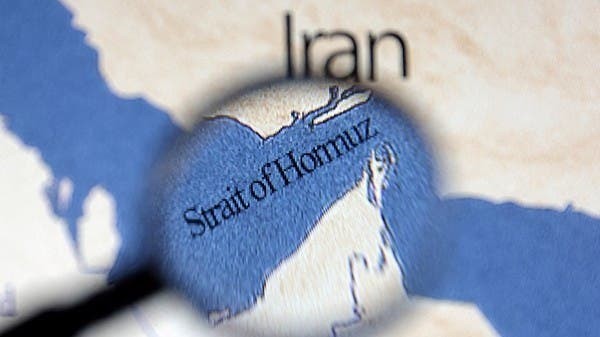
CPPE argues that the ongoing conflict in the Middle East, particularly between the US/Israel and Iran, plays a significant role in driving global oil prices above $100 per barrel. This increase exacerbates inflation projections for Nigeria. The organization warned that if food prices continue to climb due to higher fuel costs, the current disinflationary trend could be significantly reversed.
Addressing Structural Weaknesses in Nigeria’s Economy
The think tank further elaborated on how Nigeria’s economic structure renders it susceptible to energy-driven inflation. Unstable electricity supply has led to a reliance on gasoline and diesel for power generation, resulting in swift pass-through effects of oil price surges on domestic inflation. CPPE estimates that unreliable power costs the economy between 7 trillion and 10 trillion naira annually, while expenditures on generators exceed 3.7 trillion naira each year.
Recommendations for Government Intervention
To combat these challenges, CPPE advocates for a focused approach on enhancing domestic refining capacities by ensuring local refineries, including the Dangote refinery, receive a consistent and dependable supply of crude oil under favorable terms. This measure is seen as vital for stabilizing domestic fuel prices and easing foreign exchange pressures.
Additionally, CPPE calls for increased investment in efficient public transport as a measure of social protection to relieve households of rising transportation costs. The think tank also suggests eliminating financial barriers to renewable energy sources and suspending maritime charges to mitigate heightened shipping expenses. A more reliable electricity supply remains the cornerstone of a long-term solution to Nigeria’s energy cost crisis, per CPPE. They emphasize that strengthening power generation, transmission, and distribution infrastructure is essential to alleviating production costs and inflationary pressures.
Lastly, CPPE recommends that companies adopt more flexible remote work arrangements to help mitigate commuting costs amid rising fuel prices. They urge monetary and fiscal authorities to remain cautious amid this volatile economic landscape, cautioning against premature policy easing while emphasizing the importance of managing any oil revenue windfall carefully to bolster foreign exchange reserves and support productive sectors.
