


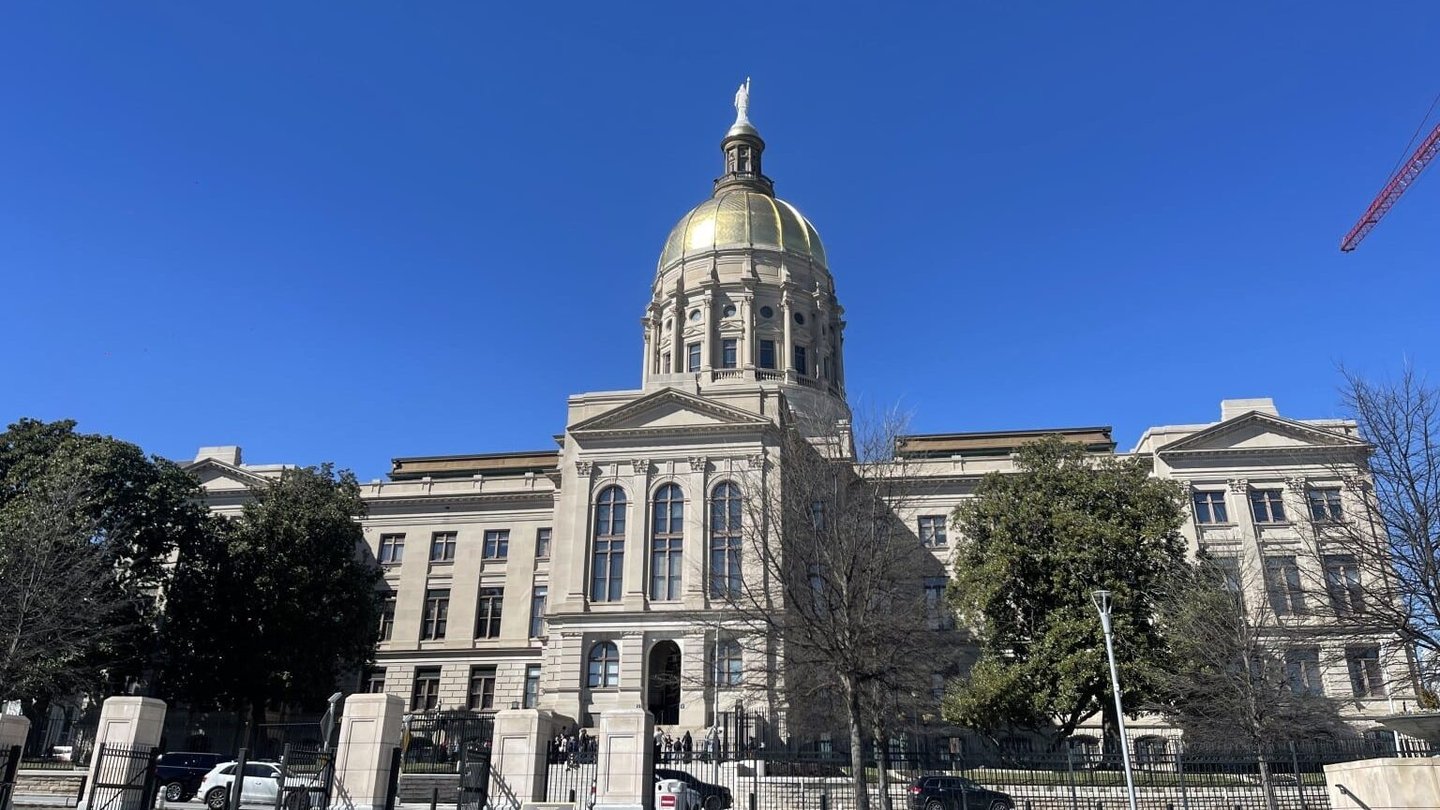
As the Georgia Legislature convened for its annual session in January, many supporters voiced their concerns about the implications for vulnerable communities. The start of the session coincided with the Trump administration’s intensified crackdown on immigrant populations throughout the country. Local advocates feared that Georgia lawmakers would adopt policies targeting immigration, infringe on free speech, undermine Diversity, Equity, and Inclusion (DEI) programs, and violate the rights of Muslims and other minority groups.
This year, however, a notable change in legislative priorities has emerged. Jennifer Lee, policy director for Asian Americans Advancing Justice Atlanta, remarked on this shift, indicating a potential for more progressive discourse. “While we recognize there’s more work ahead to pass legislation supportive of immigrant communities, the fact that many harmful bills did not gain traction is encouraging,” she noted.
Advocates are also buoyed by the legislative discussions within the House and Senate. Lee expressed satisfaction with the introduction of more pro-immigration bills this session, a stark contrast to prior years where such measures were limited.
For Azka Mahmoud, executive director of CAIR-Georgia, the past session was challenging yet rewarding. The high engagement during Muslim Advocacy Day highlighted community involvement, with over 25,000 emails directed at state legislators urging the rejection of detrimental proposals.
Mahmoud reported that CAIR-Georgia successfully blocked or amended several bills targeting religious freedom and First Amendment rights. Nonetheless, she noted the disturbing trend of successful attacks against immigrants in areas such as education, healthcare, and environmental protections.
Echoing these sentiments, Jean-Luc Rivera, deputy executive director of the Latino Community Foundation, acknowledged a prevalent anti-immigrant sentiment in the legislature. While he expressed disappointment, Rivera emphasized the positive collaboration among different groups to protect their communities and mitigate adverse impacts.
Lee, Rivera, and Mahmoud then detailed key bills affecting immigrant communities that succeeded or failed during the session, with particular attention to a significant bill now awaiting Governor Brian Kemp’s approval.
Significant Legislation Awaiting the Governor’s Approval
Senate Bill 427, which facilitates licensing for foreign-trained physicians, would simplify the process for doctors who meet specific criteria, such as being legally present in the U.S. Advocates hailed the bill for addressing the doctor shortage in rural Georgia. Darlene Lynch, legal and policy director at the Georgia Appleseed Center for Law and Justice, stated, “This legislation is beneficial for the state and for those facing healthcare accessibility issues.”
However, Dr. Gulshan Hagee of Mosaic Health Center voiced concerns about the stringent requirements for foreign medical graduates, which could deter them from pursuing licensure in Georgia. Potential obstacles include a mandate for five to ten years of work in their home country and several years of supervised practice in the U.S.
Senate Bill 195 would allow trained pharmacists to dispense HIV prevention medications, addressing growing concerns over rising infection rates in Georgia’s Latino communities. Conversely, House Bill 295 would enable property owners to seek compensation from local governments failing to enforce laws related to homelessness and immigration. Advocates from the National Homeless Law Center are urging Governor Kemp to veto this bill, arguing it would lead cities to penalize vulnerable populations.
Senate Bill 523, originally aimed at designating anti-Semitism as a unique form of discrimination in educational settings, was modified following advocacy efforts to include protections for all religions. Mahmoud expressed relief at the removal of the anti-Semitism exception, enhancing the bill’s inclusivity.
Failed Legislation
Several proposed bills intended to regulate the operations of Immigration and Customs Enforcement (ICE) in Georgia failed to advance. These measures aimed to ensure clear identification for ICE officials and prevented arrests in sensitive locations such as schools and hospitals. Advocacy leaders acknowledged the legislative defeats but stressed the importance of introducing such measures to reflect public sentiment against ICE’s actions.
SB 116, which sought to collect DNA samples from individuals charged with misdemeanors subject to immigration detainers, was met with strong opposition. Advocacy groups, including Asian Americans Advancing Justice-Atlanta, argued that such practices would constitute unreasonable searches.
House Bill 947 aimed to strengthen verification processes for food assistance programs, but it ultimately did not receive a hearing. Lawmakers instead allocated $52 million in SNAP benefits, marking a significant victory for advocates of food security.
In a broader context, Senate Bill 177 proposed requiring foreign-backed political groups from designated “hostile countries” to register with the National Ethics Commission. This move faced backlash from civil rights organizations that viewed it as a potential threat to free speech and advocacy efforts. Additionally, other contentious bills regarding terminology related to Palestine and the classification of discrimination were never debated, reflecting ongoing sensitivities surrounding these issues.
Through this legislative session, despite challenges, the efforts of advocacy groups have culminated in a renewed dialogue حول immigration and civil rights in Georgia, emphasizing the critical interplay between policy and community engagement.
