


Journey from Rural Iran to American Freedom
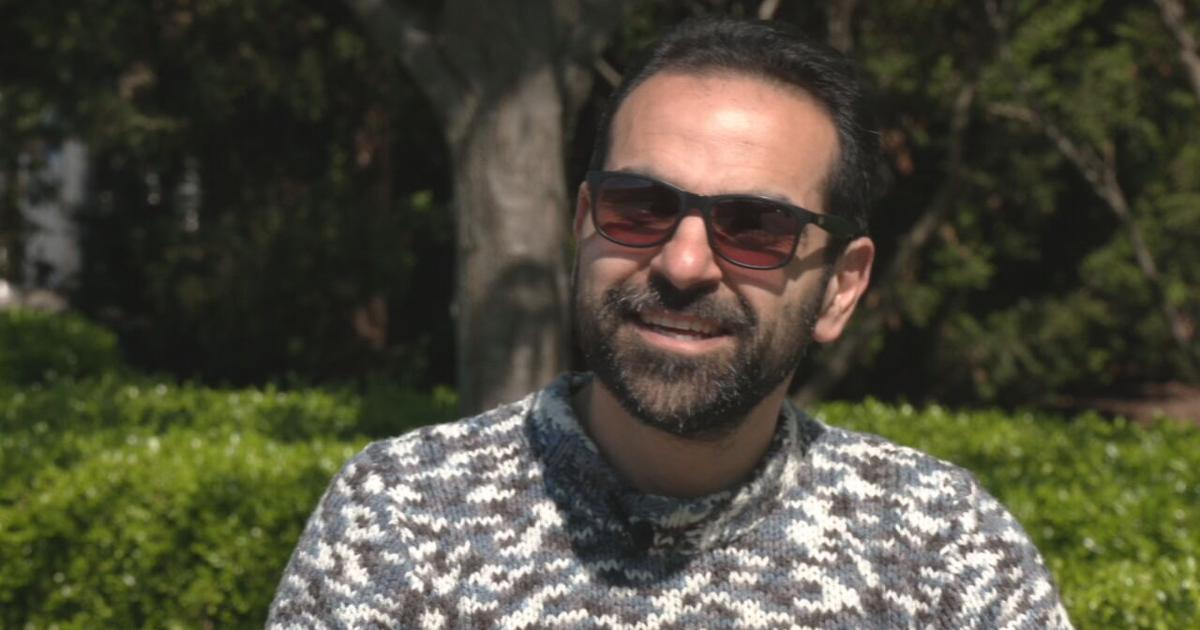
LOUISVILLE, Ky. — Naim Tolkian, who grew up in a small town in rural Iran, reflects on the profound sense of freedom he has found in America, a freedom that allows him to contribute even in small ways, such as funding a park bench. This freedom felt unattainable in his homeland.
Pursuing the American Dream
Tolkian relocated to the Louisville area about 15 years ago, thanks to the support of his employer. Today, he is an American citizen, but his life began in a village located approximately 300 miles from Tehran, a region known for its rich history in horse breeding.
The Quest for Religious Freedom
In seeking what he describes as the American Dream, Tolkian prioritizes the ability to practice his religion freely. As a member of the Baha’i faith, a minority in Iran, he faced the potential for life-threatening consequences due to his beliefs.
Celebrating Freedom Through Community Contributions
Motivated by the newfound freedoms he enjoys, Tolkian and friends organized fundraising efforts to install a park bench near the entrance to the Big Four Bridge in Jeffersonville. He views this modest act as a tangible representation of goodwill—something that would have been impossible in his native country.
The Stakes of Religious Expression in Iran
Tolkian emphasizes that discussing or practicing one’s faith openly in Iran can lead to severe repercussions. He believes that if he had engaged in a similar conversation in Iran, both he and the reporter would have faced significant danger.
Advocating for Detainees in Iran
Using Google Maps, Tolkian points to his childhood neighborhood, where many family and friends still reside. Some have recently been detained by the Iranian government, and he is working to advocate on their behalf.
Challenges of Communication and Connection
Communicating with his parents has become increasingly challenging. Internet access in Iran is severely restricted, and phone calls are often short and infrequent. Tolkian mentions that he can only manage to connect via landline every couple of weeks, with calls lasting merely a minute or two.
A Commitment to a Better Future
Despite the obstacles he faces, Tolkian has no intention of returning to Iran. Yet, he remains open to the possibility of returning if the political landscape shifts, expressing a desire to help rebuild his homeland. He emphasizes that in the United States, opportunities for education, travel, and economic freedom are invaluable—opportunities that were denied to him in Iran.
Understanding the Divide Between the Iranian People and Their Government
Tolkian observes a significant distinction between the Iranian populace and the country’s leaders, stating that the citizens are effectively held hostage by the regime. He expresses concern that without meaningful change, Iran could become even more isolated. Nonetheless, he is grateful for the life he has carved out in the U.S. and for the freedom to speak candidly.
