


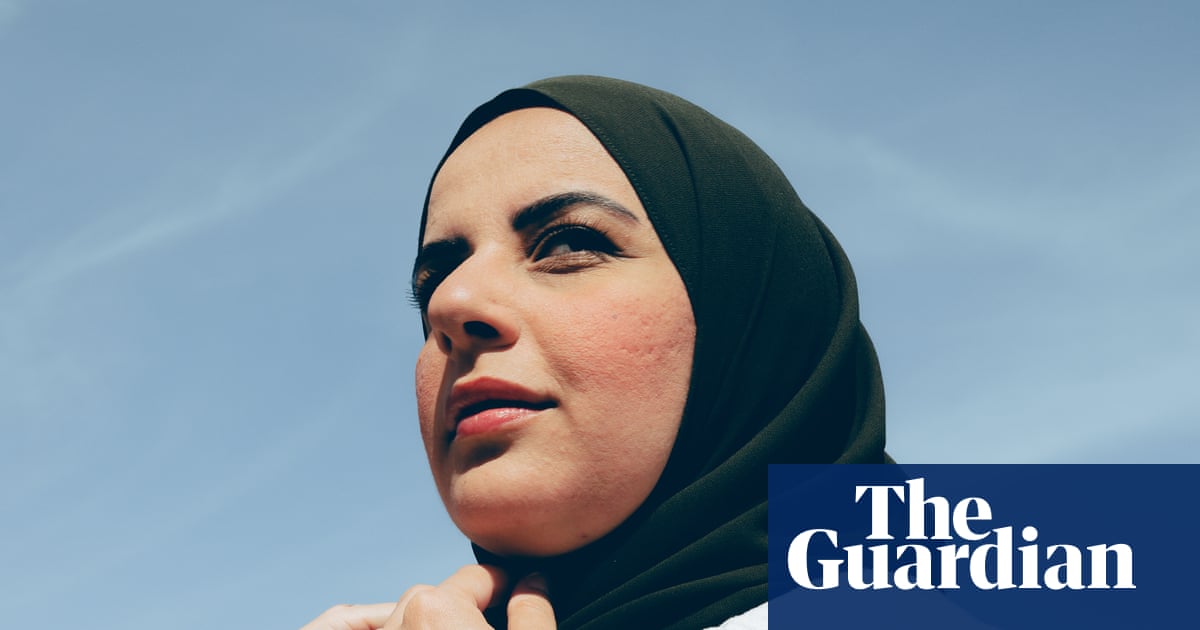
Palestinian Woman Draws Parallels Between Immigration Detention and Life Under Occupation
Requa Cordia, a Palestinian woman recently released from a Texas immigration detention center, expressed in an exclusive interview with the Guardian her perception of striking similarities between the treatment of individuals in Immigration and Customs Enforcement (ICE) custody and the experiences of Palestinians living under Israeli occupation.
Held by ICE after participating in a protest against Israel’s military actions in Gaza, Cordia intends to amplify her voice for Palestinian rights while also highlighting the profound humanitarian crisis surrounding immigrant detention in the United States.
Cordia reflected on her arrest during a pro-Palestinian demonstration at Columbia University in April 2024, where she was among a group detained. Although charges against her were dismissed the following day, she mourned the loss of over 200 relatives in Israeli attacks on Gaza, insisting her identity is not defined by activism, but rather as “just a Palestinian girl protesting the killing of her family.”
“Now I’m going to advocate on behalf of the women I left behind,” she shared, referring to those she shared a dormitory with at the Prairieland Detention Center in Alvarado, Texas. “I was representing my family in Palestine, and now I’m representing my family here in America…Now I have a big family.”
Two weeks post-release, Cordia met with the Guardian at a Palestinian cafe in Paterson, New Jersey, a prominent hub for the Palestinian-American community. Her release followed a ruling by an immigration judge, which marked the third instance declaring that she posed no threat and thus ordering her release on bail, spurred by growing pressure from human rights advocates and lawmakers following her hospitalization due to a seizure in custody.
Having lived in the United States for nearly ten years after relocating from the West Bank to join her U.S. citizen mother, Cordia has a pending green card application and boasts a clean criminal record. She was detained around the same time as fellow Palestinian students from Columbia University, who were released after a federal judge in Boston deemed their detention unconstitutional and intended to stifle free expression.
Harsh Conditions in Detention Reflects Past Trauma
Cordia recounted her time in ICE custody as a chilling reminder of her childhood in Palestine. One vivid memory from her youth during the Second Intifada includes waking up to Israeli soldiers pointing guns at her in her own bedroom, a scene of terror that mirrored her experiences in detention where guards dismissed pleas for help and often laughed at detainees’ suffering.
The daily humiliations faced within the detention facility were prevalent, with women crowded into rooms, often sleeping on “paper-thin” mattresses and experiencing neglect regarding their medical needs and religious rights. “It would take many days to describe the humiliation,” Cordia lamented, detailing the constant cold temperatures and inadequate facilities that left detainees feeling dehumanized.
Under constant pressure, Cordia highlighted instances of mental breakdowns and panic attacks among her fellow detainees as they struggled against the indifference of security personnel. Describing the detainment experience as akin to “trafficking,” she illustrated how frequent transfers often resulted in missed court hearings, leaving individuals in limbo.
Building Bonds Amid Adversities
Despite the oppressive conditions, Cordia remarked on the profound connections forged among the detained women. They exchanged relatives’ information to ensure families were informed during transfers or deportations. Solidarity manifested through acts of kindness, with detainees stepping up to support one another during difficult times, creating a tight-knit community amidst chaos.
Utilizing her time in detention to raise awareness about the Palestinian plight, Cordia took the opportunity to engage with other detainees and guards, sharing stories and literature, including a book by Palestinian poet Refaat Alalil. She recognized the common hardships shared among the detainees, all of whom came from backgrounds shaped by the harsh realities of conflict, struggle, and poverty.
Redefining Activism and Freedom
Cordia, who arrived in the U.S. in hopes of a freer life, now grapples with the stark realities of her situation. Although she dreams of opening her own cafe and returning to a semblance of normality, her immigration court has granted only temporary protection, while the government continues to pursue her deportation.
With her experiences pushing her towards advocacy, Cordia now believes she must express the struggles faced by those still in detention. “The least I can do is talk about what the people I left behind face every day,” she stated, showcasing her determination to champion the rights of the vulnerable, both in her homeland and in her new community in America.
