


Impact of the US-Israel-Iran Conflict on Global Energy Markets
The ongoing conflict involving the United States and Israel against Iran is creating significant turbulence in global energy markets, with widespread repercussions for economies across the globe.
African nations are particularly affected. Despite their geographical distance from the conflict, even major oil producers, such as Nigeria, are grappling with soaring oil prices resulting from Iran’s blockade of the Strait of Hormuz, a critical maritime route responsible for approximately 20 percent of the world’s oil supply.
This disruption has driven oil prices above $100 per barrel, putting economic pressure on both oil-importing and oil-producing countries. According to the International Energy Agency (IEA), this situation has triggered one of the most severe supply disturbances in the history of the global oil market. Oil flow through the Strait has plummeted from about 20 million barrels per day before the conflict to nearly zero.
At the same time, Gulf producers have reduced their output by at least 10 million barrels per day, worsening the supply crisis and forcing nations to urgently seek alternative solutions.
Despite efforts to stabilize the market, including the coordinated release of 400 million barrels by IEA member states from emergency stockpiles last month, global oil prices remain elevated.
Nigeria’s Economic Strain
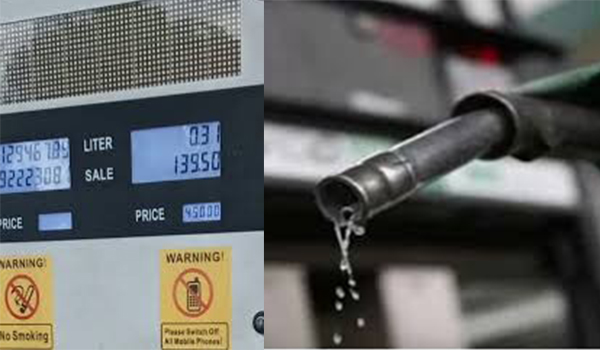
Since hostilities intensified on February 28, petrol prices in Nigeria have surged, mirroring global oil price trends. Consumers are already feeling the impact of this supply shock.
In major urban centers, gasoline prices have soared by more than 25%, compounding the existing cost of living crisis that many Nigerians have experienced since the end of fuel subsidies earlier in 2023.
Previously averaging around 870 Naira per liter, retail petrol prices are now exceeding 1,361 Naira per liter in various regions. Current data shows that as of March 30, petrol in Nigeria was priced at an average of 1,270 Naira ($0.916) per liter, in contrast to the global average of 1,989.99 Naira.
Further comparisons reveal that petrol in Nigeria is more expensive than in several African countries, including Ethiopia ($0.842), Niger ($0.875), and Libya ($0.023), even though Nigeria is the continent’s largest oil producer.
Countries such as Saudi Arabia, Oman, and Russia also offer lower petrol prices. The Dangote Refinery, a key supplier in Nigeria, has adjusted its petrol prices multiple times, contributing to an overall increase of about 30%.
These frequent price adjustments exacerbate inflationary pressures and elevate transportation costs. In response, the Nigerian government is rapidly advancing the distribution of compressed natural gas (CNG) vehicle conversion kits as a more economical fuel alternative.
Optimism Amidst Economic Challenges
As a prominent oil producer, there is cautious optimism among analysts regarding the potential for increased revenue for Nigeria due to higher oil prices. This surge may bolster Nigeria’s foreign exchange reserves and enhance fiscal stability.
With Brent crude trading above $100 per barrel—well above Nigeria’s 2026 budget benchmark of $64.85—the federal government is likely to experience a substantial revenue boost. However, some experts warn that the benefits of these increased revenues may be offset by rising import costs and inflation.
Economics professor Stephen Oniwu notes that while the conflict poses risks, it also presents Nigeria with an opportunity to partner with Gulf producers during supply chain disruptions. Yet, he cautions that the spike in oil prices could increase production costs, affecting multiple sectors of the global economy, which in turn would tactically diminish Nigeria’s advantages.
He points out that inflation had started to decline before the conflict escalated, falling from a peak of 8.7% in 2022 to below 4% in early 2026. The war may disrupt these positive trends, potentially leading to a new era of inflation, especially as Nigeria relies heavily on imports.
Oniwu further emphasizes that while Nigeria might benefit from increased oil revenues, the absence of a robust framework to channel this windfall into productive investments—similar to the $12 billion windfall observed in 1991—raises concerns about how effectively these funds will be utilized.
Global Responses to the Energy Crisis
As the crisis deepens, nations worldwide are implementing a blend of fiscal, regulatory, and energy policies aimed at cushioning the burden on their citizens.
In Africa, countries like Ethiopia have rolled out targeted fuel subsidies, while others are imposing price caps to stabilize the market. In Nigeria, government efforts are concentrated on securing crude oil supplies for domestic refining.
There’s also a growing focus on promoting alternative energy sources, particularly CNG, as a more affordable option. Some governments are considering transportation subsidies to mitigate sudden fare hikes.
In Europe, nations such as the UK and the Netherlands are maintaining previous fuel tax breaks to keep pump prices manageable. Conversely, Asian nations like Bangladesh have limited daily fuel purchases to curb panic buying, while China has placed restrictions on fuel exports.
Indonesia is committing billions to energy subsidies, and both South Korea and Hungary have imposed price caps on gasoline and diesel to maintain affordability.
Despite these measures, experts caution that the disruption could have long-lasting consequences for African economies, particularly given that around 40 of Africa’s 54 countries are dependent on hydrocarbon imports.
Nigeria’s Sustainable Future Pathways
Experts argue that Nigeria must prioritize sustainable measures rather than reverting to high fuel subsidies. Razak Fatai, the head of research and advisory at Vestans, recommends against reinstating block subsidies, highlighting historical inefficiencies and financial burdens.
Instead, he advocates for enhancing oil supplies to domestic refineries to reduce reliance on imports and providing targeted cash support to vulnerable households. Expanding mass transit systems to alleviate commuting costs and minimizing logistics hurdles related to essential goods imports are also essential steps.
Fatai believes these measures could protect the public from immediate economic shocks while steering clear of historically ineffective subsidy systems.
As the Middle East conflict continues disrupting global oil markets, countries are increasingly striving to couple short-term relief with long-term energy strategic frameworks. For Nigeria, the challenge lies in balancing immediate economic pressures with necessary structural reforms to mitigate vulnerability to external shocks.
