


Trial Begins for Former Congressman Accused of Lobbying for Venezuela
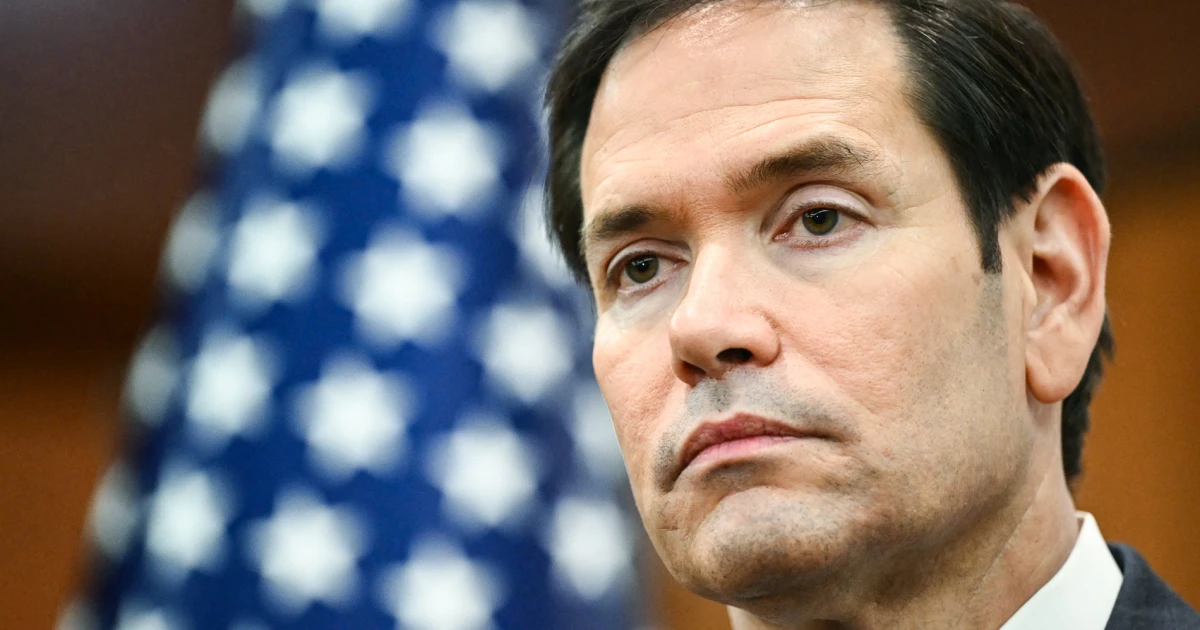
MIAMI — The federal trial of former Miami Congressman David Rivera, accused of covertly lobbying for the Venezuelan government during the first Trump administration, commences on Monday. Key testimony is expected from Secretary of State Marco Rubio, who will discuss his past interactions with Rivera, a longtime friend.
Prosecutors contend that Rivera acted as an employee for former President Nicolás Maduro, leveraging his Republican connections from his congressional tenure to persuade the White House to soften its stance against Venezuela’s socialist leadership. Rivera allegedly convinced Delcy Rodríguez, Venezuela’s then-Foreign Minister and currently acting president, to sign him onto a $50 million lobbying contract funded by the state-owned oil company PDVSA. The indictment claims he was assisted by Texas Republican Representative Pete Sessions and a convicted official from the Cali cartel as he sought meetings on behalf of Maduro with the White House and Exxon Mobil.
This trial shines a light on the complex and often murky role that Miami plays in shaping U.S. policy toward Latin America. Given Rubio’s prominence in Miami politics, his scheduled testimony addresses the allegations surrounding a former associate who is said to have facilitated Rivera’s lobbying efforts in Washington.
Scrutiny is also anticipated for Rodríguez, who utilized Rivera to organize meetings across New York, Caracas, Washington, and Dallas in pursuit of U.S. support for normalizing relations with Venezuela. Although this effort initially faltered, recent shifts in Venezuela’s leadership have reignited these discussions, albeit under varied circumstances.
In 2022, an 11-count indictment was unsealed against Rivera and his associates, charging them with money laundering and failure to register as foreign agents. Prosecutors assert that Rivera established an encrypted chat group called “MIA” (for Miami) to facilitate covert operations, involving Raul Gorin, a Venezuelan media mogul and significant intermediary for Maduro’s regime. According to the indictment, group members utilized colorful slang to disguise their discussions, referring to Maduro as a “bus driver” and the millions of dollars as “melons.”
Rivera, now 60, has denied any wrongdoing. His legal team argues that his consulting firm, InterAmerican Consulting, solely represents the U.S. subsidiary of Venezuela’s state oil company, rather than PDVSA, thus negating the need for foreign agent registration. Rivera contends that his consulting work, which aimed to position Venezuelan-owned Citgo within the U.S. energy sector, is distinct from any lobbying undertakings related to Maduro.
Unusual Testimony from Rubio
Rubio’s anticipated testimony is noteworthy as it marks the first time a sitting presidential cabinet member has testified in a criminal trial since Labor Secretary Raymond Donovan did so during a Mafia prosecution in 1983. Although Rubio has not been charged with any wrongdoing and the indictment does not suggest he acted improperly while serving as a senator, prosecutors maintain that Rivera viewed him as a crucial ally in lobbying efforts. Notably, Rivera allegedly shared contacts with Gorin that provided a back channel to Caracas amid reports of death threats against Diosdado Cabello, a leader within the Venezuelan Socialist Party.
The indictment reveals a meeting between Rivera and Rubio at the senator’s Washington residence on July 9, 2017, during which Rivera indicated that he was engaged with Gorin to persuade Maduro to agree to free elections. Shortly thereafter, as Rubio was preparing for a meeting with President Trump, Rivera texted that the U.S. should actively support a reconciliatory settlement in Venezuela.
Subsequent support efforts were quickly dismantled following the imposition of sanctions on Maduro by President Trump, who labeled him a “dictator” and initiated a “maximum pressure” campaign to remove him from power. Rubio utilized media channels to broadcast messages aligned with the White House’s agenda during this period.
The indictment also outlines a series of meetings arranged by Rivera and Gorin with Rodríguez and Sessions, aimed at reviving Exxon’s involvement in Venezuela’s oil sector. Although discussions were intended to resolve a long-standing investment dispute, they ultimately fell through, as Exxon declined to participate. Prosecutors assert that Rivera and Sessions even facilitated clandestine communications, including delivering a letter from Maduro to Trump.
Before entering Congress in 2010, Rivera had a controversial political profile, including allegations regarding his involvement in funding Democratic Party spoiler candidates. While investigations have previously surrounded him, they have largely been dismissed as politically motivated, and his legal troubles continue to evolve as the trial unfolds.
