


Global Reach of Horse Racing
Horse racing ranks among the most competitive sports worldwide, compelling many elite equine athletes to traverse extensive distances in pursuit of substantial earnings. This reality is exemplified by the recent emergence of Japanese runners in betting lineups for the prestigious Kentucky Derby.
The Logistics of Horse Transport
This brings to light a common question for newcomers to the sport: how do horses manage to travel such long distances for competitions? Unlike humans, horses cannot simply board a plane and show their passports. So, how does horse transport operate logistically?
Preparations for International Travel
The boarding process for horses destined for international competition begins months in advance. Each horse must undergo a thorough veterinary examination, receive up-to-date vaccinations, and complete a two-week quarantine period. The specifics of this quarantine vary based on the horse’s ultimate destination, with regulations for flights to Australia differing from those heading to the United States. Additionally, trainers must secure the necessary export permits, health certificates, and customs clearances to ensure a smooth journey.
Luxury in Flight
Horses are pampered during air travel, albeit in a manner distinct from human passengers. Unlike charter flights for people, major airlines such as Emirates, KLM, and FedEx provide specialized cargo services tailored for equine transport. This service extends beyond horse races, accommodating horses traveling for events like the Olympics.
Travel Gear for Horses
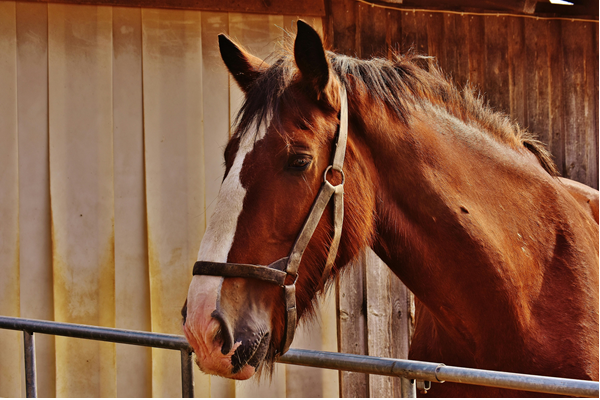
While humans often deliberate on their travel attire for comfort during long flights, horses don’t have that luxury. Nevertheless, they are outfitted in customized travel gear designed to ensure safety and comfort. Padded boots and bandages protect their legs, while horses with less experience in the air wear full-coverage boots for additional support. A quick-release halter is also attached to each horse’s head to facilitate quick movement in case of emergencies.
Cargo Plane Considerations
As previously noted, horses travel in cargo planes, which are designed quite differently from commercial airplanes. Among these specialized aircraft, the well-known Air Horse One stands out, serving as transport for Team USA’s equine athletes at the Olympics. Inside these planes, each horse occupies a custom-built stall, and stable staff are permitted seating primarily for supervision during the flight. The horses are positioned carefully within the hold, which is maintained at cooler temperatures to enhance comfort and prevent overheating of the metal stalls.
Post-Flight Adaptation
Research by Dr. Barbara Murphy highlights that horses can experience jet lag upon arrival at their destination, with effects lasting up to 24 hours. Once disembarked, horses face a quarantine period of several days and will undergo veterinary examinations. Health inspectors monitor the horses daily leading up to important events on their schedule, ensuring that as they acclimate to their new surroundings, they are prepared for optimal performance.
