


The Impact of Recent Military Actions in Southern Lebanon
With the destruction of infrastructure and widespread displacement, the situation in southern Lebanon has become dire. More than 1 million residents have been evacuated due to escalating military action, and Israeli control of significant territories appears to be aimed at being indefinite.
Growing Humanitarian Crisis Amid Conflict
Recent announcements from Israeli Defense Minister Yisrael Katz indicate a troubling trajectory for the region. Katz has stated plans to create a “safe zone” in southern Lebanon, which entails the takeover of crucial river crossings and the forced displacement of hundreds of thousands. Aid workers on the ground are reporting a rapidly deteriorating humanitarian situation, marked by increasing destruction and a rising death toll.
Military Strategy Drawing Parallels to Gaza Operations
Katz has drawn comparisons between the current offensives in southern Lebanon and Israel’s military actions in Gaza, specifically referencing the border city of Rafah, which has faced significant devastation over the past two years. Families displaced from southern Lebanon may find it impossible to return until perceived threats from Hezbollah, a group backed by Iran, are neutralized.
Escalation of Military Operations
The Israel Defense Forces have confirmed an expansion of military efforts in southern Lebanon, citing the need to increase the “security zone.” This escalation involves additional troop deployments and targeted ground operations. Satellite images have shown the fortification of previously established military bases, indicating a significant buildup of forces in the region.
Devastation and Rising Casualties
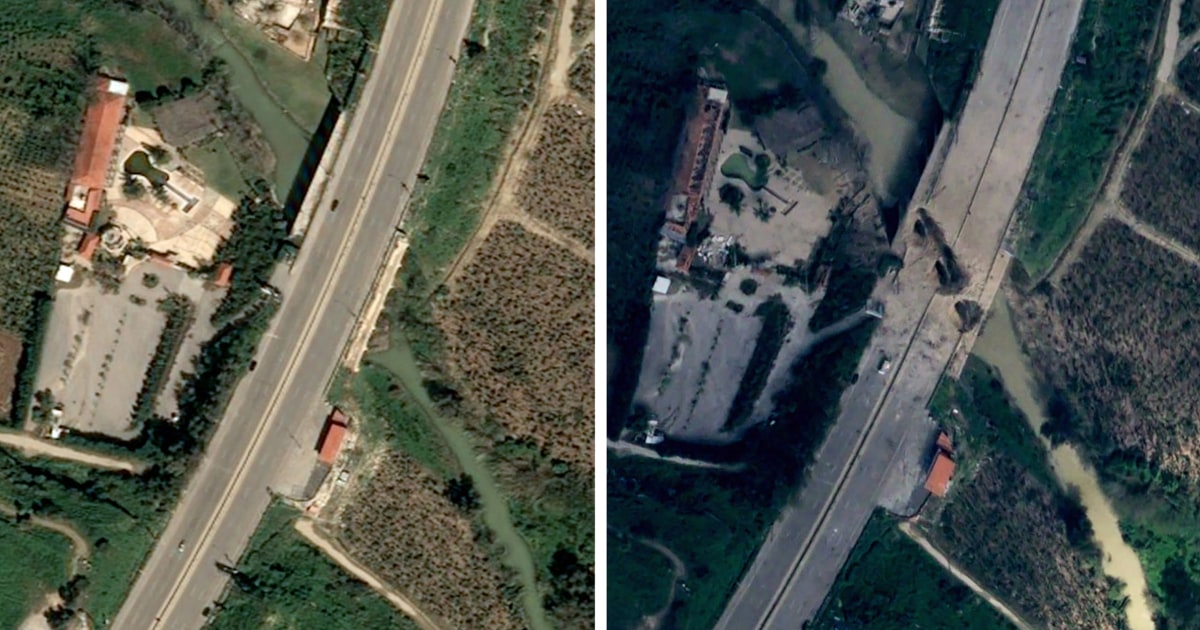
Satellite imagery analyzed by NBC News reveals that at least seven bridges across the Litani River have been targeted in recent military actions. These structures are critical for maintaining connections within the country, and their destruction adds a layer of complexity to the already fragile situation. Humanitarian organizations are sounding alarms about the potential for entire neighborhoods to be obliterated, with UN Secretary-General António Guterres urging both Hezbollah and Israel to halt hostilities.
International Humanitarian Concerns
Human rights activists have raised concerns about potential violations of international humanitarian law amid the ongoing conflict. Kenneth Roth, a former executive director of Human Rights Watch, highlighted that civilian properties are being damaged without indication of their military use by Hezbollah. Additionally, allegations of Israel utilizing white phosphorus in civilian areas have been met with denials from the Israeli military, although discussions around the legality of its use continue.
The Broader Implications of Extended Occupation
The fears surrounding a long-term Israeli occupation of southern Lebanon have intensified, particularly among Israeli and Lebanese officials. Calls for a permanent military presence in the area, citing security benefits, have raised concerns that history may be repeating itself. Previous occupations have left deep scars, and the ongoing conflict with Hezbollah complicates any potential resolution. The struggle for stability in the region remains fraught with challenges, compounded by the humanitarian toll that continues to rise.
