


At HealthyAfrica, we provide a daily roundup of significant news stories that we are closely monitoring but have not covered in detail. These brief updates highlight events across the continent, encompassing areas such as culture and politics. To explore more local stories, visit our dedicated news pages.
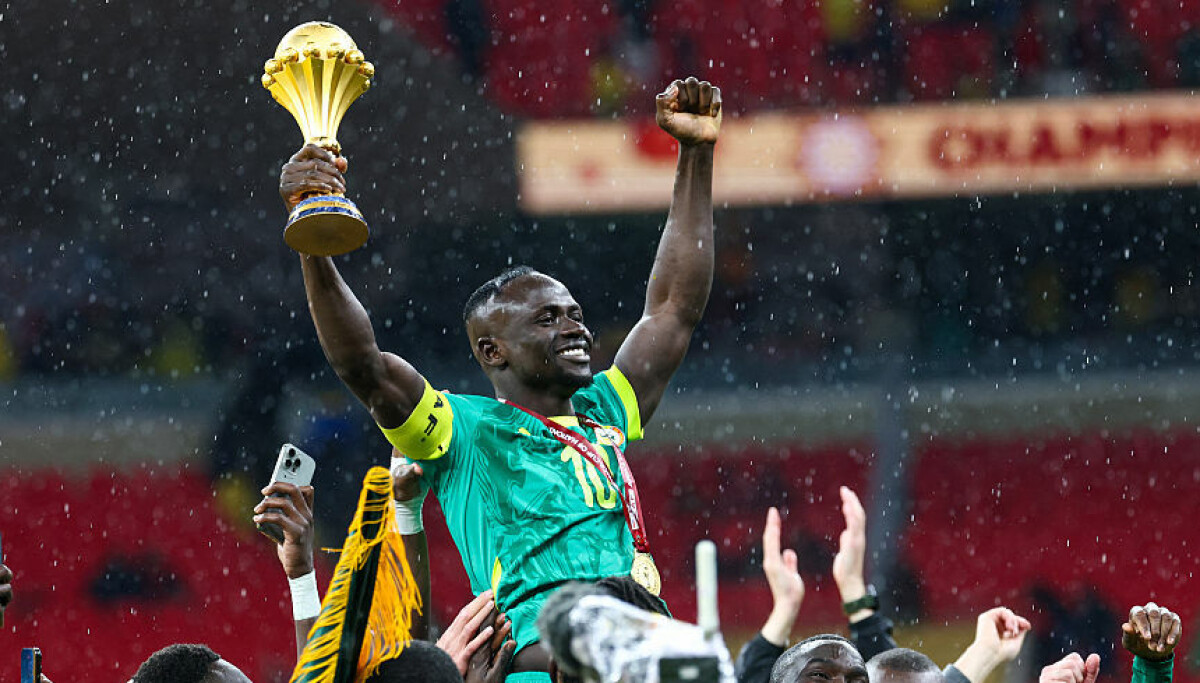
Senegal Celebrates AFCON Trophy Parade Despite Title Controversy
In a dramatic twist, Senegal is set to celebrate its African Cup of Nations victory with a trophy parade in Paris on Saturday, March 28, prior to a friendly match against Peru. Despite initially defeating Morocco 1-0 in the final, Senegal’s victory was declared forfeited when players briefly left the pitch in protest over a contentious penalty decision. Following an appeal from the Moroccan Football Federation, the Confederation of African Football’s (CAF) Appeals Committee ruled in favor of Morocco, citing regulations on teams abandoning matches.
Senegal has appealed this decision to the Court of Arbitration for Sport, which has stated that it will render its verdict in due course. Meanwhile, Abdullahi Fall, President of the Senegalese Football Federation, has condemned the situation as “administrative robbery” and is calling for an investigation into potential corruption within CAF. As tensions rise, Senegal remains steadfast, refusing to relinquish the trophy as the parade plans go ahead.
Namibia Cuts Fuel Taxes Amid Rising Oil Prices
In response to soaring fuel prices spurred by global oil market disruptions tied to the Iran conflict, Namibia has announced a temporary 50% reduction in fuel taxes. This measure will remain in effect for a minimum of three months, aiming to protect consumers from escalating costs at the pump, according to the country’s energy minister. Shipping complexities through the Strait of Hormuz, a key passage for about 20% of the world’s oil and gas supply, have heightened pressures on import-dependent nations like Namibia.
The government anticipates that even with price increases of 2.50 naira ($0.15) per liter for gasoline and 4.00 naira ($0.23) per liter for diesel in April, it can counteract volatility in fuel prices through the National Energy Fund. Currently, Namibia relies entirely on imports for refined fuels, consuming approximately 100 million liters monthly. Authorities are urging the public to refrain from panic buying as they work to stabilize supplies, reassured by current stocks adequate to meet demand for one to two months.
Morocco Prepared to Host WAFCON Despite Postponement
Following the unexpected postponement of the 2026 Women’s African Cup of Nations (WAFCON) from March to July 25-August 16, Morocco’s readiness to host the tournament remains undiminished. Despite CAF’s vague explanation of “unforeseen circumstances” and previous consultations with FIFA and other partners, Moroccan officials assert that the country can accommodate the event at any time. However, speculation grows regarding the reasons behind the delay, particularly in light of Morocco’s crowded football calendar.
Somali Children Face Critical Malnutrition Amid Worsening Hunger Crisis
Aid workers report that many vulnerable children in displaced persons camps in southern Somalia are now too weak to cry, as prolonged drought and cuts in aid intensify the hunger crisis. In Drouz Radan camp, where approximately 4,500 families have sought refuge, residents have arrived with few resources after devastating rains destroyed their crops and livestock. The United Nations Children’s Fund (UNICEF) warns that around 6.5 million people in Somalia face severe hunger, with projections indicating that 1.84 million children under five may experience acute malnutrition by 2026.
Global disruptions, including the Iran conflict, are hindering supply routes and increasing fuel costs, complicating the delivery of essential aid. Shipping costs could escalate by as much as 60%, jeopardizing $15.7 million in humanitarian supplies. With over 400 health centers shuttered in the past year due to budget cuts, communities are increasingly isolated, heightening the risk for children already at their breaking point.
Tanzania Reports Fatal Landslides Linked to Heavy Rains
Tragic landslides in southern Tanzania’s Mbeya region, caused by severe rainfall early Wednesday morning, have claimed at least 20 lives. Authorities warn that damage costs are likely to increase as additional rain is forecasted. This disaster highlights the ongoing vulnerability of communities in East Africa to extreme weather events, as similar conditions have resulted in major flooding in Kenya and landslides causing fatalities in Ethiopia. Forecasts suggest above-average rainfall for much of the region, raising concerns of worsening conditions.
France Invites Kenya to G7 Amid Tensions Over South Africa’s Inclusion
In a response to mounting pressure from the US, France has clarified that South Africa will not be excluded from the upcoming G7 summit. Reports indicated that the US threatened a boycott over South African President Cyril Ramaphosa’s attendance. However, French officials assert that the decision to invite Kenya instead arose from discussions among G7 members, coinciding with President Emmanuel Macron’s imminent visit to Nairobi. South African authorities were informed of the changes approximately two weeks ago, and while Ramaphosa downplayed the implication of pressure, tensions between Washington and Pretoria persist.
Cholera Supplies Stalled Amid Logistical Challenges Related to Iran Conflict
Logistical issues stemming from the Iran conflict are delaying emergency cholera supplies bound for several African nations, including Chad, Sudan, and South Sudan. Aid organizations, including the World Health Organization and the Red Cross, are facing significant backlogs that may compel them to resort to costly air transport options—potentially increasing expenses by 70%. These supplies are crucial for establishing treatment centers and preventing outbreaks during the rainy season when cholera typically surges.
Health officials warn that even a short delay could have grave implications, especially in nations that heavily depend on imports for medical supplies. Last year saw over 600,000 cholera cases globally, and while figures have decreased in 2026, refugee camps in eastern Chad are already under strain, with available medical resources insufficient to treat the anticipated number of infections.
Mass Grave Discovery in Kenya Raises Legal and Ethical Concerns
Authorities in Kenya recently revealed that at least 33 bodies exhumed from a mass grave in Kericho were transferred from Nyamira District Hospital, leading to questions regarding the legality of their disposal. Investigations have uncovered eight adult bodies, 25 children, including unborn infants, and dismembered remains packaged in drug bags. An autopsy is currently underway to ascertain the causes of death, and at least two individuals have been arrested in connection with the case. This incident marks Kenya’s third mass grave case in three years and has reignited concerns about extrajudicial killings.
Escalating Conflict in Eastern Congo Poses Greater Threats to Civilians
The United Nations has expressed urgent concern over escalating violence in the eastern Democratic Republic of Congo, marked by increased use of heavy weaponry and drones that endanger civilian lives. UN special envoy Vivian van de Pere reported to the Security Council that clashes between the Rwandan-backed M23 rebel group and the Congolese army have spread through North and South Kivu provinces, edging closer to the Burundi border and heightening fears of regional instability. The conflict has also extended to Ituri and Tshopou provinces, complicating humanitarian access as M23 establishes control over regional areas.
DR Congo Strengthens Mining Alliances with China Amid Global Resource Competition
The Democratic Republic of Congo has cemented a new agreement with China to enhance cooperation in the mining sector, as global powers compete for access to essential minerals critical for electric vehicles and renewable energy technologies. As the world’s largest cobalt producer and a country rich in copper, lithium, and coltan, Congo is a significant player in this arena. The pact aims to share geological information, safeguard investments, and promote local processing of raw materials, while ensuring compliance with Congolese law. This move comes as the U.S. also seeks partnerships for resource acquisition, demonstrating Congo’s strategic position in the global minerals landscape.
