


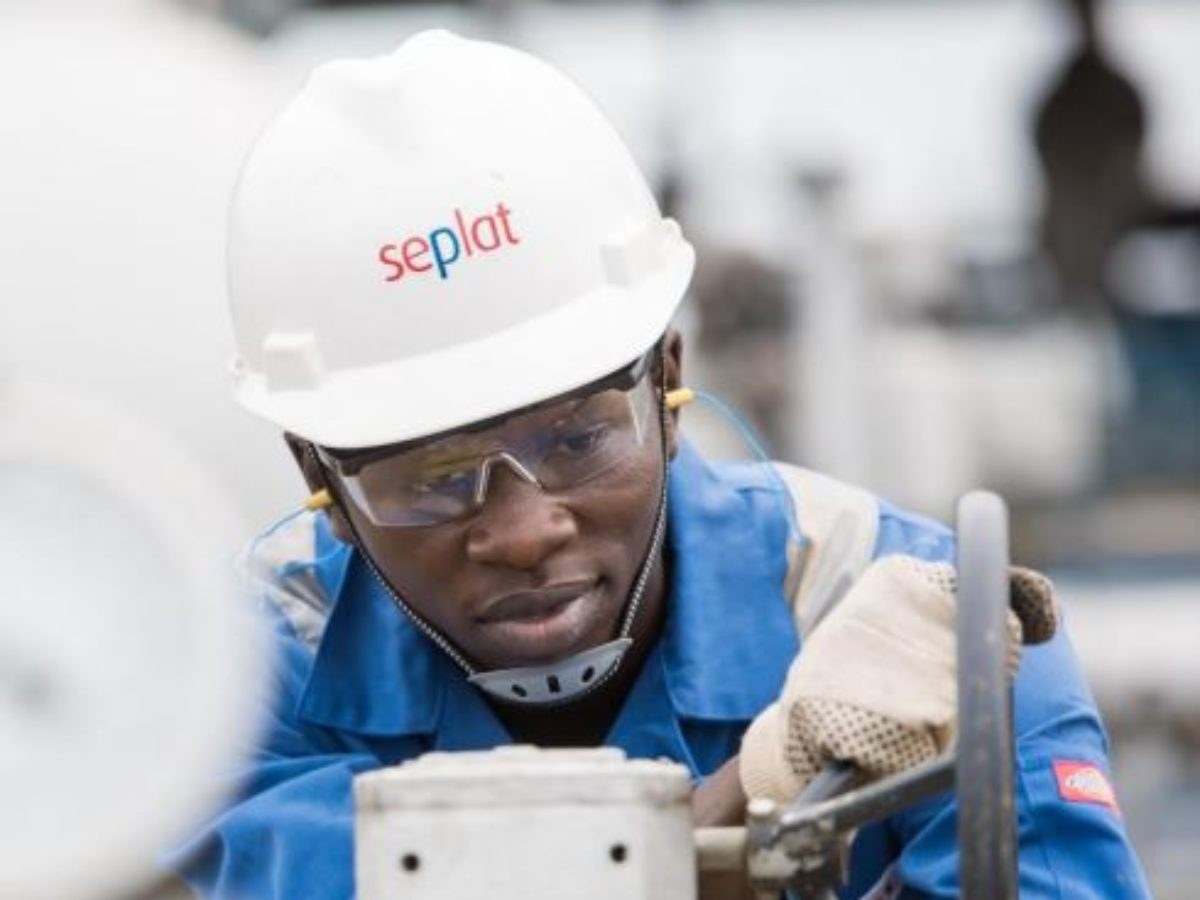
Seplat Energy Workers Initiate Indefinite Strike
Workers at Seplat Energy began an indefinite strike on Friday, a development that could significantly impact production amid escalating global oil prices and increasing pressure to enhance supply to Nigeria.
Union Support and Breakdown in Negotiations
The workers, backed by the Petroleum and Natural Gas Senior Staff Association of Nigeria (PENGASSAN), initiated the strike after negotiations regarding the 2026 collective agreement collapsed, alongside a host of welfare issues that remain unresolved. The union formally communicated its concerns through two letters addressed to the company’s chief executive, as reported by Reuters.
The union declared that the strike would persist “until further notice,” emphasizing its determination to address the outstanding issues.
Seplat’s Response and Operational Impact
As of the time of this report, Seplat Energy had not released an official statement regarding the strike. However, PENGASSAN indicated that member companies should rein in operations, including production reporting and export activities, while only maintaining critical safety and power functions during the strike period.
Scope of the Strike
This industrial action affects both onshore and offshore assets, as well as all joint venture operations and offices nationwide. Notably, younger workers represented by another union have chosen not to participate in the strike.
Company Performance Amidst Strikes
The strike comes on the heels of Seplat’s strong operational performance in 2025, where the company reported a remarkable 150.4 percent revenue increase, reaching N4 trillion, attributed to significant production expansion and enhancements to its offshore operations. Average daily production surged by 148 percent to 131,506 barrels of oil equivalent per day (boepd), accounting for roughly 7-9 percent of Nigeria’s total liquid production. Onshore production experienced a 14 percent rise, bolstered by upgrades to the Sapele gas plant, which raised throughput to 90 million standard cubic feet per day.
Profit Growth Challenges
Despite the substantial sales growth, the company has faced challenges with rising costs, notably high tax obligations that have limited profit expansion. Seplat anticipates production will further increase to 155,000 barrels per day, underscoring the potential consequences of a drawn-out strike.
CEO Insights and Future Plans
CEO Roger Brown stated that the firm has enjoyed significant successes from several key offshore operations, reinforcing Seplat’s status as a leading offshore operator and showcasing the strongest onshore production performance in recent history. He also highlighted that drilling remains a pivotal aspect of the company’s long-term growth strategy, with plans to launch its first jackup drilling rig in the third quarter of this year.
Shareholder Returns and Global Context
Seplat, which is dual-listed on the Lagos and London stock exchanges, recently announced a fourth-quarter dividend of 5 cents per share, alongside a special dividend of 3.3 cents. Brown noted the company’s objective of distributing $1 billion in cumulative profits to shareholders by 2030. This strike occurs against the backdrop of ongoing geopolitical tensions in the Middle East and tight global oil supplies, potentially exacerbating the situation in Nigeria if the disruption continues. As a major supplier of gas to power generation companies across the country, continued interruptions could worsen the nation’s power supply challenges.
