


Controversy Surrounds JAMB in Benue State
For weeks, I hesitated to delve into the enigmatic situation surrounding the Joint Admissions and Matriculation Board (JAMB) in Makurdi, Benue State. My reluctance was fueled by uncertainty about how to approach the topic—would I be met with hostility or apathy? JAMB has long been scrutinized for its role in facilitating access to higher education for eager Nigerian students. As it stands, the institution grapples with a tarnished reputation that it struggles to uphold. With a reported score of 100 out of 400 viewed as sufficient for admission, there’s a growing concern that this system might be contributing to a troubling trend in graduate quality.
Irregularities in Scratch Card Sales Highlighted
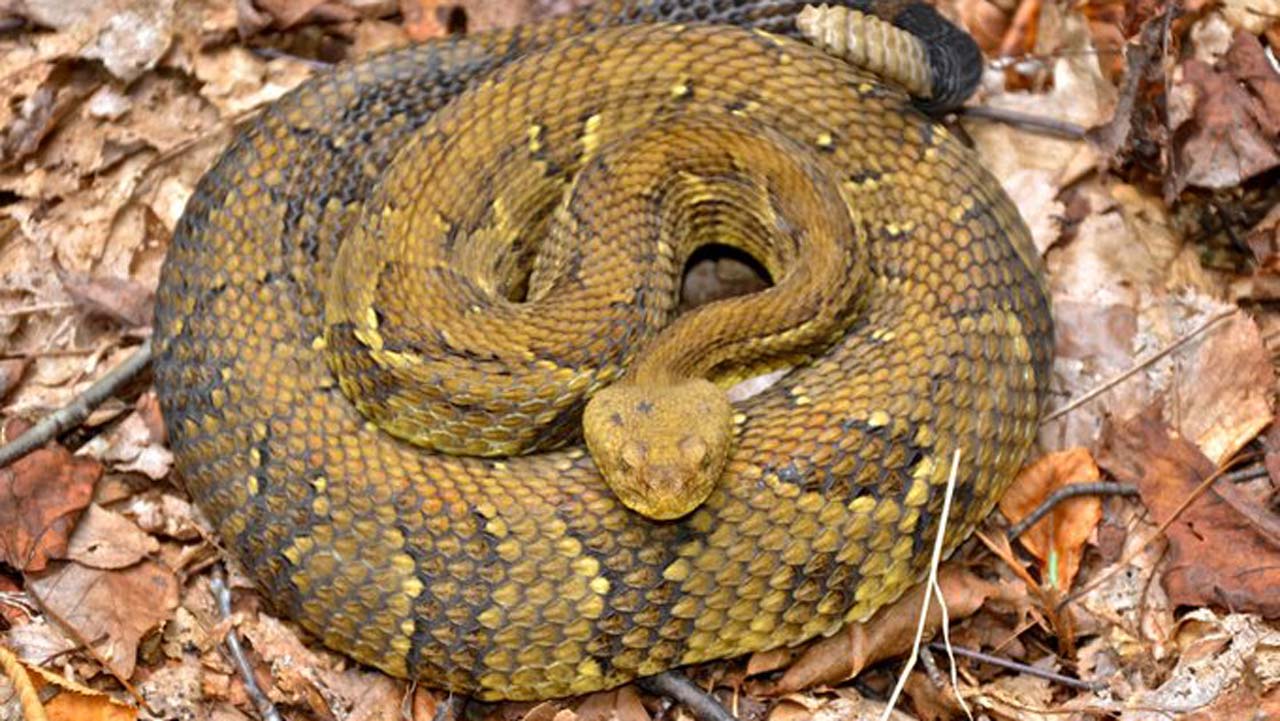
Upon taking office, the new Registrar of JAMB, Professor Ishaq Oloyede, sensed potential malfeasance and promptly called for an audit of scratch card sales across the nation. In Benue State, an intriguing narrative emerged: Madam Philomena Kiesche, responsible for overseeing scratch card distributions, alleged that a giant snake had consumed N36 million she had stored. The lack of detail about the denominations left many speculating, and some believe that the snake’s curious palate was drawn to the distinctly-designed 1,000 Naira note, which features two prominent figures from Nigeria’s history.
Historical Context of Snakes in Nigeria
Snakes have become a metaphorical figure in Nigeria’s narrative. In the past, the Power Holding Company (formerly NEPA) claimed that a snake had infiltrated their facilities, causing significant operational disruptions. Years of investment have gone into power sector improvements, yet fluctuations in service remain a common frustration for citizens.
Corruption Allegations Swirl Around JAMB
JAMB faces multiple challenges, not only in addressing public outcry from frustrated students and parents but also in confronting a wave of corruption allegations. A further complication arose when JAMB’s Nasarawa State Coordinator, Rabaran Tanko, reported that a fire incident had destroyed N23 million worth of scratch cards he was responsible for. However, inquiries revealed that these cards had not burned, but rather had been utilized by candidates for their JAMB registration—a discovery that raises serious questions about accountability.
Reflections on Past Incidents
This situation reminded me of my own experience with a fire incident back in 1983, when my reporting on governmental fraud led to an unexpected conflagration. The rapid conflation of investigative journalism and misfortune garnered public attention, highlighting the precarious relationship between media and state. The underlying issues of corruption and mismanagement continue to plague our institutions.
Symbolism of the Snake in Current Events
The recent escapades of the proverbial snake serve as a metaphor for greater societal issues. Reports of hidden funds in unorthodox locations such as cemeteries and bunkers illustrate a creative yet troubling approach to corruption. If this snake’s audacious acts continue unchecked, it could set a dangerous precedent, drawing others into a cycle of financial corruption that risks economic stability.
Implications for the Future
The implications of this incident extend beyond mere numbers. As the nation approaches the 2019 elections, there are pressing concerns regarding electoral integrity and accountability. Observing the behavior of institutions and individuals involved in this saga is crucial, as it may signal a larger trend that compromises the democratic process. The unsettling notion of ‘snakes’ influencing elections raises alarms about potential voter manipulation—a scenario that could redefine Nigeria’s political landscape.
