


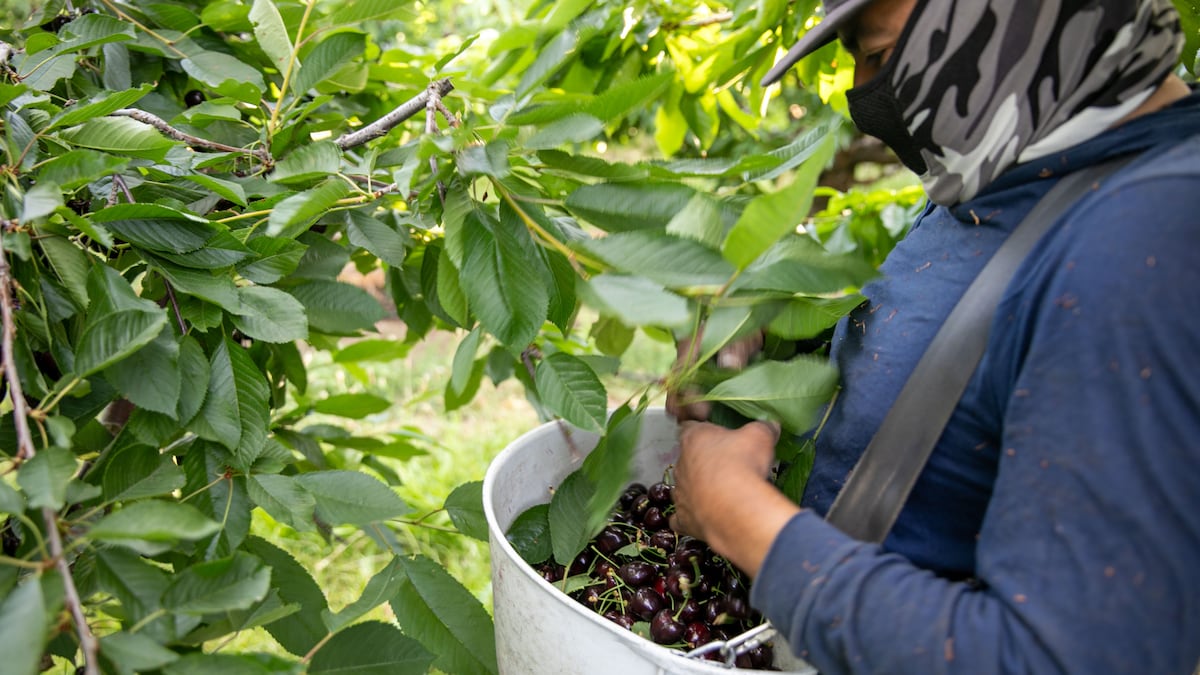
The Impact of Trump Administration Policies on Farm Labor in the U.S.
The Trump administration has streamlined the process for farmers to employ temporary foreign farm workers in the United States, making it less expensive and easier to access labor through the federal H-2A agricultural visa program. However, advocates caution that merely expanding this program will not immediately alleviate the farm labor shortages faced in the Pacific Northwest, particularly given stringent immigration enforcement measures currently in place. So far, Oregon has not witnessed a notable increase in visa applications.
Critics of the changes argue that introducing more foreign workers could inadvertently drive down wages for local U.S. farm laborers, as growers may opt for cheaper temporary workers over domestic employees.
Ongoing Labor Shortages in Agriculture
In recent months, labor shortages have been exacerbated by increased arrests of migrant workers, including a significant raid last October in Woodburn, which saw over 30 farmworkers detained. Although large-scale operations targeting farms have not been prevalent in Oregon or Washington, the heightened atmosphere of fear has made some workers hesitant to commute to work, shop for groceries, or even pick up their children from school, according to Ryan Ogburn, director of visa services at WAFLA (Workers, Farmers, and Labor Association).
The H-2A program allows agricultural employers facing domestic labor shortages to hire foreign workers, primarily from Mexico. While some farm groups suggest that the program might mitigate labor challenges and curb rising costs, the Trump administration recognizes that persistent immigration enforcement is complicating efforts to maintain a local workforce.
Financial considerations further complicate these labor dynamics. The administration has adjusted the calculations for “adverse wage rates,” which dictate how much employers must pay foreign workers. In Oregon, this change resulted in a 23% decrease in the minimum hourly wage for foreign agricultural employees, dropping it from $19.82 to $15.25. Compounding these challenges, employers are now allowed to deduct housing costs from workers’ salaries.
Legal Battles Over Worker Rights
As temporary foreign workers engage in various agricultural tasks—from nursery work to livestock management—United Farm Workers is currently launching a lawsuit against the federal government over the recent wage cuts under the H-2A program. The union argues this constitutes “the largest transfer of wealth from workers to employers in the history of American agriculture.” They are seeking to prevent the Department of Labor from enforcing these new wage rules, arguing that protecting industry profits should not come at the expense of labor rights.
Ogburn notes that while the program’s structure might seem appealing due to lower wage requirements, the financial realities—such as providing certified housing, transportation from abroad, and visa processing fees—can be burdensome for farmers. Many producers might find it more beneficial to invest in their domestic workforce rather than navigating the complexities of the H-2A program.
Concerns About the Future of Local Agricultural Workers
Some advocates express apprehension that the push for cheaper labor through the H-2A program could undermine the rights and wages of existing U.S. workers. D. Michelle Dale, senior attorney at the Northwest Workers Justice Project, highlights that the law stipulates local workers should not be overlooked in favor of foreign labor; however, enforcement of this provision is inconsistent. Evidence, such as a Clackamas County case involving illegal discrimination against a U.S. citizen in favor of an H-2A worker, underscores the potential risks of prioritization.
Despite legal protections intended for contingent workers, the realities on the ground complicate employment conditions. Many farmworkers, especially those on temporary visas, may feel dissuaded from asserting their rights for fear of retribution, leading to a workforce that is reluctant to voice concerns and more vulnerable to exploitation.
