


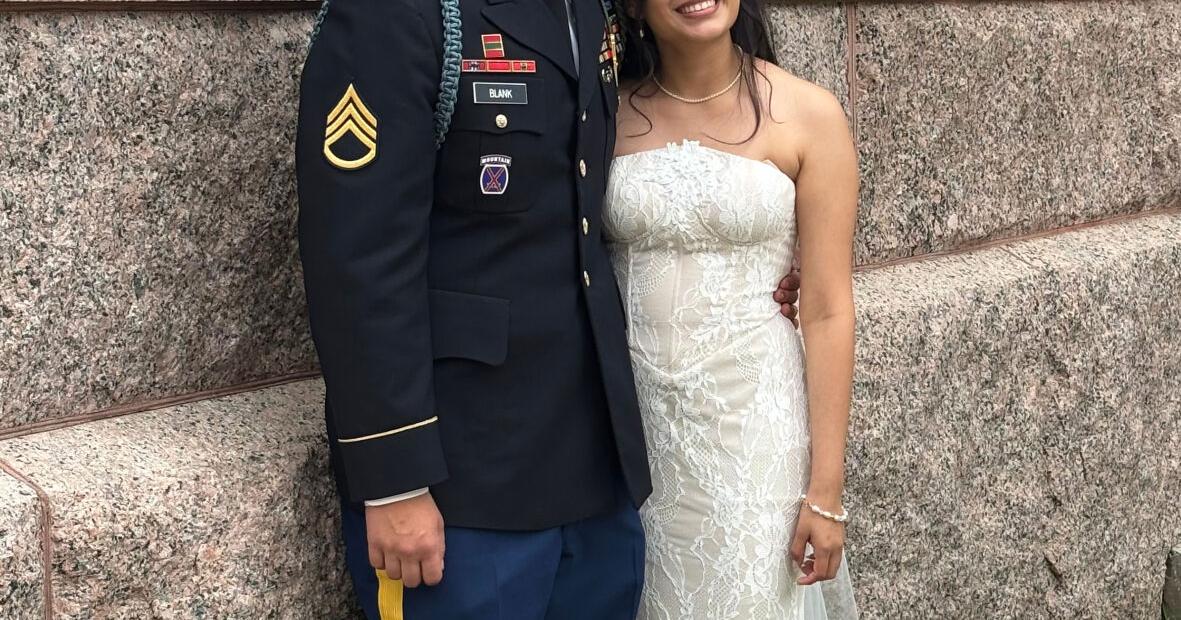
Release of Soldier’s Wife Sparks Controversy
NEW ORLEANS (AP) – Annie Ramos, a 22-year-old Honduran immigrant and the wife of a U.S. Army sergeant, was released on Tuesday from a federal immigration detention facility after spending nearly a week at a military base in Louisiana.
Public Outcry Over Immigration Policy
Ramos’ detention has drawn significant public backlash, especially from critics of the Trump administration’s immigration policies. Opponents argue that such actions not only disrupt families but also undermine morale among military personnel deployed in conflict zones.
Impact on Military Families
The controversy surrounding Ramos’ detention highlights a broader issue faced by military families who often find themselves caught in the crosshairs of immigration enforcement. Many argue that separating soldiers from their families can adversely affect their focus and performance in combat conditions.
Administration’s Stance
Supporters of the immigration policies assert that enforcing immigration laws is crucial for national security. They contend that such actions ensure that those who serve the country can do so without concerns about relatives being undocumented. This perspective fuels the ongoing debate over the balance between security and family unity, particularly within military communities.
Calls for Policy Reassessments
The incident has prompted calls for a reassessment of immigration enforcement strategies, particularly when it comes to military families. Advocates for reform are urging lawmakers to create a more humane approach that considers the unique challenges faced by service members and their families.
Support from Activist Groups
Various advocacy groups have rallied around Ramos, emphasizing her status as a military spouse. They are challenging the legal and ethical implications of detaining individuals in her situation, aiming to raise awareness about the impact of such policies on those who serve the nation.
Broader Implications for Immigration Reform
The incident not only spotlighted Ramos’ case but also underscored the need for comprehensive immigration reform that can reconcile the enforcement of laws with the values of compassion and family unity. As the dialogue continues, the implications of this situation may resonate beyond the military community, influencing public opinion and policy in the broader context of immigration.
