


In today’s update: Shipping traffic in the Strait of Hormuz has significantly decreased since the announcement of a ceasefire, a design flaw in the Artemis II spacecraft raises risks during re-entry to Earth, and a study on chimpanzee conflicts may shed light on the origins of human violence.
Here’s what you need to know today.
Shipping traffic in the Strait of Hormuz has virtually stopped
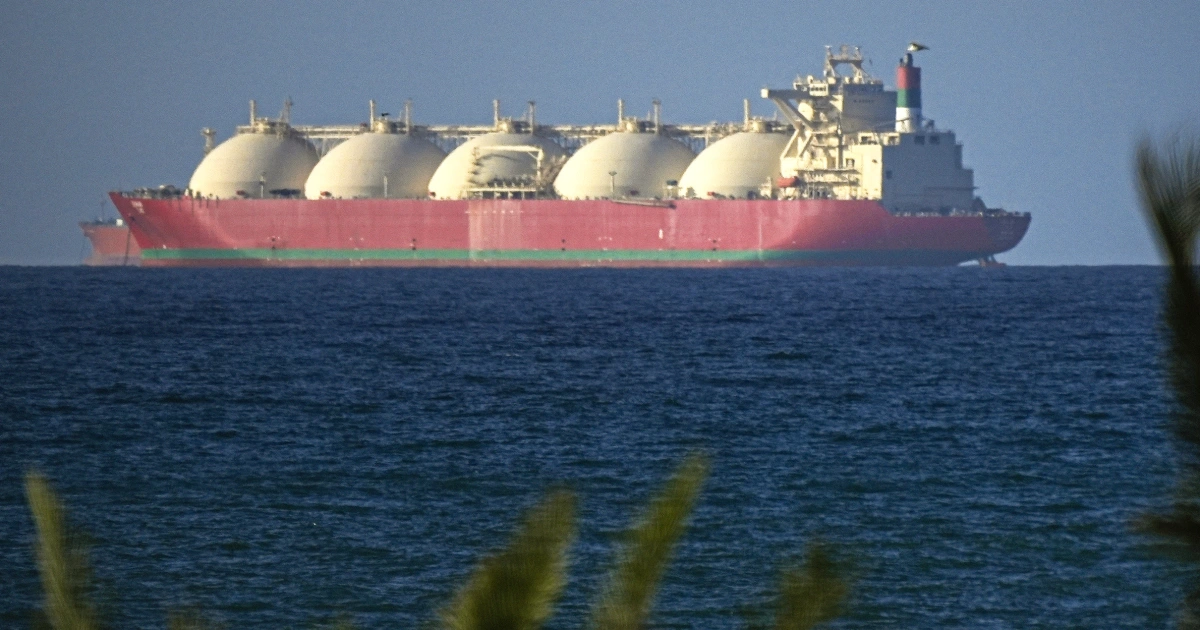
Traffic in the Strait of Hormuz ground to a halt despite assertions from the Trump administration that more ships would navigate this crucial waterway. As of Thursday, only nine vessels had crossed the strait since the ceasefire, a stark contrast to the typical flow of over 100 ships daily prior to the onset of war, according to S&P Global Market Intelligence. This slump significantly undermines claims made by President Trump about a “full reopening” of the shipping lane.
Iran’s aggressive actions during the conflict included attacks on various vessels, particularly those linked to the United States and Israel, disrupting a route responsible for transporting 20% of the world’s oil and natural gas. Regulations now require ships wishing to transit the strait to secure permits, and Iran has indicated it may impose transit fees—a policy referred to as its “toll plaza” system, raising numerous legal concerns.
The uncertainty surrounding maritime operations has left the global shipping industry in turmoil, with President Trump vocally criticizing Iran for its failure to uphold ceasefire agreements regarding trade routes.
More news about the Iran war
Meanwhile, reports from Israel indicate relentless shelling in Lebanon, subjecting the civilian population to new hardships amid growing global condemnation. President Trump expressed optimism in a recent interview with NBC News, suggesting that a peace deal with Iran could be on the horizon. However, he cautioned that failure to reach an agreement would likely lead to severe consequences. Investigative reports highlight that, five weeks into the Iran conflict, the U.S. finds itself in a less advantageous position than hoped, with estimations suggesting the war has already cost taxpayers around $28 billion—funds that could have provided significant social services.
Live Nation’s influence under scrutiny amidst antitrust claims
Amid recent antitrust allegations in New York City, Live Nation issued a rebuttal, asserting it does not operate as a monopoly nor engage in oppressive practices towards venues and artists. Internal documents obtained by NBC News, however, reveal how the entertainment powerhouse wields its influence, dictating terms to numerous artists and promoters across the industry.
The Artemis II mission’s most dangerous moment may yet to come
NASA’s Artemis II mission is making headlines as it prepares for its critical re-entry to Earth, scheduled to occur at approximately 7:53 p.m. ET tonight. This critical phase is often the most perilous aspect of spaceflight, and this time is no exception. Adding to the risk is a known defect in the heat shield of the Orion capsule, a critical component designed to protect astronauts from extreme temperatures during re-entry. This issue was first identified during the unmanned Artemis I test flight in 2022 and poses a significant threat as this mission carries a crew for the first time.
Melania Trump addresses Epstein allegations
In a rare public statement, First Lady Melania Trump emphatically denied ever having a relationship with Jeffrey Epstein or his associate Ghislaine Maxwell, responding to ongoing speculation about her connections to the late financier. Her remarks emphasize that she has never had a personal relation with Epstein and detailed prior communications with Maxwell as merely incidental. She called for congressional hearings to address the experiences of Epstein’s survivors, marking her first on-camera response to the controversy.
Inflation report reveals war’s economic impact
Wall Street analysts are surveying the upcoming consumer price index, expecting inflation figures for March to remain elevated. Forecasts suggest core inflation—excluding food and energy—could rise from 2.5% to 2.7% annually. When factoring in food and energy prices, annual inflation may increase to approximately 3.3%. However, experts note that the report won’t fully reflect the war’s economic impact as conditions continue to evolve.
Study reveals insights into chimpanzee violence
A recent study tracking the Ngogo chimpanzees in Uganda has uncovered alarming patterns of aggression and violence following a community split that mirrors aspects of human conflict. Over the past decade, the group’s cohesion has deteriorated, resulting in at least 28 deaths among chimpanzees as they engage in collective violence. Researchers believe that understanding these dynamics may provide valuable insight into the underlying causes of human violence and warfare.
