


Challenges for Student Journalists Amid Immigration Scrutiny
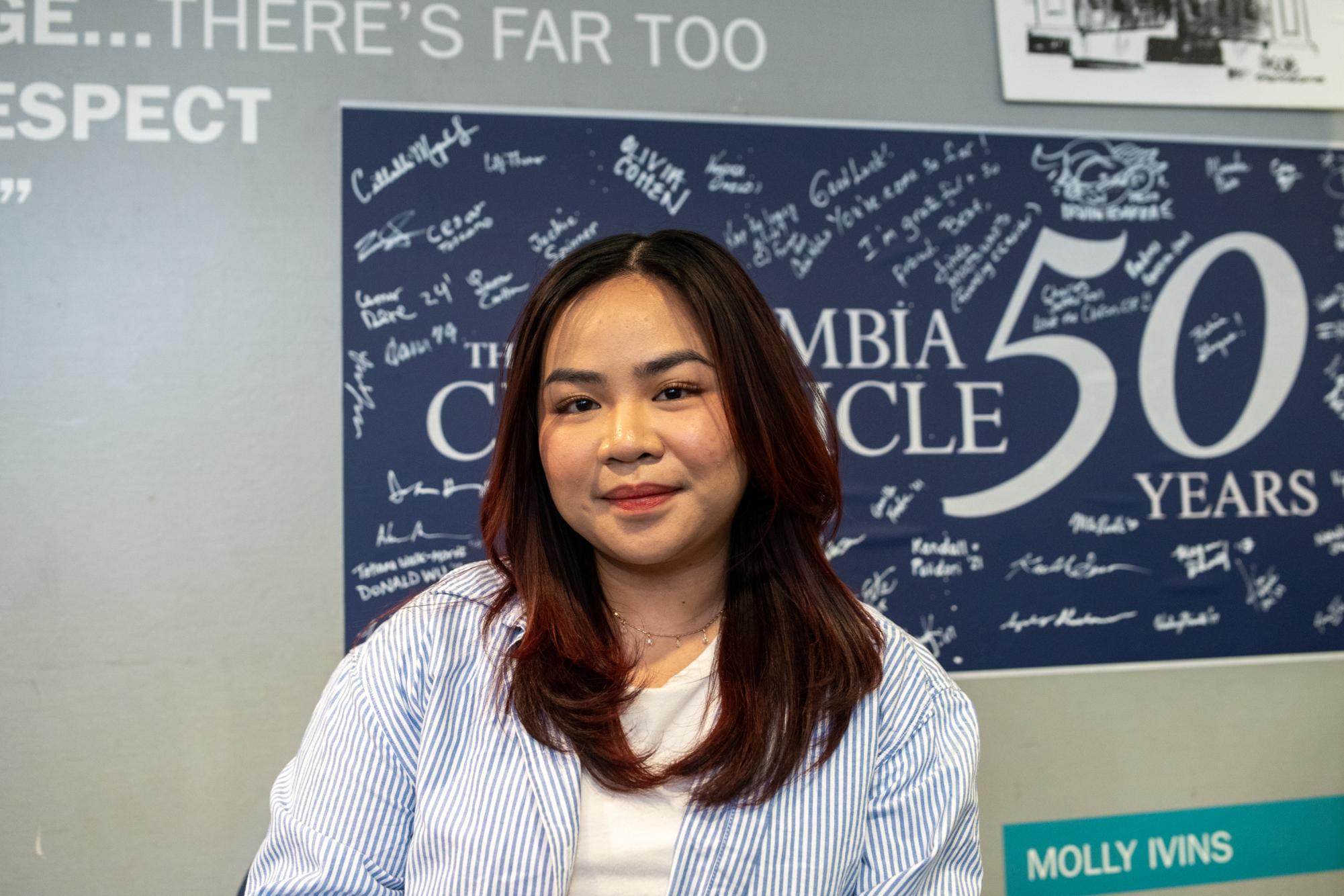
Last summer, Kate LaRoder, a senior at Columbia University in Chicago, stepped into the role of editor-in-chief for Columbia Chronicle, an independent student publication. LaRoder, originally from the Philippines, confronted unique challenges that many of her peers did not face. Concerned about the potential loss of her student visa amidst intensified immigration enforcement, she found herself navigating a complex landscape.
Increased Anxiety and Reporting Risks
LaRoder, who also serves as campus news editor, grew alarmed when the U.S. Department of Homeland Security announced heightened scrutiny of social media accounts belonging to international students. This announcement intensified her anxiety, especially following her own article addressing safety concerns expressed by international students during the Trump administration. She even contemplated removing her article from the website, fearing for her personal safety.
Impacts of Federal Actions on Student Communities
As immigration policies shift, student journalists across the country are grappling with how to report on complex issues related to both domestic and local immigration. Covering these stories often involves taking personal and professional risks, prompting them to carefully consider their reporting strategies and the implications of what they choose to publish.
Community Response to Immigration Enforcement
This year, the Minneapolis area witnessed a surge in U.S. Immigration and Customs Enforcement (ICE) activity, leading to protests and heightened community concern. Sam Hill, the editor-in-chief of the Minnesota Daily at the University of Minnesota, noted that the newsroom had prepared reporters for potential volatile conditions on the ground, as many students were personally affected by the actions of federal agents.
Continuous Coverage on Immigration Enforcement
The Minnesota Daily has maintained ongoing coverage of local ICE activities, focusing on their implications for students and surrounding communities. Other student publications, such as the Chicago Maroon, are also actively tracking federal immigration agents near campuses. Junior Sofia Oyarzun, a colleague of LaRoder and editor of La Crónica, the Spanish-language section of the Columbia Chronicle, recognizes the pervasive fears these immigration policies instill, especially in immigrant and Latino communities.
Reporting Amidst Fear and Community Responsibility
At Miami University in Oxford, Ohio, first-year student Abe Hagood, an assistant opinion editor, reflected on the challenges of documenting immigration-related stories. Although ICE presence is not pronounced around campus, Hagood noted that many international students are reluctant to share their experiences due to fear of repercussions. The Miami Student staff remains committed to protecting the identities of sources who express concerns about safety.
Advocacy and Representation in Student Media
Dominic Colletti, director of student press programs at the Foundation for Individual Rights and Expression, emphasized the broader implications of federal immigration policies, pointing out the need for better representation in student newspapers. Meanwhile, at the University of Cincinnati, the News-Record focuses on how federal policies impact international students while raising awareness within the local community. Hajira Munir, the deputy editor-in-chief, believes it is vital to address immigration issues amidst diverse viewpoints and criticisms.
