


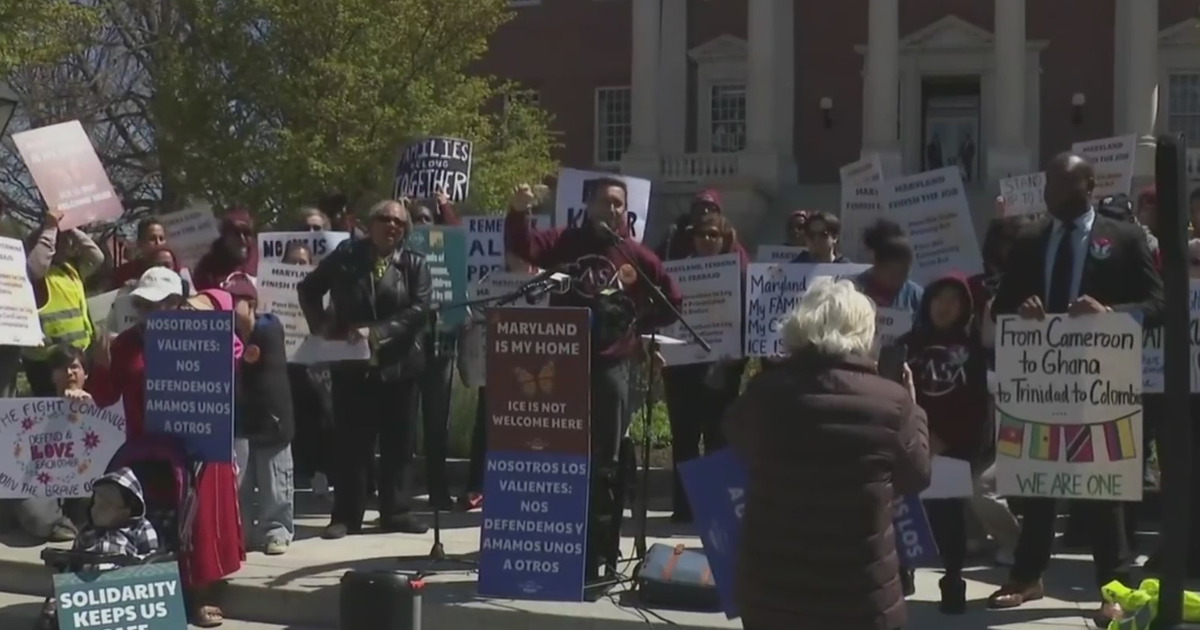
As the 2026 Maryland General Assembly session nears its conclusion, immigrant rights advocates gathered on Wednesday to rally support for a pivotal piece of legislation—the Community Trust Act. Proponents argue that this bill should be at the forefront of legislative priorities as it aims to ensure that local law enforcement agencies do not function as extensions of federal immigration enforcement.
In recent sessions, Congress has introduced various measures designed to safeguard immigrant communities amidst heightened enforcement actions from the previous administration. The Community Trust Act stands among a slew of bills that advocates hope to present to Governor Wes Moore before the Assembly’s adjournment deadline on Monday.
Importance of Building Community Trust
For nonprofit organization We Are CASA and its supporters, the Community Trust Act, like other introduced immigration legislation, is fundamentally about protecting families. One poignant example is the case of 10-year-old Evan from Baltimore County, a member of We Are CASA, whose uncle was deported to Honduras last year.
Evan shared his experience at a rally supporting the Community Trust Act held at Royers Mall. “Before he was deported, my mother took my brother and me to visit him in detention. It was a scary place. I asked my mother if she could take Uncle Mainor home,” he recounted, illustrating the personal toll of current immigration enforcement practices.
The proposed legislation would make it illegal for local law enforcement to detain individuals on behalf of Immigration and Customs Enforcement (ICE) and to share personal data for federal immigration purposes. The decision now lies with the Maryland Senate, which has until the 5th to act.
Pending Immigration Legislation
Numerous other immigration-related bills are still awaiting votes in the Maryland General Assembly. Among these is Senator Clarence Lamb’s proposal focused on data privacy, which aims to prevent companies from selling personal data for immigration-related purposes.
Additional bills seek to restrict state and local governments from permitting the construction or operation of private detention facilities without meeting specific zoning criteria. They also aim to establish minimum standards regarding the transport of detainees. These measures reflect a growing concern for legal and ethical standards in immigration enforcement.
Concerns Over Proposed Immigration Bills
Despite the enthusiasm among advocates, a number of critics have emerged regarding the various immigration bills under consideration. One prominent objection came from Harford County Sheriff Jeff Gahler, who has long held a 287(g) agreement with ICE. This arrangement, which allows for local law enforcement to collaborate with federal immigration agents, is set to be repealed this summer following emergency legislation passed by Congress.
Gahler has voiced concerns that discontinuing this agreement will enable individuals he describes as dangerous to evade law enforcement. In a previous interview, he stated, “Some people may not realize the implications of our mandate. Individuals who pose a threat to public safety and national security are coming out of our prisons and into your communities.”
Critics argue that these proposed bills could effectively bolster the aims of the previous administration, potentially leading to increased federal immigration enforcement in Maryland. As the debate continues, the outcome of these bills will have far-reaching implications for the state’s immigrant population and community safety.
