


Updated March 21, 2026, 8:41 a.m. ET
Bishops Waive Sunday Mass Requirement for Fearful Parishioners
In an extraordinary move, several Catholic bishops in the United States have decided to waive the obligation for parishioners to attend Sunday Mass, specifically for those who fear immigration detention if they leave their homes. This decision has emerged amidst growing concerns about the treatment of immigrants under current U.S. immigration policies.
Bishops Condemn Administration’s Immigration Tactics
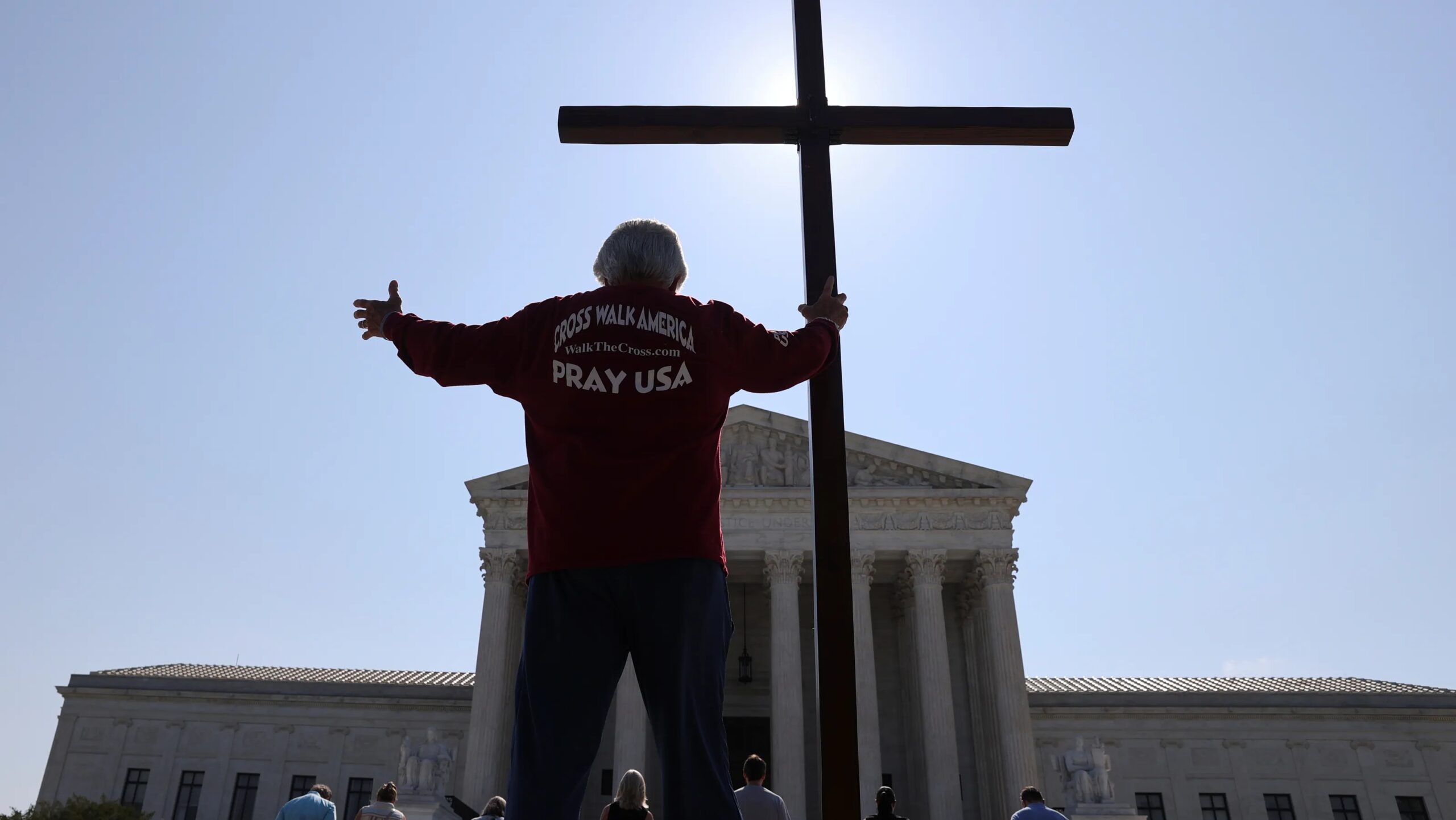
The U.S. Conference of Catholic Bishops has publicly condemned the Trump administration’s methods in handling illegal immigration. By expressing moral and legal critiques, the bishops are hoping that their stance will influence the Supreme Court as it prepares to deliberate on two significant immigration cases.
Moral and Legal Arguments Presented in Court
Interestingly, the bishops are framing their arguments not just legally but also ethically. Citing biblical references, they regard the president’s attempt to eliminate birthright citizenship for certain children born in the U.S. as fundamentally immoral. They further assert that allowing the federal government to turn away asylum seekers at the border is not merely a legal misstep, but a “moral disaster.” This multi-faceted approach is unusual for church involvement in legal matters and indicates a significant pivot in tactics.
Religious Composition of the Supreme Court
Notably, the composition of the Supreme Court may play a role in how these arguments are received. Six of the nine justices are Catholic, while Justice Neil Gorsuch also has Catholic roots. Although judges generally do not allow faith to directly influence their rulings, their backgrounds may still be scrutinized as potential indicators of their decisions.
Recent Court Rulings Favoring the Church
In recent years, the Supreme Court has sided with the Church in several key rulings. A landmark decision in 2020 determined that employers with moral objections are not required to provide contraceptive coverage under the Affordable Care Act. Following that, the court also ruled in favor of a Catholic agency that refused to acknowledge same-sex couples as foster parents. These successes underscore a pattern of favorable outcomes for religious institutions before the court.
Church’s Position on Asylum Seekers
The upcoming Supreme Court case on March 24 will examine the government’s authority to limit asylum seekers at the border. Critics of this “turnback” policy argue that the government falsely claims migrants are being turned away due to an inability to process their requests. Catholic bishops have emphasized that Christ himself was a refugee, thus framing their arguments within a moral context that challenges the legality of current policies.
Moral Arguments as Strategic Legal Tools
Legal experts note that the bishops’ focus on moral arguments may be a smart strategy, especially in a court that has shown a growing interest in religious discrimination cases. By presenting their case through the lens of moral imperatives drawn from their faith, the bishops aim to resonate with the justices who may be influenced by both historical traditions and ethical standards.
