


Political Leaders Must Prevent a Return to Violence
For decades, elections have been a source of significant anxiety for citizens in Nigeria. Politicians often resort to desperate measures to gain or maintain power. The rise in violence leading up to the 2027 general elections is a stark reminder of this grim reality. There is a troubling pattern evolving, marked by violent attacks on individuals, party offices, and political rallies. As Nigeria approaches its eighth consecutive general election, one would expect a demonstration of the country’s commitment to democratic principles refined over nearly three decades. However, current events suggest a foreboding omen for the future.
Concerning Trends Ahead of Party Primaries
With primary elections for political parties scheduled to begin in the coming weeks, the trends are deeply concerning. The forthcoming polls will undoubtedly have their ups and downs, but the core values of responsible citizenship will erode if Nigerians are led to think that there are no rules governing competition for public office. The lingering resentment and hatred that emerge from electoral disputes can threaten long-term peace and national unity. Vigilance against this mentality is essential.
Peace Agreements: A Commitment Undermined
The national peace agreement initiated in 2014 by former head of state General Abdulsalami Abubakar and Bishop Matthew Hassan Kukah aimed to promote peace and justice in Nigeria. Peace agreements, typically signed by leading candidates before elections, emphasize civility in campaign discourse and demand a commitment to avoid violence before, during, and after the election process. Despite these pledges, evidence suggests that many candidates do not genuinely uphold these ideals.
The Role of Authorities in Perpetuating Violence
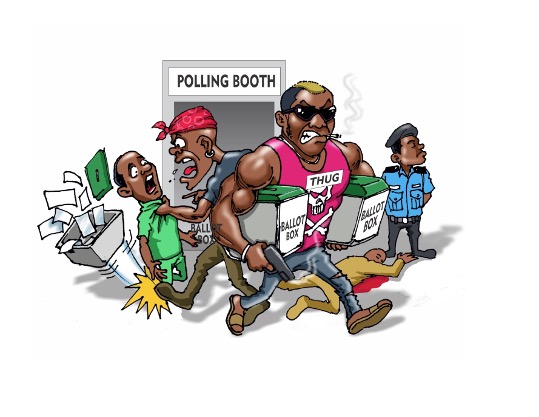
Compounding the problem is the implication that authorities may be complicit in this violence. During a 2022 television interview, then-Kogi State Governor Yahaya Bello acknowledged that individuals seeking public office frequently employ thugs, who subsequently become a threat to society. He stated that true safety and security will only prevail when politicians cease using criminal elements for their ambitions, which often results in these thugs turning into “hydra-headed monsters” left unchecked after elections.
The Urgency for Action Against Criminal Elements
Bello’s remarks resonate with the reality that many political figures are aware of the criminal elements that terrorize communities. To effectively dismantle these networks, proactive measures from key stakeholders at all levels of government are imperative. Continued pre-election violence may simply reflect the broader unrest permeating society, where large-scale killings, property destruction, and the obliteration of homes have become distressingly commonplace.
The Impact of Impunity in Political Conflict
Democracy should foster freedom of movement, yet Nigerians face increasing restrictions due to banditry, kidnapping, and routine commercial abductions. The apparent lack of effective law enforcement or judicial repercussions exacerbates this crisis. In politically charged environments, impunity for violent acts can flourish, particularly when regimes treat political opponents as adversaries, diminishing the perceived necessity for legal frameworks and security measures to check the violence they incite.
The Need for Political Will and Strong Legislation
While there has been dialogue about enacting legislation and establishing courts to combat election-related violence, Nigeria already has sufficient laws to address this pressing issue. What has consistently been lacking is the political will to enforce them effectively. It is crucial that elections do not devolve into the desperate scenarios witnessed in recent weeks. The prevailing atmosphere of violence and insecurity only serves to incite further hostility during campaigns and elections. Therefore, in addition to creating peace agreements, meaningful sanctions against the existing violence are essential. A society that strives to discourage violence, impunity, and criminality cannot hope to manage violent power struggles rationally.
