


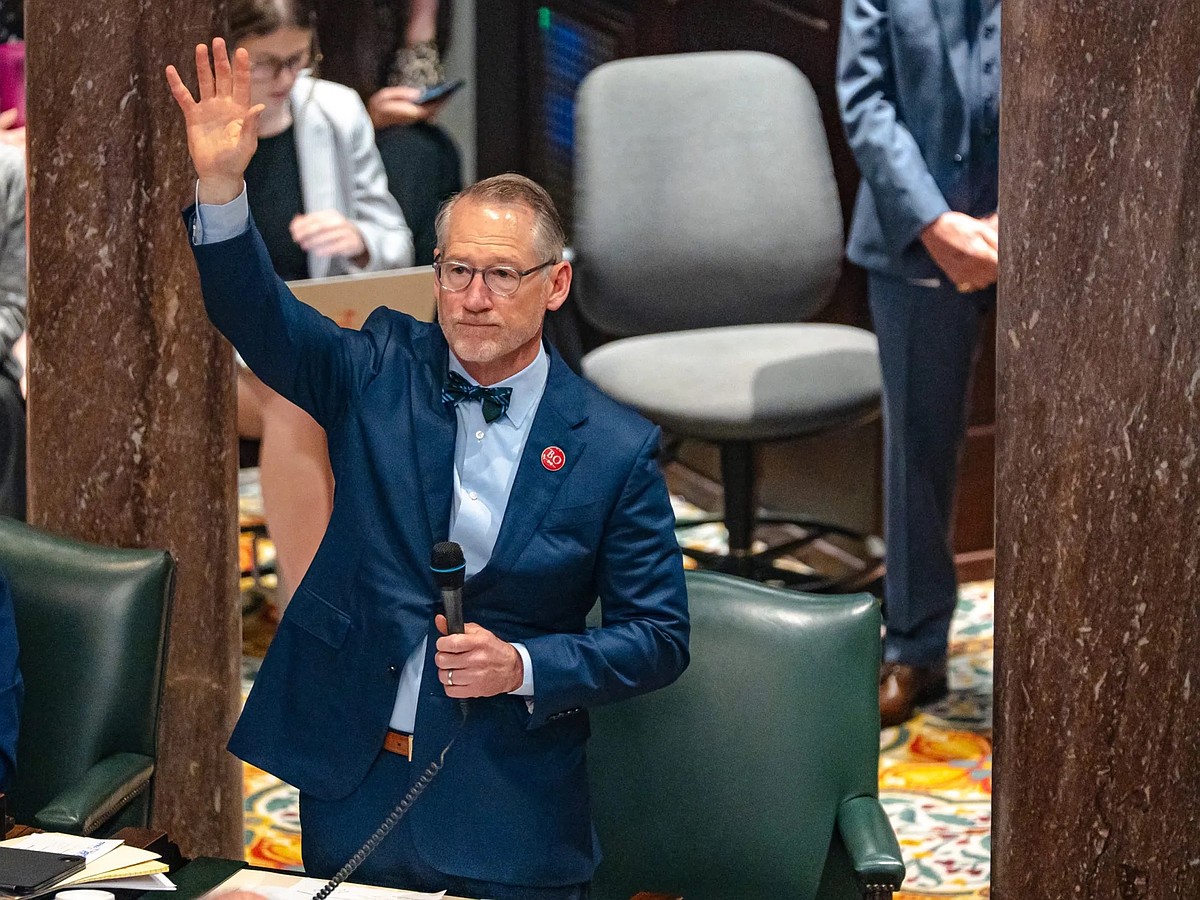
Immigration Schools Bill Faces Legislative Gridlock
More than a year after its initial failure in the full Senate, Senator Beau Watson (R-North Chattanooga) has submitted his controversial immigration schools bill back to the Scheduling and Rules Committee. This move has resulted in a stalemate over the dual versions of the legislation.
Senate Bill 836, introduced by Watson, challenges the landmark Supreme Court case Plyler v. Doe, which permits school boards to charge or even prohibit non-citizen students from attending without paying tuition. The bill initially garnered significant opposition last spring from various activists, some members of the Republican Party, and constituents within Watson’s community.
House Bill 793, introduced by Representative Lamberth, originally mirrored Watson’s proposal. However, Lamberth chose to shelve this version after a fiscal memo indicated that the legislation could jeopardize over $1 billion in federal education funding. Despite efforts to seek confirmation from the federal government about the bill’s implications on funding, Lamberth received no assurance, leading him to substantially amend the bill. The revised version, which now requires school boards only to report on the immigrant status of students, passed the House last week.
Following Lamberth’s amendments, Watson opted not to pursue the House version and reverted the Senate bill to committee during the full Senate session on Thursday. Despite financial concerns, expressed by Lamberth and others, Watson reiterated his commitment to the Senate bill and plans to negotiate it further with the House, believing that further consideration could jeopardize the legislation’s potential success.
During a post-session press conference, Watson stated, “I think the prudent move would be to place it on the calendar and advance other immigration-related bills currently under consideration, before reevaluating our strategy on this bill.” He mentioned ongoing discussions with the Republican caucus, though he remained uncertain about his next steps.
Watson dismissed the concerns surrounding funding, asserting confidence in the current administration’s policies on immigration. “I see little reason to worry about federal funding implications,” he added. He expressed skepticism about the likelihood of either version of the bill passing this year, highlighting that negotiations are the next critical step.
At a House press conference, Lamberth remained non-committal about the future of the bill, noting that many bills are currently under consideration, and communication between chambers is complex during this busy time. The parliamentary session is expected to continue for approximately another four weeks, marking this as the final year of the biannual legislative session. If both chambers fail to reconcile the bill, it will not be enacted, necessitating a complete restart of the legislative process should sponsors wish to reintroduce the issue in the future.
Additional related legislation, House Bill 1711, part of a series aimed at immigration reform and backed by Republican leaders, has faced multiple delays in committee reviews. The bill seeks to create a detailed tracking system for student immigration status and impose new accountability measures on public officials, becoming effective only if Plyler’s ruling is overturned.
House Speaker Cameron Sexton commented on the status of House Bill 1711, directing attention to the Senate’s role in advancing the immigration bills. Following the press conference, Watson conveyed uncertainty regarding his support for any House bills this year. He expressed concerns about potential ramifications of accepting the House version and losing legislative influence in future sessions.
