


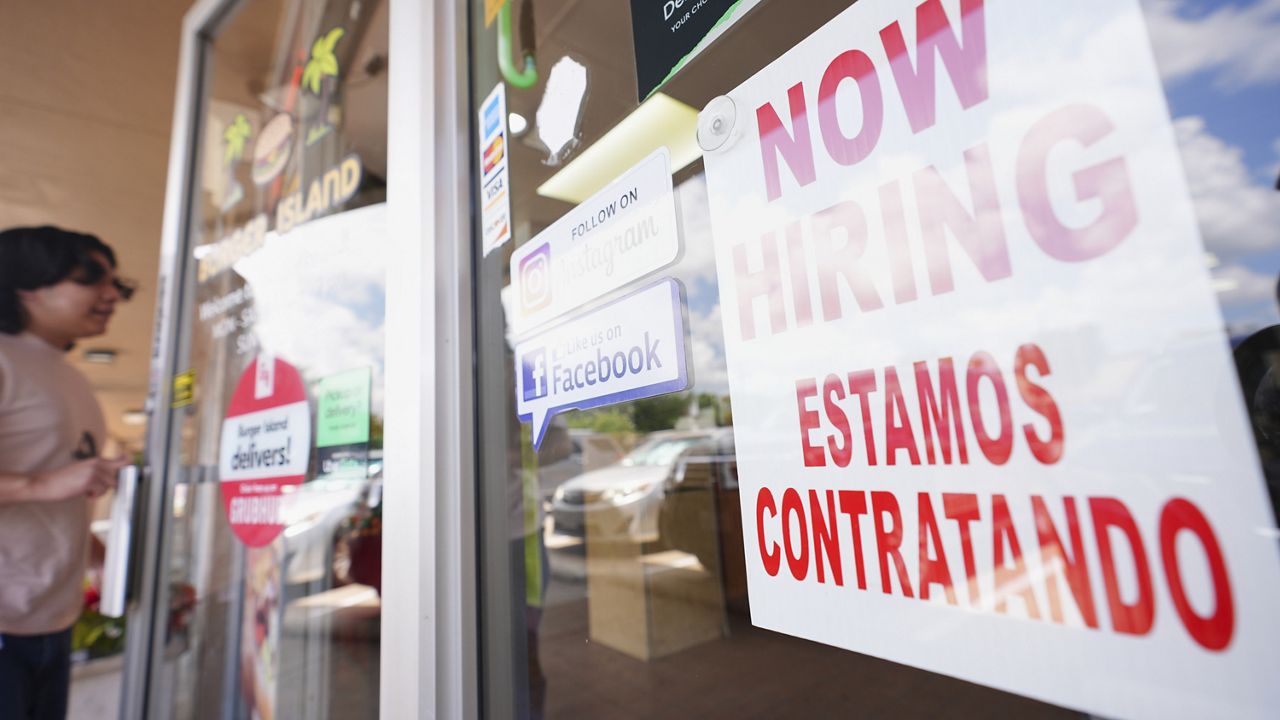
WASHINGTON — Amid escalating food prices and ongoing labor shortages, Texas restaurateurs are turning to federal leaders for support. The Texas Legislature is advancing a bipartisan initiative aimed at providing legal work permits.
Recognized as premier dining destinations, cities like Austin are witnessing a troubling trend: a significant shortage of staff to prepare meals. The challenges facing the industry are exacerbated by the fact that approximately 30 percent of the workforce comprises immigrant workers, and an even larger portion of the kitchen staff is immigrant labor.
Kara Hanaoka, executive director of Good Work Austin, noted, “This situation is having a profound impact on our local economy and tourism.” She attributes part of this issue to the Trump administration’s stringent immigration policies, which have heightened anxiety among restaurateurs and employees alike.
“There’s an unprecedented level of uncertainty among restaurant workers, with many unsure if they will be able to return home after their shifts,” Hanaoka expressed. This environment has ignited a collaborative push among restaurant leaders and business groups in support of the Dignity Act, led by U.S. Representative Veronica Escobar, a Democrat from El Paso.
Escobar emphasized the bill’s potential, stating, “The administration is eager to partner with us to resolve this issue. This legislation is focused on finding solutions.” The Dignity Act not only seeks to facilitate work permits for undocumented immigrants but also aims to modernize border operations and provide critical resources for DACA recipients.
U.S. Representative Monica de la Cruz, a Republican from Edinburg, also contributes to the dialogue around this bill, advocating for pragmatic solutions to workforce challenges. “Today marks a critical moment for practical measures to enhance opportunities and support the American Dream,” De la Cruz remarked.
Despite ongoing debates, Congress has yet to achieve any significant immigration reforms. Tensions persist over funding for the Department of Homeland Security, with differing perspectives on the necessity of reforms in immigration enforcement strategies.
When reflecting on the differences this year compared to past discussions, Hanaoka highlighted a consensus on the need for work permits, stating, “These individuals are valuable contributors to our economy. They aspire to participate fully in our society and contribute to the tax base. Securing work permits is a crucial first step in this journey.”
This legislative effort not only targets immediate concerns for struggling eateries but may also pave the way for broader bipartisan discussions on immigration reform moving forward.
