


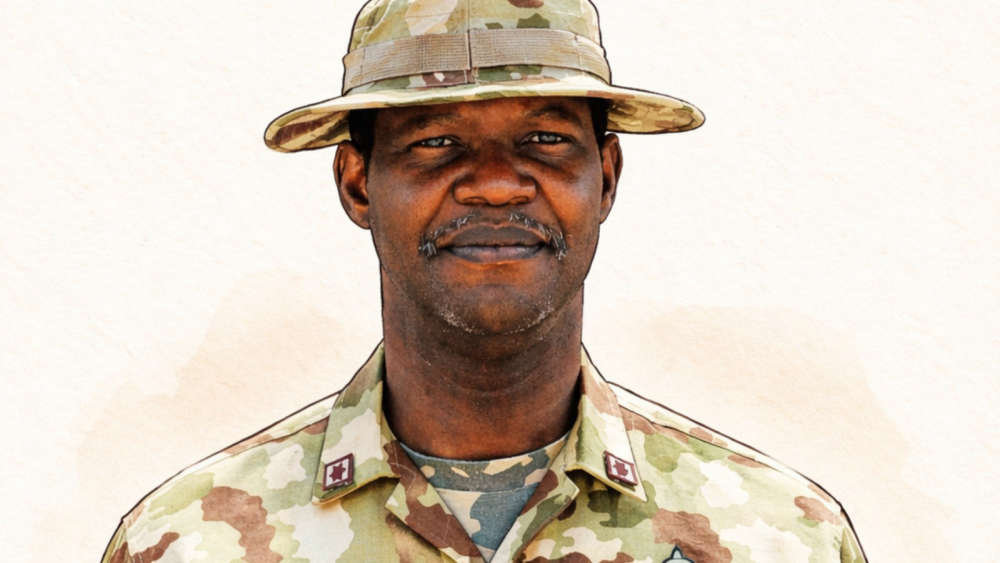
Tragic Loss Highlights Military Challenges in Nigeria
Iyobosa Ugyalen asserts that the recent death of Brigadier General Oseni Omo Buraima, along with several of his troops, at the hands of Boko Haram insurgents represents more than just a military setback—it serves as a national indictment. This tragedy compels a critical examination of the priorities, systems, and commitments of those safeguarding the nation against chaos.
Equipment Failure Contributes to Loss
The call that morning heralded grim news: a senior officer, known for his battlefield prowess, was killed in the Northeast. This tragedy was not the result of an unplanned incident or strategic oversight; rather, it stemmed from equipment failure, underscoring the dire conditions faced by soldiers in combat.
Boko Haram Exploits Weaknesses
The impact extended beyond the loss of personnel, as a segment of the army succumbed to an aggressive onslaught from Boko Haram—a group adept at exploiting the vulnerabilities of a nation in distress. The implications of such a loss resonate beyond the battlefield, igniting a profound sense of anger and a haunting question: How many more lives must be lost due to systemic neglect rather than a failure in combat?
Pleading for Military Reforms
In the wake of the attack, a retired general, mourning the loss of his close friend Buraima, emphasized the urgency of reforming military support and resources. He pointed to a lingering political focus that seemingly eclipses the pressing need to adequately equip forces engaged in essential operations. There exists a troubling disparity between political assurances and the harsh realities faced by soldiers in the field.
The Emotional Toll on Troops
Such a significant loss impacts morale deeply. Soldiers cannot rely on courage alone; they must have confidence in their mission, leadership, and, critically, their equipment. Doubts about the reliability of armaments and support systems can lead to hesitation during crucial moments—a factor that, in warfare, often proves fatal. The emotional resonance of losing a commander raises serious concerns about systemic neglect within the military.
Operational Disruptions and Perception Issues
The absence of a strategic leader like Brigadier General Braima disrupts command structures, complicating operational responses to evolving threats. When a revered commander is lost due to instrumental failure, it questions the military’s readiness and ability to combat insurgent tactics effectively. Additionally, public perception falters, fostering a narrative that the Nigerian military lacks the necessary resources for forthcoming challenges; such sentiment can erode trust both within the ranks and among civilians.
Urgent Need for Systemic Reforms
To address these pressing issues, strong leadership is paramount. As Commander-in-Chief, President Tinubu holds the ultimate responsibility for military effectiveness. The suggestion that political considerations supersede military necessities demands immediate attention and transparency in governance. The loss of soldiers should not be collateral damage in political calculations, as such an approach jeopardizes the effectiveness and stability of the military. Equally troubling are systemic dysfunctions rooted in flawed procurement processes and potential corruption that derail military preparedness.
Call for Action on Military Readiness
The unfortunate death of Brigadier General Braima and his troops serves as a stark reminder of the human cost of inadequate military support. Comprehensive investigations into the circumstances of this tragedy are essential. Nigerians deserve to understand the underlying causes and to hold accountable those responsible for neglecting the needs of the military. The Nigerian fight against terrorism remains ongoing and vital for both national stability and security. However, without meaningful reform to military procurement, equipment renewal, and soldier welfare, the risk of normalizing unacceptable losses grows ever more perilous.
