


Escalating Tensions Amid Saudi Arabian Summit
As Gulf leaders convened at a hotel in Riyadh this week to address the intensifying conflict in the Middle East, an attack from Tehran underscored the urgent challenges facing the region. Saudi Arabia’s foreign minister remarked that Iran was clearly signaling its intentions with this provocation.
Iran’s Message to Regional Leaders
Saudi Foreign Minister Prince Faisal bin Farhan Al Saud stated to NBC News, “The attack was carried out in conjunction with this meeting, aimed at intimidating attendees and sending a strong message domestically that Iran will not relent.” His comments reflect the tense atmosphere as the war enters its third week and Iranian defiance grows.
Difficult Decisions for Gulf States
Amidst the chaos ignited by the United States and Israel, Gulf states are wrestling with the decision of whether to engage militarily. President Donald Trump has presented a revised rationale and timeline, complicating the dynamics for these nations as they contemplate their next steps.
Regional Trust in Jeopardy
During a meeting in Saudi Arabia attended by representatives from countries including Bahrain, Egypt, Jordan, Kuwait, and others, Prince Faisal emphasized the erosion of trust between Iran and its neighbors. He cautioned that the possibility of armed conflict should not be dismissed, underscoring the precarious state of regional stability.
Iran’s Retaliation and Its Global Implications
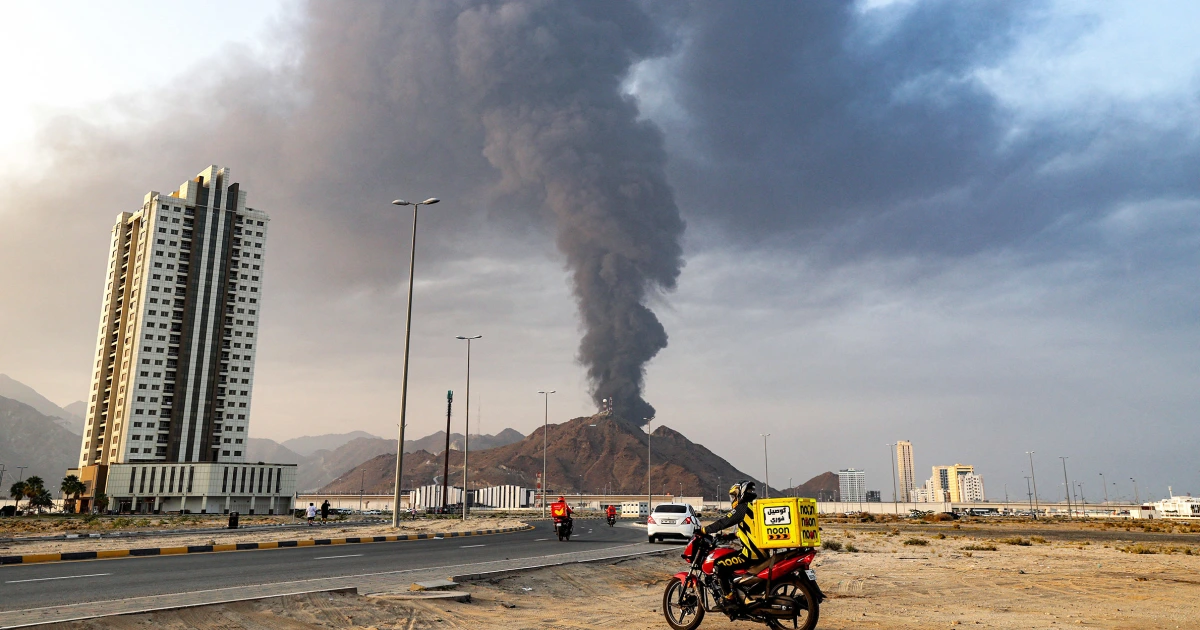
In a significant escalation, Israel launched a major offensive on South Pars, Iran’s largest gas field, provoking swift retaliation from Tehran. This triggered attacks on vital energy infrastructure in Gulf Arab states, leading to dramatic scenes of fire and smoke that pose risks not only to regional security but also to the global economy.
Repercussions of Military Action
Iran’s Foreign Minister Abbas Araghchi took to social media to explain the rationale behind their restrained response, emphasizing that any further assault on infrastructure would provoke a robust reaction. He stressed the urgency of addressing damages to civilian facilities to mitigate further escalation.
Anxieties Across the Gulf Cooperation Council
While the Gulf states are eager for an end to the conflict, U.S. officials reveal a split among them regarding the American approach. Some nations are advocating for urgent U.S. disengagement, while others express concerns that leaving the Iranian regime intact could lead to future hostilities.
Calls for De-escalation Amidst Growing Hostility
In a private meeting, ambassadors from the Gulf Cooperation Council discussed accelerating arms sales and strategies to manage the conflict with U.S. congressional leaders. This shift in dialogue reflects a growing panic among the Gulf states as they grapple with the implications of ongoing aggression from Iran.
Ongoing Concerns and Regional Dynamics
A senior official from a Gulf state underscored the miscalculation of Iran in targeting regional energy sectors, predicting considerable economic and tourism fallout. While sentiments of hostility rise, Omani officials remain steadfast in urging de-escalation and a ceasefire, aiming to address the conflict’s consequences without further escalation.
