


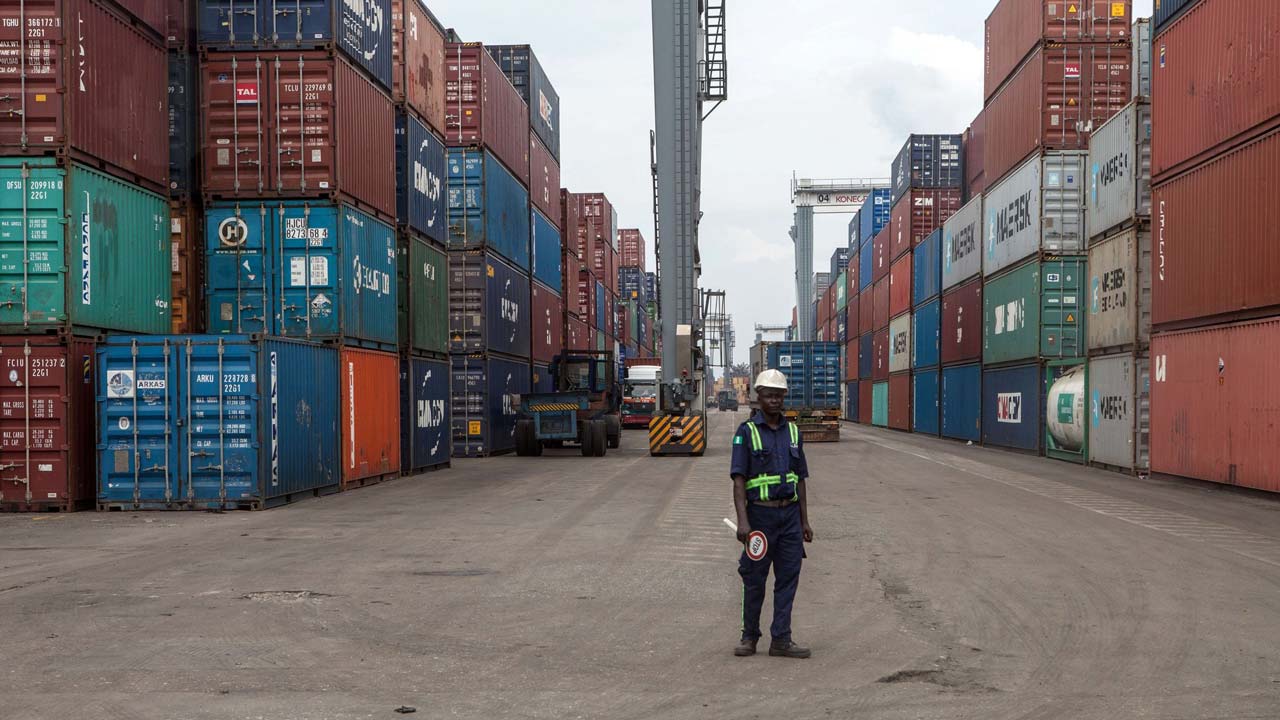
Government Officials Criticize High Import Dependency
Since the administration of the All Progressives Congress (APC) assumed power two years ago, government ministers have consistently addressed the nation’s heavy reliance on imported goods. Agriculture Minister Audu Ogbe has repeatedly emphasized the need to reduce imports, asserting that they are “too high.” Recently, following a Federal Executive Council meeting, Dr. Ogbonnaya Onu revealed that Nigeria has spent an astounding N49 trillion on imports over the past 17 years. This statement underscores one of the APC’s primary objectives: the reduction of imports across various sectors.
Media Amplification of Import Issues
The narrative surrounding importation is further perpetuated by the Nigerian media, which frequently publishes articles highlighting the extensive financial losses attributed to imports. Amid the country’s current recession, the public sentiment is understandably somber, prompting a search for scapegoats to blame for the economic downturn. Imported goods readily fit this narrative, providing an easy target for widespread criticism.
Economic Misunderstanding of Importation Policies
The perspective that denigrates imported goods is not only economically misguided but also harmful. Promoting messages that vilify imports during times of economic vulnerability can lead to widespread misconceptions about the nature of wealth and development. Policymakers who advocate for such views may unintentionally sow discord, creating a belief system that hinders genuine economic progress. When the populace begins to endorse policies that promote poverty, efforts to initiate meaningful reforms become increasingly challenging.
The Importance of Imports for Economic Health
A country that cannot engage in imports is inherently disadvantaged. Nations facing challenges similar to those in the Central African Republic or North Korea would undoubtedly welcome an abundance of import opportunities like those in Nigeria. Importing carries costs, but the ability to import—backed by financial resources—is a crucial aspect of economic vitality. Furthermore, during times of conflict, one of the first strategies adopted is to limit imports to weaken the opposing nation. The historical context of the Biafran war serves as a stark reminder of the devastating consequences of such blockades.
Benefits of Trade and Comparative Advantage
Access to imported goods enhances wealth creation by allowing countries to export surplus products in exchange for items unavailable domestically or more expensive locally. The rationale for importing is clear: it enriches consumers by providing access to cheaper or superior products. For instance, if a person earns 40,000 Naira per month and faces a choice between purchasing a bag of imported rice for 10,000 Naira versus local rice priced at 20,000 Naira, the import option would significantly improve his economic condition.
Impact of Protectionist Policies on Local Economy
The blanket negative view of imports can have adverse effects on broader economic efficiency. When imports are cheaper than locally produced goods, forcing consumers to buy domestically can bolster inefficient local industries. This protectionist approach may benefit a select few but ultimately undermines the overall economy. The rising costs in sectors like cement exemplify this issue: while cement sellers thrive, the nation suffers from delayed infrastructure projects due to inflated prices.
Consequences of Demonizing Imports
The government’s antagonistic stance toward imports carries tangible costs. A 2013-2016 report from the Office for National Statistics highlights a disturbing trend: the number of vessels arriving at Nigerian ports dropped from 5,369 in 2013 to 4,025 in 2016. Despite this decline being celebrated within the administration as a sign of effective policy, it starkly contrasts with Nigeria’s economic health. Moreover, customs revenue plummeted from NOK 977 billion in 2014 to NOK 898 billion in 2016, prompting widespread frustrations as customs officials resort to harassing citizens as revenue declines.
Understanding the Role of Imports in Economic Growth
Rhetoric surrounding imports as a primary source of economic issues will have long-lasting effects. Over time, public belief in this narrative can lock the nation into a cycle of poverty. Real wealth is created through trade, exchanging what one does not need for what one desires. The ability to import is indispensable in this exchange. By attempting to self-sustain in all areas without imports, Nigeria risks engendering greater economic challenges. The policies should instead encourage trade and openness to enrich the nation and its citizens.
