


Opay Emerges as a Key Player in Africa’s Fintech Landscape
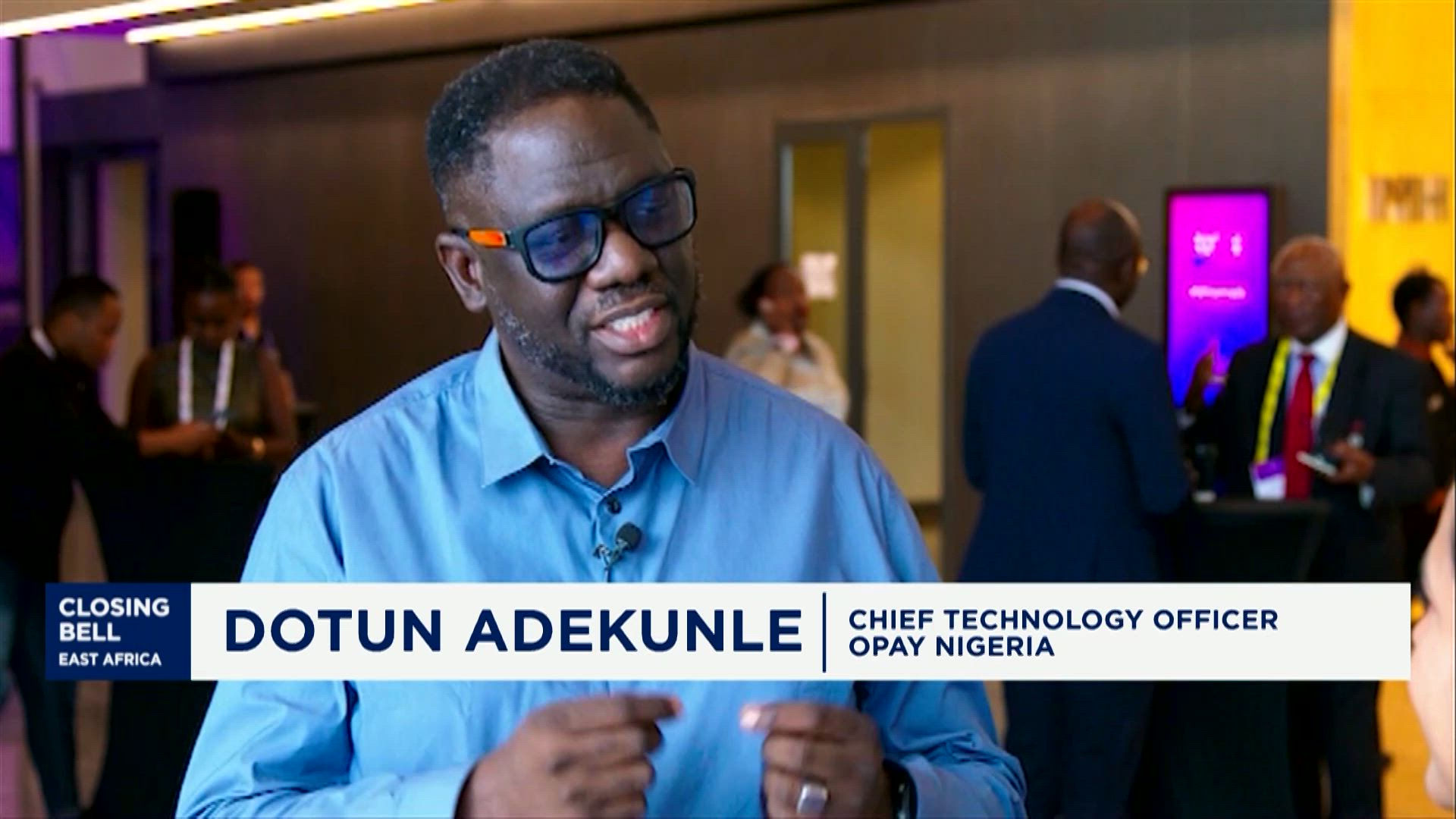
As rapid digitalization transforms economies on a global scale, Opay has positioned itself as one of Africa’s foremost digital financial platforms. Dalton Adekune, the Chief Operating Officer and Chief Technology Officer of Opey Nigeria, recently engaged in an enlightening discussion with CNBC’s Rita Masukura about the intricacies of scaling a fintech business throughout the African continent. Adekune challenges a prevalent misconception that views Africa as a singular market, stating, “Africa comprises 54 distinct markets, each with its own regulatory challenges and cultural dynamics.” This complexity stands in contrast to Europe, where cultural uniformity facilitates easier cross-border scaling; Africa’s diverse landscape necessitates a nuanced approach to regulatory environments, infrastructure maturity, and consumer behavior.
Key Considerations for Fintech Expansion in Africa
Adekune identifies four critical factors that fintech companies must consider when looking to expand operations in Africa: regulatory hurdles, infrastructure maturity, consumer behavior, and market gaps. Each African nation has its own set of regulations, making it essential for fintech firms to invest time and resources into understanding and adapting to local compliance frameworks. Additionally, variations in infrastructure development across the continent need thorough assessment. Key elements, such as the presence of national data identity mechanisms and instant payment systems, play a significant role in determining market entry strategies.
Opay’s Commitment to Financial Inclusion
Beyond logistical challenges, Opay’s scaling strategy is deeply rooted in a mission to enhance financial inclusion and improve users’ financial health. With operations currently spanning Nigeria and Egypt, Opay’s focus has broadened beyond mere transactional services to encompass a wide array of financial needs. “After establishing our presence in existing markets, the next step is to replicate and expand into new territories,” Adekune emphasizes, highlighting his aspiration to cultivate genuine prosperity for users across the continent.
Facing Competitive Pressures in a Dynamic Environment
The fintech sector is characterized by rapid evolution and fierce competition. Adekune acknowledges the challenges posed by new entrants who are harnessing state-of-the-art technologies. The democratization of advanced tools, such as artificial intelligence, is lowering barriers for tech-savvy entrepreneurs, enabling them to create sophisticated financial platforms at a fraction of traditional costs. However, Opay remains steadfast in its commitment to innovation. “To succeed, you must be big, yet nimble; think small and innovate continuously,” Adekune advises, underscoring the importance of agility in a fast-paced market.
The Future of Fintech and Traditional Banking
Looking ahead, Adekune foresees a future where fintech companies and traditional banks will not only coexist but evolve in tandem. In Nigeria, he notes, fintech services frequently depend on banks for payment processing and operational support, a collaboration that is expected to persist. Ultimately, Adekune envisions a redefined concept of banking—an organization that seamlessly blends technology with financial services in unprecedented ways.
The Transformative Potential of Africa’s Fintech Market
Opay’s ascent within the diverse economic landscape of Africa highlights both the opportunities and challenges facing the continent’s fintech industry. The company’s scale and its dedication to addressing customer needs across various markets exemplify the transformative potential of adaptability and innovation within financial technology. As the landscape continues to evolve, Opay and similar fintech firms are poised to play a pivotal role in shaping Africa’s financial future.
