


Immigration Fraud’s Toll on Foreign Nationals
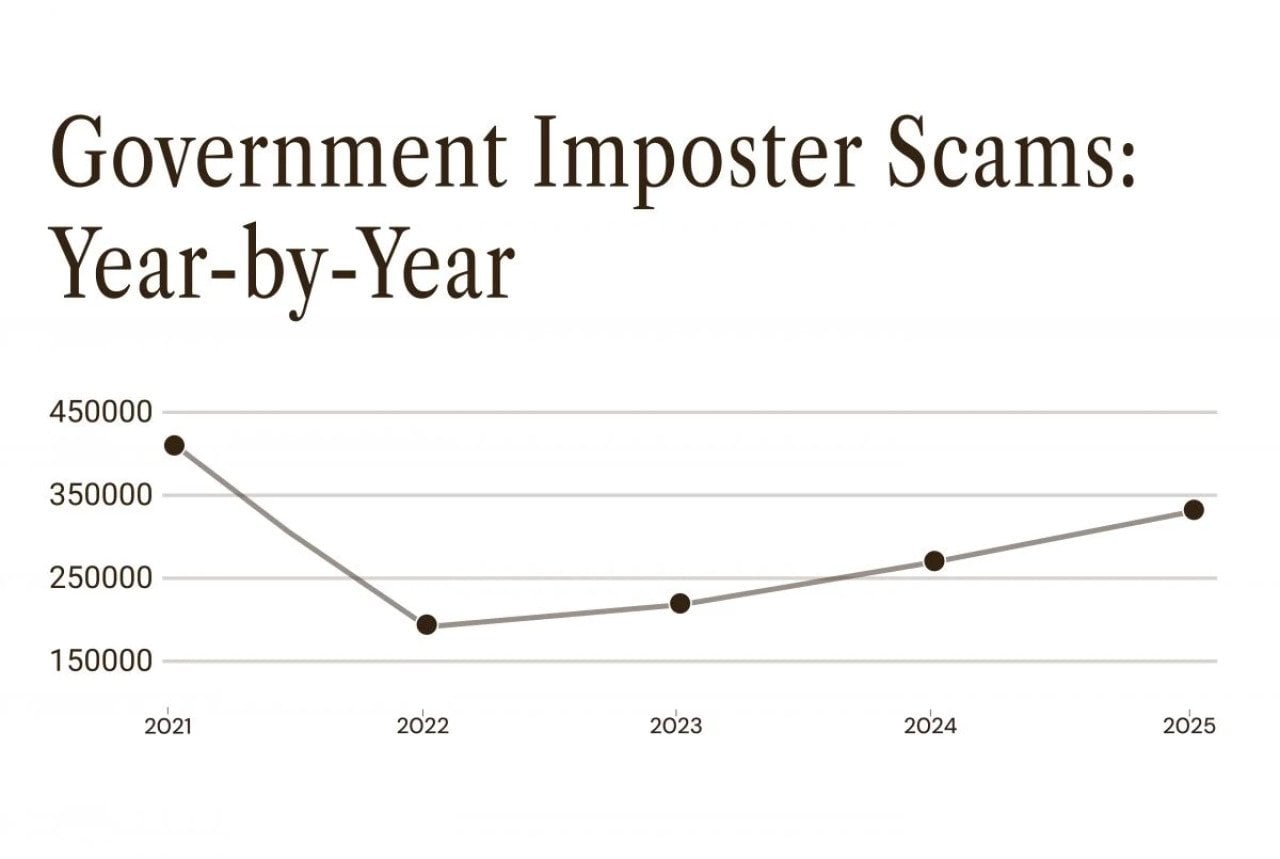
Recent federal data suggests that immigration fraud could see a sharp increase in 2022 and beyond. In 2024 alone, the Federal Trade Commission reported receiving 265,272 complaints related to government impersonation, revealing a troubling trend for foreign nationals. These incidents have been estimated to cost consumers approximately $789 million, though these figures only represent documented cases.
Across various platforms, social media users are increasingly sharing experiences of scams. For instance, one international student detailed a harrowing two-hour blackmail ordeal with a fraudster posing as a government official on LinkedIn. Meanwhile, another Reddit user lost thousands in prepaid cards to scammers masquerading as law enforcement. Such cases typically begin with a phone call from a fake immigration officer, designed to evoke fear and urgency, culminating in demands for money.
The Escalating Threat of Government Scammers on U.S. Immigration
Ana Gabriela Urizar, an immigration attorney at Manifesto Law Firm, emphasized that the depth of these scams is often underestimated. “What makes these scammers particularly threatening is their ability to tailor their tactics effectively,” she explained. Many schemes involve the use of actual immigration terminology and address current policy concerns, such as backlogs in H-1B visa processing, which amplify the perceived legitimacy and severity of their threats.
According to FTC statistics, reports of government impersonation have surged by 68.5% since the fiscal year 2022. However, the federal government does not provide granular data specific to immigrant-related identity theft, limiting our understanding of the full scope of these frauds. Urizar highlighted that social media discussions frequently revolve around scammers requesting sensitive documents, including government IDs, or asking for non-traceable payments like cryptocurrency or gift cards.
Other Common Scams Targeting Immigrants
Not all scams revolve around impersonating federal employees. Some fraudsters present themselves as legal experts or companies offering assistance with immigration processes. Urizar noted that international students with F-1 visas are particularly vulnerable. Some scammers impersonate accredited universities and threaten to revoke students’ legal status or academic enrollment, making the threats appear legitimate.
Moreover, H-1B visa holders and other foreign workers are frequent targets. Scammers posing as immigration attorneys often promise “guaranteed success” in processes like the H-1B lottery. According to Urizar, “No reputable lawyer would make such claims, as USCIS employs a weighted random selection process.”
Strategies for Immigrants to Safeguard Against Scams
Urizar advises immigrants to familiarize themselves with USCIS communication methods to avoid becoming victims of scams. For example, legitimate immigration officials will never ask for payments outside of official government platforms like pay.gov or forms such as the G-1450. Recognizing these red flags can significantly aid in identifying fraudsters.
To further mitigate the risk of fraud, Urizar recommends several best practices: ignore calls from unknown numbers, as government agencies will use official emails or secure portals like myUSCIS for communication; check the website URL, ensuring it ends with .gov; verify mailing addresses against USCIS lockbox locations when requested for documents; and consult a licensed immigration attorney to determine the legitimacy of assistance offered.
Unfortunately, many foreign nationals feel ashamed or frightened after falling prey to scams, which often discourages them from reporting these incidents. As Urizar pointed out, “This hesitance is a major factor in the chronic underreporting of these crimes. However, silence only complicates holding scammers accountable. It’s never too late to reach out to law enforcement. Being scammed is never the victim’s fault.”
For further insights and resources, individuals are encouraged to visit USCIS’ guide on common immigration scams.
