


Understanding the Subtle Impact of Climate Change in Nigeria
Climate change is often articulated through dramatic imagery—devastating floods, crippling droughts, and fierce storms. However, for Nigeria, the more insidious and pressing concern lies in the rising temperatures that could lead to significant public health crises.
The Steady Surge of Mortality Rates
A recent report from the Climate Impact Institute highlights a troubling forecast: by 2050, Nigeria is expected to see an increase of approximately eight temperature-related deaths per 100,000 people, a statistic that may not seem alarming at first glance. This figure pales in comparison to projected increases exceeding 60 deaths per 100,000 in neighboring countries like Niger and Burkina Faso, yet downplaying this data would be a miscalculation.
The Hidden Health Dangers of Rising Temperatures
As temperatures climb, the human body is forced to exert more effort to maintain a stable internal environment, leading to heightened risks of cardiovascular strain, respiratory issues, and overall mortality. Unlike pathogens that ebb and flow, the rise in temperature represents a persistent stressor. Vulnerable populations—including the elderly, those with underlying health conditions, and millions of outdoor workers—will bear the brunt of this ongoing heat-related burden.
Nigeria’s Geographic Vulnerabilities
Geography also plays a critical role in Nigeria’s predicament, as the country lies within an equatorial zone more susceptible to escalating heat levels. While colder regions may benefit from reduced cold-related mortality due to climate change, the reverse is true for warmer areas like Nigeria, where heat-related deaths are on the rise, largely unmitigated by fewer cold days.
The Compounding Effects of Inequality
If heat serves as the ignition, inequality acts as the accelerant. According to the Climate Impact Institute, low-income nations could see climate-related deaths increase tenfold compared to their wealthier counterparts. This reality is largely due to their limited resources for adaptation. In contrast to wealthier nations, where air conditioning and robust health systems are standard, Nigeria grapples with erratic access to electricity, inadequate cooling solutions, and insufficient healthcare infrastructures, particularly in rural areas. This disparity creates an “adaptation gap,” exacerbating mortality rates.
The Urban Heat Challenge
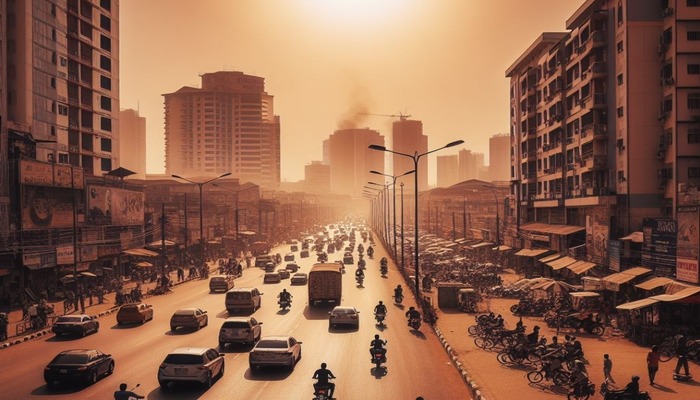
This increasing heat is most acutely felt in Nigeria’s rapidly expanding cities. Urbanization leads to a phenomenon known as the “urban heat island” effect, where concrete and asphalt trap heat, raising nighttime temperatures. Cities such as Lagos, Kano, and Port Harcourt are already experiencing elevated long-term heat stress, particularly impacting low-income residents in densely populated, poorly ventilated neighborhoods. Similar trends are emerging across West Africa, with cities like Accra in Ghana also reporting rises in temperature-related deaths.
Climate Change and Public Health Burdens
The implications of rising temperatures are increasingly alarming, with predictions suggesting that climate-related mortality could emerge as a leading cause of death in low-income countries. This scenario complicates existing healthcare challenges; Nigeria is already contending with diseases like malaria and respiratory infections. The added strain of rising temperatures may inadvertently worsen these conditions, placing additional burdens on healthcare systems. Diagnosing heat as a direct cause of death is difficult, further obscuring the urgency of this growing crisis.
Opportunities for Economic Growth Amidst Challenges
On the bright side, economic growth presents a potential pathway for mitigation. Increased income levels could lead to better housing, enhanced healthcare, and improved cooling technologies, thereby reducing climate-related mortality rates by mid-century. For Nigeria, this dual-edged sword offers both promise and peril: inclusive growth could act as a buffer against climate impacts, while unequal economic development could leave many vulnerable.
Navigating the Policy Landscape
Despite the magnitude of this challenge, temperature-related health risks remain largely overlooked within Nigeria’s climate policy framework. While issues like flooding, energy scarcity, and agricultural sustainability dominate discussions, the silent threat posed by heat needs equal attention. Possible solutions include urban heat countermeasure plans, public awareness initiatives, and enhanced medical preparedness. Addressing heat as a gradual yet lethal threat to human health is vital; recognizing it as a pressing concern rather than a mere weather event must become a priority for policymakers and the public alike.
