


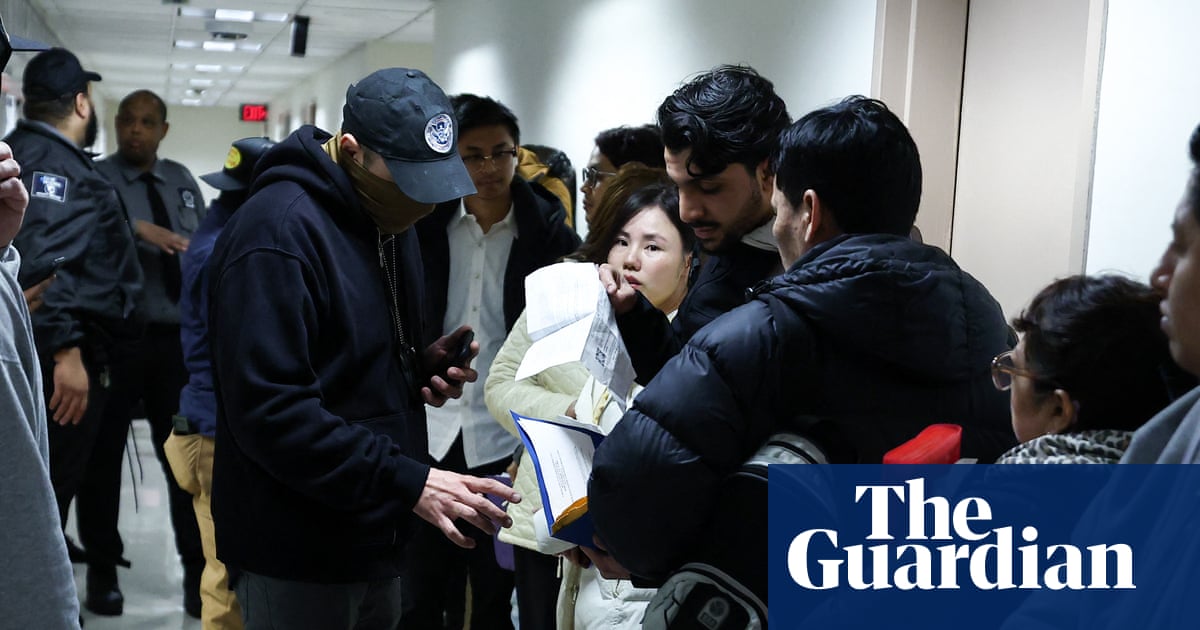
The Impact of Anti-Immigrant Policies under the Trump Administration
The Trump administration’s assertive anti-immigrant measures have resulted in a significant crackdown on immigrant communities. The approach increasingly targets not only those who have violated immigration laws but also many immigrants who are legally residing in the United States. Over the past year, various policies—many of which are currently being contested in court—have created a challenging environment, causing numerous individuals to suddenly find themselves undocumented and at risk of deportation.
Geeta Schwartz, litigation director at the International Refugee Assistance Project (IRAP) based in New York, highlights federal authorities’ efforts to fulfill mass deportation objectives. She states that they are exploring every avenue to inflate the undocumented population. This strategy represents a broader campaign to delegitimize immigrants, putting millions of individuals who are not illegally residing in the country in jeopardy of detention and deportation.
Several significant ways in which President Trump undermines legal immigration have emerged, drawing widespread concern and criticism.
Refugees Face New Challenges
Traditionally, refugees fleeing conflict or persecution underwent rigorous vetting by the U.S. government while still in their home countries, leading to their resettlement through the federal refugee program. After one year in the U.S., they were required to apply for a green card. However, on the first day of his administration, Donald Trump signed an executive order effectively suspending this refugee program, widely referred to as the “refugee ban.” This ban left thousands stranded overseas, many of whom had flights scheduled. Those already in the U.S. found themselves in limbo with minimal resettlement assistance. Legal challenges to the ban have seen limited success.
Since the refugee ban’s implementation, anti-refugee policies have escalated. The Trump administration has instituted two travel bans affecting individuals from 39 countries, extending restrictions to include refugees. Furthermore, in November, it suspended the processing of green card applications for refugees and mandated extensive reviews of hundreds of thousands of cases granted under the Biden administration.
In 2026, the Trump administration set a cap on the number of refugees allowed into the U.S. at just 7,500, a stark reduction from Biden’s cap of 100,000 planned for 2024, signaling a shift toward prioritizing primarily white South African refugees. Additionally, a troubling trend has emerged, involving the arrest and indefinite detention of refugees awaiting green cards, putting an estimated 100,000 individuals at risk.
Temporary Protected Status (TPS) Under Pressure
Temporary Protected Status (TPS) is designed for individuals from specific countries deemed unsafe, allowing them to live and work in the U.S. amidst turmoil such as war, political instability, or natural disasters. While TPS does not provide a direct path to citizenship, several countries, like Haiti and Venezuela, have had their TPS status extended due to ongoing crises.
However, the Trump administration has revoked TPS for around one million individuals from numerous countries, placing them on a path toward potential deportation. Affected nations include Afghanistan, Cameroon, Ethiopia, Haiti, Honduras, Myanmar, Nepal, Nicaragua, Somalia, South Sudan, Syria, Venezuela, and Yemen. Numerous legal battles have been initiated against these policy changes, with varied outcomes as advocates fight for the rights of these individuals.
Blanca Hernández, a supervisory policy and practice director for the American Immigration Lawyers Association (AILA), emphasizes the dangers many would face if deported, questioning the safety of their return to these troubled regions.
DACA Recipients Under Increased Threat
The Deferred Action for Childhood Arrivals program, or DACA, established by the Obama administration in 2012, offers protections to undocumented immigrants who entered the U.S. as children. Current estimates indicate approximately 533,000 DACA recipients, known as Dreamers, remain vulnerable as litigation continues to unfold. The Trump administration’s anti-immigrant stance has exacerbated an already precarious situation, resulting in more Dreamers being detained and facing deportation threats.
Reports from former Homeland Security Secretary Kristi Noem indicate that at least 260 DACA recipients were arrested last year, with many facing deportation. Hernández reflects on the plight of these individuals, highlighting that many came to the U.S. as minors, seeking stability and opportunity.
Asylum Seekers Facing Harsh Realities
Asylum seekers, individuals fleeing their home countries and requesting protection based on specific criteria, have endured severe restrictions under both the Trump and Biden administrations. Following the return of Trump to office, he quickly banned new arrivals from accessing the asylum system, leading to historically low encounters at U.S. borders. The right to seek asylum is protected by both domestic and international law, yet many who are in the system face routine check-ins or immigration hearings that end in arrests and deportations.
The administration’s “third country” agreements with more than 20 nations have compounded the challenges faced by asylum seekers. Some of these countries lack guarantees against returning individuals to the very places they fled, raising significant humanitarian concerns and leading to ongoing legal challenges.
Humanitarian Parole Programs Suspension
For years, individuals from certain nationalities could enter the U.S. under various humanitarian parole programs, providing protection from arrest and deportation while enabling them to remain with their U.S.-based sponsors. However, the Trump administration has suspended multiple programs for nationals from Ukraine, Afghanistan, Cuba, Haiti, Nicaragua, and Venezuela. Although U.S. courts have required the restart of Ukraine’s program, many still find themselves without legal protections, as their status remains uncertain under current policies.
Targeting Student and Work Visa Holders
The Trump administration has also focused on U.S. immigrants holding valid student and work visas. Utilizing unusual statutes, the administration has attempted to detain and deport notable pro-Palestinian student activists. A significant workforce raid at a Hyundai plant in Georgia further exemplifies this trend, resulting in 475 arrests and a diplomatic dispute between South Korea and the United States.
Moreover, the application process for specific work permits has become considerably more challenging, with high fees imposed on those seeking skilled H-1B visas, effectively impeding many qualified individuals from pursuing employment opportunities in the U.S.
