


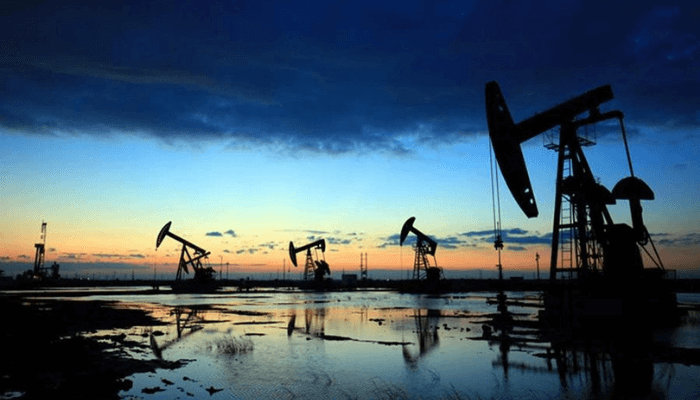
Goldman Sachs Highlights Rising Oil Price Risks
The latest report from Goldman Sachs offers a crucial warning: oil price risks are on the rise. Projections suggest that this upward trend could persist not only in the short term but potentially through 2027.
The firm’s base case indicates that Brent crude prices will hover around $80 per barrel. However, in a more adverse scenario, prices could surge to the $100-$115 range. Recent geopolitical tensions surrounding the Strait of Hormuz further underscore the fragility of this outlook. History shows that significant supply shocks tend to last longer than expected, impacting markets well beyond the energy sector.
Immediate Effects of Oil Price Changes in Africa
While the focus often centers on oil prices themselves, the real concern is their economic repercussions, especially in Africa, where these changes are both immediate and deeply personal. When oil prices rise, households feel the impact first.
A mere $10 increase in Brent crude can quickly translate into higher transportation costs, increased food prices, and elevated energy expenses for families relying on kerosene for lighting. Countries like Kenya, where approximately two-thirds of oil imports transit through the Strait of Hormuz, face significant consequences. This vulnerability is alarming, particularly as current account deficits widen, foreign exchange reserves dwindle, and fuel price freezes do little to alleviate ongoing fiscal pressures. A currency devaluation becomes a looming threat, transforming a global commodity crisis into a localized cost-of-living emergency.
African Households Bear the Burden of Oil Prices
African oil price fluctuations should be viewed not merely as macroeconomic events but also as a silent and regressive household tax. Governments might attempt to cushion the blow, but prolonged attempts at mitigation can jeopardize their own financial and fiscal health.
Already, a divergence in outcomes is becoming evident across the continent. Oil-exporting nations like Nigeria may benefit from rising prices, with reserves projected to approach $60 billion, improving fiscal flexibility. In contrast, countries reliant on imports face deteriorating external balances, depreciating currencies, and heightened inflation. Additionally, potential geopolitical tensions could further strain remittance flows, undermining another crucial source of household income in several markets.
Addressing Dependence on Imported Energy
This situation exposes deeper structural issues. Many African nations remain heavily reliant on imported fuels, creating vulnerability to price fluctuations. Traditionally framed as a climate issue, energy access now requires a broader focus on macroeconomic stability and household security.
While fuel subsidies may provide political relief in the short term, they tend to accumulate fiscal pressure without addressing underlying risks. Foreign exchange reserves are regularly depleted to finance imports priced in foreign markets, resetting the vulnerability baseline with every shock. The existing system, therefore, is designed to endure pain rather than eliminate it.
Distributed Solar Power Offers a Path Forward
Distributed solar power represents a transformative opportunity that is often underestimated. Beyond being a cost-effective energy source, solar installations—ranging from individual systems to mini-grids—mitigate reliance on imported fuels, reducing the need for foreign currency for basic economic activities. This shift can diminish sensitivity to geopolitical disruptions while providing lasting value.
Fortunately, Africa does not start from scratch. Initiatives like the World Bank Group’s Mission 300 have already established critical groundwork, connecting millions, forming energy agreements, and channeling substantial investment. The requisite infrastructure for growth is already in place, and the model has proven effective in real markets under actual constraints.
The Importance of Timely Action in Energy Development
The pressing question is not whether Africa can enhance its development, but rather if the institutions governing capital flows will seize this moment. During uncertain times, caution often prevails, yet these are precisely the periods that require urgency. The costs of delay are real and immediate—fuel, food, and currency rates fluctuate continuously.
Effective execution is critical. It’s not about crafting entirely new frameworks or waiting for ideal conditions; it’s about extending current successful practices. Observably, households and businesses are prioritizing predictability over risk, making energy decisions based on economic realities rather than abstract climate considerations.
At Ignite Energy Access, we witness this dynamic firsthand across various markets where economic drivers—not ideological beliefs—shape demand. While oil shocks are a recurring reality, the extent to which African economies and households absorb their consequences can be mitigated. A viable route exists for escaping this cycle; the only remaining question is whether stakeholders can respond swiftly enough to capitalize on it.
