


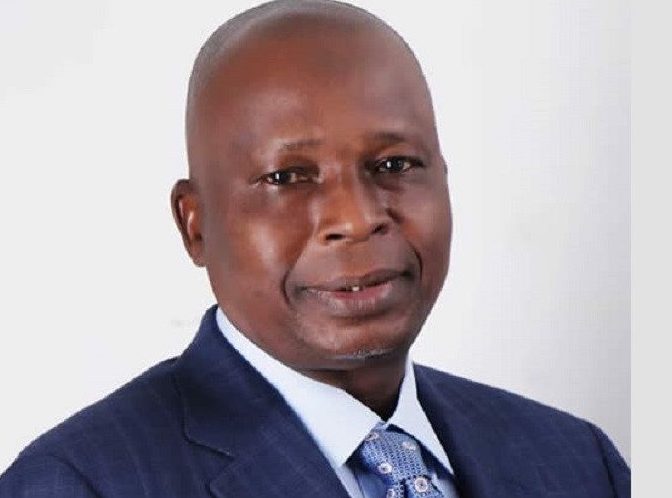
Attorney-General Highlights Money Laundering Threats in Nigeria
Alex Enuma in Abuja
The Attorney-General of the Federation and Minister of Justice, Prince Lateef Fagbemi (SAN), has underscored the critical dangers posed by money laundering and terrorist financing to the Nigerian economy, as well as to the stability of the wider West African region.
This warning was issued during the National Anti-Money Laundering and Combating the Financing of Terrorism (AML/CFT) Media Outreach Program, held in Abuja. The event was organized by the Intergovernmental Action Group against Money Laundering in West Africa (GIABA) and attracted participants from the Nigeria Financial Intelligence Unit (NFIU), the Independent Corrupt Practices and Other Related Offenses Commission (ICPC), along with various members of the press.
In his opening remarks, delivered by Olubunmi Ikporati on his behalf, Fagbemi emphasized the need for collective action to combat the rampant issues of money laundering and terrorist financing. He stated, “These crimes pose a significant threat to the integrity of our economy and the entire West African subregion. The credibility of our institutions and the safety of our citizens hang in the balance. Given their often complex, cross-border nature, these issues demand a coordinated and proactive response from all stakeholders.”
Fagbemi noted that the federal government has consistently demonstrated a strong commitment to enhancing the AML/CFT framework through legislative reforms, institutional capacity building, and fostering regional and international cooperation. He assured attendees that the government remains dedicated to aligning with global standards and best practices. However, he highlighted the crucial role of public awareness, emphasizing that understanding the issues is vital in the fight against these financial crimes.
Addressing the media directly, he stated, “This outreach program aims to elevate awareness of AML/CFT matters, improve accurate reporting, and encourage collaborative partnerships between governmental bodies and media professionals. It is essential that the information shared with the public is both accurate and impactful.”
He called for unity in demystifying complex terminology, exposing illicit financial activities, and nurturing a culture of transparency and accountability within society. “An informed public makes it increasingly difficult for criminal networks to operate without detection,” he remarked.
Edwin Harris, Jr., Executive Director of GIABA, echoed the need for cooperation, presenting the media as a vital tool for enhancing public awareness on these critical issues. He shared that GIABA has been actively engaging the media since 2009 through awareness programs, which have successfully led to the establishment of a regional network of journalists focused on reporting economic and financial crimes.
Timothy Melai, Director General at GIABA, reinforced the importance of media coverage, urging journalists to increase their efforts in identifying and exposing money laundering activities. He cautioned that the media must not be manipulated by those embroiled in financial wrongdoing.
In her opening address, Hajia Hafsat Bakari, Chief Executive Officer of the Nigeria Financial Intelligence Unit (NFIU), highlighted that media engagement transcends routine and represents a strategic partnership. She illustrated that money laundering and terrorist financing are genuine threats across West Africa and globally, fueling organized crime and undermining institutional integrity.
Bakari emphasized the essential role journalists play in translating complex issues related to anti-money laundering and counter-terrorism financing into comprehensible information for the public, thereby fostering informed societal action. “The media’s role is pivotal in identifying and addressing these systemic threats that ultimately jeopardize national stability,” she concluded.
