


Historical Significance of Nairobi
When the Maasai first traversed the sunlit plains of East Africa, they discovered a network of pristine streams. They aptly named this region Nairobi, translating to “place of cold water.” Today, however, this poetic title belies the pressing challenges faced by a burgeoning megacity that is home to over 5 million inhabitants. As Nairobi evolves into a sprawling industrial hub, it grapples with a relentless influx of domestic and industrial waste coursing through its underground networks.
The Cardo of Nairobi’s Wastewater Management
At the heart of this waste management crisis lies the Dandora Estate Wastewater Treatment Plant, which processes 80 percent of the capital’s wastewater. This facility acts as a crucial “kidney” that sustains the life of the city amidst its rapid urbanization.
A Green Sanctuary Born from Waste
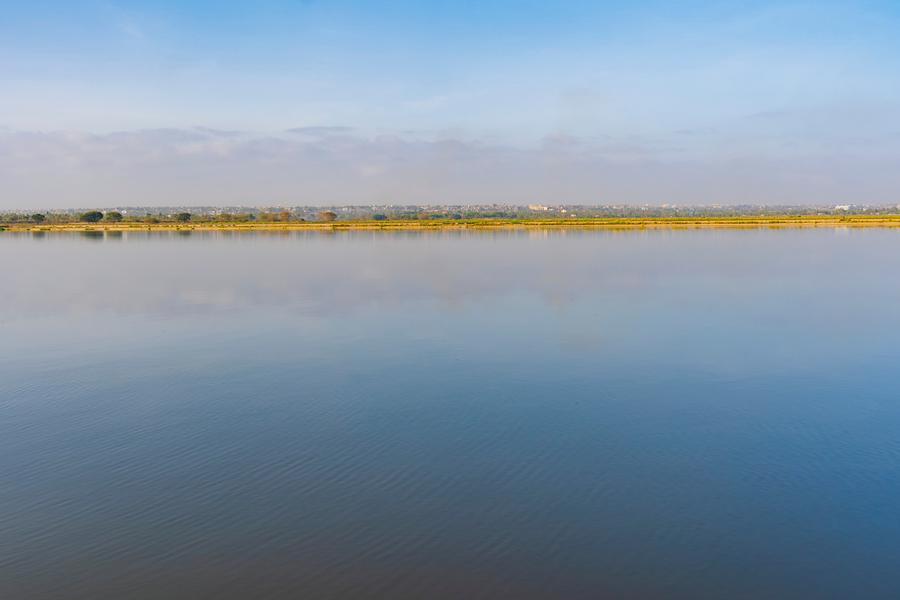
To the untrained eye, the distant reaches of the Dandora facility resemble a primitive wetland rather than a hub of industry. Crocodiles drift lazily through the emerald waters, while hippos seek refuge from the equatorial sun, adding a unique vibrancy to the facility. Waterfowl flit across the surface, creating rippling patterns as they pass.
Innovative Treatment Processes
The transformation of wastewater into usable water is achieved through anaerobic precipitation, bacterial decomposition, and natural disinfection using the intense ultraviolet rays of the East African Plateau, according to Huang Youming, deputy restoration project manager at Jiangxi Zhongmei Engineering Group. However, this tranquility is deceptive; at the plant’s entrance, the water appears as dark sludge, tainted with plastics and debris, marking the frontline of Nairobi’s waste crisis.
Revamping Essential Infrastructure
For many years, the Dandora facility struggled with outdated pretreatment systems that depended on manual labor. Workers faced hazardous conditions, physically scraping waste from toxic sludge. At peak urban waste levels, the system often resembled a painful kidney stone, impeding the city’s drainage. The introduction of an automatic bar screen system sourced from China has rejuvenated the facility. Mechanical grabs and fine screens now capture 95 percent of solid waste and 90 percent of silt, preventing suffocation of the treatment processes.
Overcoming Difficult Conditions
The partnership that revitalized Dandora was formed under challenging circumstances that deterred most bidders. The overpowering odor at the site discouraged international competitors during the 2022 tender. “The smell was so strong that it disrupted our sleep,” recounted Li Maou, the project’s engineering director. Yet, his team persevered, ultimately transforming a site once inundated with sewage and waste into a thriving environment complete with greenery.
The Future of Water Management in Nairobi
This collaboration has provided a glimpse into a future where the concept of “waste” may become obsolete. With plans underway to transform the management culture, James Muturi, acting director of water and sanitation at the Athi Water Development Authority, envisions a shift from merely meeting wastewater standards to a focus on resource recovery and ecological balance. China’s innovative wastewater treatment models are already generating global attention, with notable successes that have recently awarded the 2024 International Water Association Global Innovation Award to the Yixing City Wastewater Resources Concept Plant in Jiangsu for its biogas and organic fertilizer production.
Chinese Innovations Addressing Local Challenges
The strategic upgrade at Dandora arrives at a critical juncture as land prices soar and traditional treatment models encounter limitations. Currently, only about 55 percent of Nairobi’s wastewater is properly managed. China’s robust supply chain and deep experience in constructing “underground sewage treatment plants” are transforming waste management in densely populated cities like Nairobi. These advancements are addressing the challenges posed by rapid urbanization while promoting energy efficiency and reduced land usage.
Broader Environmental Commitments
Chinese engineers are making significant contributions to Kenya’s ecological landscape, evident in projects ranging from the restoration of the Nairobi River Basin to the construction of the Mwache Dam. This aligns with the goals set forth at the 2024 Forum on China-Africa Cooperation Summit, which emphasizes green development partnerships aimed at maintaining ecological sustainability in the face of modernization pressures. As clean waters flow from Dandora into the winding Nairobi River, the facility remains committed to upholding its promise of providing cold, clean water for generations to come.
