


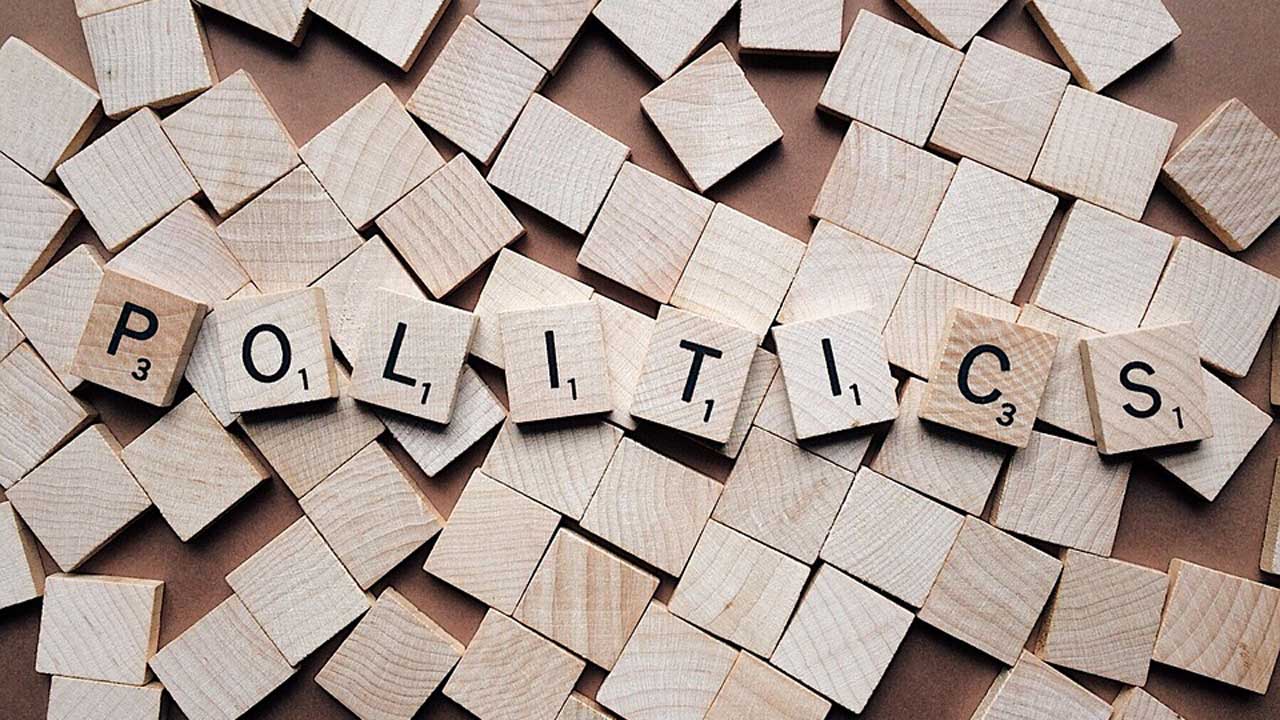
The Role of Empathy in Political Leadership
As we navigate a particularly tumultuous political landscape, key questions arise: Does empathy play a role in politics? How should politicians approach leadership? And what significance does empathy hold in policy formation and implementation? These inquiries grow increasingly urgent amid pressing issues such as immigration, political violence, and job security.
Immigration and Its Social Consequences
In the United States, the immigration debate has intensified, often exacerbating xenophobia, racism, and bigotry. This divisive climate has resulted in the marginalization of minorities, raising critical questions about the ethical implications of political decision-making. National security policies have also sparked crises, including government shutdowns that left thousands of federal employees without pay. In this context, one must ask: Where does empathy fit within the political sphere when decisions carry profound human consequences?
Nigeria’s Election Season Realities
Turning to Nigeria, the ongoing election season has placed issues of employment and economic security in the spotlight. The growing chasm between the wealthy and the impoverished underscores persistent inequality and economic mismanagement. In this setting, empty promises of change can seem hollow, especially when politicians attempt to address poverty by merely distributing food in exchange for votes.
The Global Scope of Political Insensitivity
Beyond specific nations, the global community grapples with a variety of challenges. However, there remains a troubling lack of sensitivity among some leaders towards the struggles of their constituents. For substantial progress to occur on both global and national fronts, it is crucial that those in power possess emotional intelligence and the ability to formulate policies anchored in human dignity and empathy.
The Balance Between Morality and Decision-Making
While it is acknowledged that political decision-making often involves difficult choices, particularly around security issues, a balance must be struck. Niccolò Machiavelli, the Italian diplomat frequently regarded as the father of modern political theory, famously argued that politics is devoid of morality. His perspectives, particularly articulated in his works “Discourses on the Prince” and “Livy,” suggest that effective governance may require a ruler to wield authoritarian power.
Understanding Political Motivations
Deep-seated ideologies inevitably influence politicians and their actions, shaping the decision-making process. Such motivations may be particularly pronounced within authoritarian regimes, where leaders may exhibit narcissistic tendencies. In psychological terms, Machiavellianism describes a personality trait characterized by manipulative and exploitative behaviors for self-serving goals, highlighting the disconnect between morality and political motivations.
Recognizing the Dark Side of Politics
Machiavellianism is often discussed in conjunction with the “Dark Triad” of personality traits, which includes narcissism and psychopathy. Although Machiavelli’s approach may seem severe, his insights have allowed us to recognize and categorize the behaviors of self-serving politicians. His observations about the gap between morality and political practice are increasingly relevant, as the diminishing role of empathy in politics becomes more pronounced.
