


Understanding the RUGA Resettlement Plan Controversy
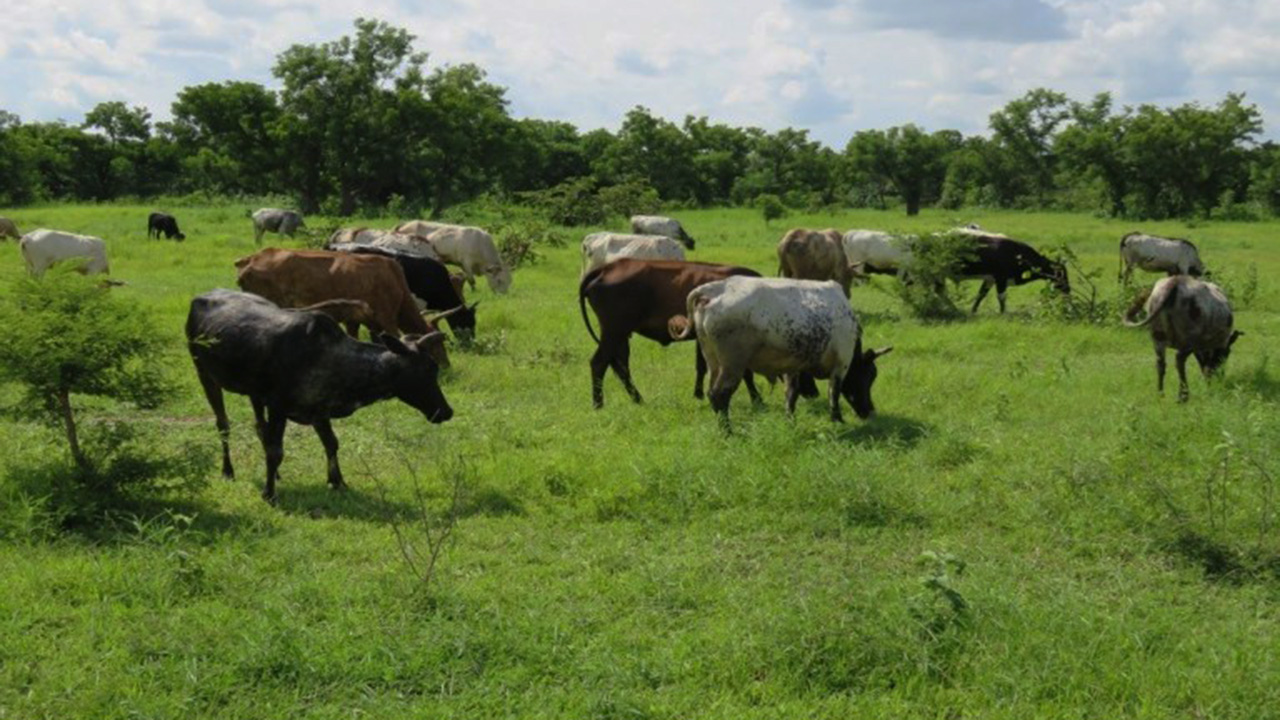
The discussions surrounding the RUGA resettlement plan have sparked intense debate, primarily due to the term “RUGA” itself. Some interpret it as an abbreviation for “Rural Grazing Lands,” while others believe it simply parallels existing ranching initiatives. Additionally, some view it as a targeted program for the Fulani, often referred to as Warde in Hausa.
Beneath the Surface of an Ambitious Initiative
At first glance, the RUGA program appears commendable. However, it has emerged as a source of division rather than unity, raising concerns about public trust in the government. Both its conception and implementation have been fraught with misunderstandings, revealing a disconnect between leadership and the sentiments of the populace. Furthermore, this gap raises questions about whether the government is genuinely aware of the increasing mistrust among citizens.
The Government’s Vision vs. Ground Realities
Government representatives have heralded RUGA as a transformative project akin to a journey to an idyllic state of peace. However, the reality on Nigeria’s roads is starkly different, where violence from bandits and kidnappers has become the norm, forcing many to avoid land travel altogether. Flights have become the safer alternative for journeys that were previously made by road.
Government Implementation Amid Public Skepticism
In this climate of anxiety, the Permanent Secretary of the Ministry of Agriculture, Mohammad Umar, has painted RUGA in glowing terms, claiming it will provide organized rural settlements equipped with essential services such as schools, hospitals, and veterinary clinics. Initial pilot programs are taking place in 12 states, but the reception has been mixed, particularly in regions with tense relationships between local communities and pastoralists.
Lack of Consultation and Public Discontent
The implementation of the RUGA plan has encountered significant backlash for its lack of transparency and public engagement prior to rollout. Critics point out that it was absent from the APC manifesto and was not sufficiently discussed during President Buhari’s reelection campaign. This secrecy has contributed to a perception that the program disproportionately favors Fulani pastoralists, overshadowing other livestock farmers.
Cultural Tensions and Societal Impacts
While many Fulani communities have coexisted peacefully with indigenous populations, the influx of the Bororo Fulani—a group often associated with violence and land disputes—has exacerbated tensions. This has led to a narrative that places blame on both the Tracts of migration and existing government insensitivity. President Buhari’s responses to communal conflicts have further fueled skepticism about his commitment to equitable governance.
The Importance of Fairness and Inclusivity
The urgent call for inclusivity echoes through the critiques of notable figures like Professor Ben Nwabueze and former President Obasanjo. They stress that any effective governance must incorporate diverse voices and promote a sense of belonging for all. Given the sensitive dynamics surrounding land ownership and ethnic identity, the current approach to the RUGA plan raises significant concerns about the future of national cohesion.
Emphasizing the Need for Private Sector Solutions
As livestock farming is inherently a private enterprise, the government should not promote initiatives at the expense of other local interests. Access to financing options through institutions like the Agricultural Bank can provide valuable support for livestock farmers without favoring specific groups. Ultimately, sustainable rural development should focus on benefiting diverse communities, bolstering local economies, and addressing the root causes of tension.
The Essence of Land Ownership
Nigeria’s diverse cultures underscore the significance of land, both physically and spiritually. Attempts to centralize land control without local consent are fraught with risks, as land rights are historically rooted in local governance. Thus, the RUGA plan necessitates reevaluation—promoting comprehensive rural development while respecting the rights of community members.
