


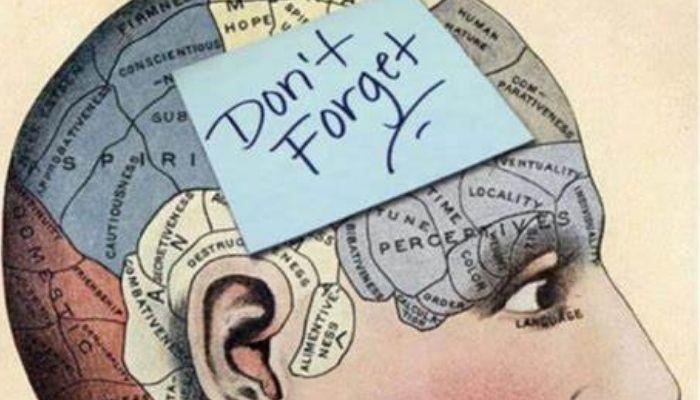
Understanding the Vulnerability of Organizational Memory
The hippocampus, a critical part of the brain responsible for memory and learning, highlights a similar fragility in organizational memory. Despite rigorous efforts, organizations can find themselves struggling to retain vital knowledge.
The Cost of Forgotten Lessons
Every year, organizations face the challenge of reinventing solutions to issues that had previously been addressed. This cycle of rediscovery—reviving old processes and relearning past lessons—can be both costly and time-consuming. A weakened institutional memory means not only the loss of historical context but also a stalling of momentum. When organizations fail to capitalize on their past experiences, they inadvertently compromise their progress.
The Value of Institutional Memory
Organizational memory transcends mere documentation; it embodies accumulated insights that prevent companies from repeating costly mistakes. Understanding the rationale behind decisions, the evolution of customer needs, and past risks can guide future actions. Without this foundational memory, organizations may execute tasks diligently but find their progress maddeningly slow.
Case Study: The Danger of Ignoring History
Take, for example, a service company in Nigeria that faced overdue collections from a major client. This challenge was treated as a novel issue, requiring a brand-new strategy. It wasn’t until a departing executive pointed out that a similar situation had occurred seven years prior, with successful solutions already in place, that the oversight became evident. This oversight resulted in unnecessary delay and effort—a single conversation could have saved a month of work.
Leadership Changes and the Risk of Repeating History
In another instance, a shift in leadership injected newfound ambition but also led to the neglect of the deeper context that informed previous decisions. As new initiatives were rolled out, previously streamlined processes inadvertently became convoluted once more. Policies designed to mitigate specific risks were relaxed without understanding their original intent, which, while compliant, negatively impacted morale. Observers from the past found themselves questioning whether the organization was genuinely advancing or merely retracing its steps.
Leveraging Memory as an Asset
Leaders at successful institutions view memory as a vital asset to be cultivated. They advocate documenting not just decisions but also the reasoning behind them, ensuring that vital insights do not remain confined to a few individuals. This approach fosters continuity and preserves organizational intelligence even amid personnel changes.
Institutional Memory as a Cultural Safeguard
Moreover, robust institutional memory underpins organizational culture. It helps maintain consistent standards, reminding staff of their commitments to customers and reinforcing core values and risk awareness. A fading memory equals a diminished culture; as collective knowledge erodes, so too does the foundational ethos of the organization.
Innovation and the Role of Memory
Contrary to the belief that institutional memory stifles innovation, a strong memory actually paves the way for safer and more informed risk-taking. Organizations equipped with historical insights can innovate more responsibly, learning from past blunders to build on previous successes. Memory is not a hindrance; rather, it serves as a strategic guide.
Moving Forward with Lessons Learned
For Nigerian organizations aiming for sustainability, the message is clear: document not only actions but the lessons learned along the way. When conveying decisions, it is essential to do so while the original decision-makers are still involved. By equipping successors with both authority and historical context, organizations can navigate forward without losing sight of their trajectory. In this manner, they can evolve while retaining the core insights that inform their progress.
Dr. Olufemi Ogunlowo is the CEO of Strategic Outsourcing Limited, a premier provider of HR and business process outsourcing services in Nigeria. He frequently shares his expertise through columns focused on employment and workforce strategy.
